
1. Introduction
Just this week, a major architectural firm in Chicago unveiled a new downtown office building wrapped entirely in a corten steel facade—a bold move that’s reigniting interest in durable, low-maintenance metal cladding systems. With sustainability and longevity at the forefront of modern design, ‘metal clad‘ solutions are surging in popularity across residential, commercial, and industrial sectors.
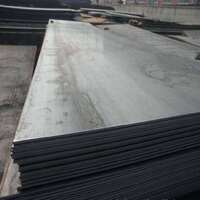
But what exactly does ‘metal clad’ mean? And why are terms like clad steel, metal clad wall, and aluminum clad pipe insulation popping up everywhere? In this guide, we break down everything you need to know about metal clad—from its basic definition to its most innovative applications.
2. What Does ‘Metal Clad’ Mean?
At its core, ‘metal clad’ (sometimes written as ‘metalclad’) refers to any structure, component, or surface that is covered or encased with a layer of metal. The term ‘clad metal meaning’ or ‘metal clad meaning’ describes a composite material where one metal is bonded to another—often to combine strength, corrosion resistance, cost-efficiency, or aesthetic appeal.
For example, aluminum clad steel wire uses a steel core for tensile strength with an aluminum outer layer for conductivity and weather resistance. Similarly, stainless clad aluminum merges the corrosion resistance of stainless steel with the lightweight nature of aluminum.
3. Metal Clad in Architecture and Construction
One of the fastest-growing uses of metal clad systems is in building exteriors. Architects love metal clad walls and metal clad facades for their sleek look, durability, and minimal upkeep. Popular choices include:
- Corten steel siding, known for its rust-like appearance that stabilizes over time and requires no painting
- Zinc metal siding and zinc clad roof systems, prized for their self-healing patina and 80+ year lifespan
- Copper siding, which develops a distinctive green verdigris over decades
- Exterior corrugated metal siding and corrugated steel facade panels for industrial-chic aesthetics
- Vertical standing seam metal siding and colorbond standing seam roofs for clean, modern lines
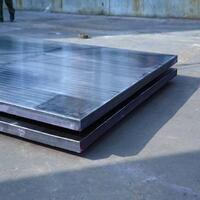
Brands like PAC CLAD offer specialized products such as PAC CLAD standing seam roof panels, PAC CLAD coping, and PAC CLAD column covers—making them go-to choices for high-end metal clad buildings.
A steel clad house or metal clad shed might use standing seam facade panels or even a zinc clad dormer to blend function with form. And thanks to innovations in alloy clad technology—like 2024 T3 clad or 7075 T6 clad aluminum—these structures are stronger and lighter than ever.
4. Industrial and Engineering Applications
Beyond buildings, ‘clad metals’ play a critical role in heavy industry. Clad steel plates—such as those made by Steel Clad Inc.—combine carbon steel strength with stainless or nickel overlays for chemical resistance in reactors, boilers, and pipelines.
Common industrial materials include:
- Aluminum clad stainless steel and stainless clad aluminum for heat exchangers
- Titanium clad sheets for aerospace and marine environments
- Copper nickel clad and cupro nickel clad for seawater piping
- Inconel weld overlay and Inconel 625 overlay plates for extreme-temperature applications
Even everyday components rely on metal cladding: metal clad electrical wire (including CU clad wire and aluminum clad wire) uses protective metal sheathing for safety in commercial wiring, while aluminum clad pipe insulation helps maintain temperature in HVAC systems.
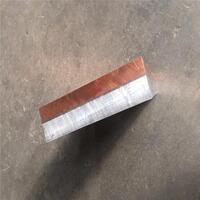
5. Metal Plates and Sheets: The Building Blocks
Many clad systems start with base metal plates. Whether it’s a 1/8 inch steel plate, 3/16 metal plate, or thick steel plate for structural support, these raw materials come in countless grades and finishes.
Popular options include stainless steel plate (like 316L SS plate or 304L stainless steel plate), aluminum diamond tread plate for slip resistance, and mild steel plate for general fabrication. Specialty items like chrome carbide overlay plates or perforated plate add functionality for wear resistance or airflow.
You’ll also find alloy plate varieties—6061 T6 aluminum plate, 7075 aluminum plate, or Inconel 718 plate—for high-performance needs. And yes, you can easily find ‘steel plate for sale’ or ‘aluminum sheet for sale’ from distributors nationwide.
6. Cost, Maintenance, and Trends
While upfront costs can vary—corten siding cost typically ranges from $8 to $15 per sq. ft., depending on finish and region—the long-term savings in maintenance make metal clad systems highly economical.
Unlike traditional wood or vinyl, metal weatherboard and metal clad siding rarely need repainting or sealing. Plus, materials like corten steel plate develop a protective oxide layer that actually prevents further corrosion.
Current trends favor minimalist designs with textured metals: think standing seam facade panels in matte black, zinc facade with vertical ribs, or even bronze plate accents. Sustainability certifications now often include recycled content in clad metals—another reason architects specify them.
7. Conclusion
From the sleek lines of a metal clad house to the rugged reliability of metal clad electrical wire, ‘metal clad’ represents a fusion of form, function, and future-proofing. Whether you’re choosing a zinc clad roof, installing aluminum clad steel conduit, or specifying a stainless steel metal plate for a refinery, understanding clad metal meaning and applications ensures smarter, longer-lasting decisions. As materials science advances and design tastes evolve, metal clad isn’t just here to stay—it’s leading the way.
Our Website founded on October 17, 2012, is a high-tech enterprise committed to the research and development, production, processing, sales and technical services of ceramic relative materials such as 10. Our products includes but not limited to Boron Carbide Ceramic Products, Boron Nitride Ceramic Products, Silicon Carbide Ceramic Products, Silicon Nitride Ceramic Products, Zirconium Dioxide Ceramic Products, etc. If you are interested, please feel free to contact us.