1. Introduction
In the past 48 hours, architects and builders worldwide have been buzzing about a new eco-friendly office complex in Copenhagen featuring a striking zinc clad roof and corten steel facade—showcasing how modern design is embracing durable, low-maintenance metal cladding for both aesthetics and sustainability. This trend highlights the growing relevance of metal clad systems across residential, commercial, and industrial projects.
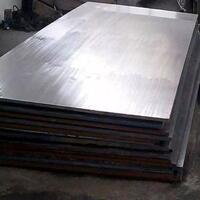
But what exactly does ‘metal clad‘ mean? Whether you’re researching metal clad siding for your home, evaluating clad steel for industrial piping, or just curious about terms like ‘aluminum clad stainless steel’ or ‘pac clad standing seam roof,’ this guide breaks it all down in simple, practical terms.
2. Understanding Metal Clad: Meaning and Basics
2.1. What Does ‘Metal Clad’ Mean?
The term ‘metal clad’ (sometimes written as ‘metalclad’) refers to any product, structure, or component that has a surface layer or outer shell made of metal. This metal layer can serve decorative, protective, conductive, or structural purposes—depending on the application.
For example, in construction, a metal clad wall might use corrugated steel facade panels for weather resistance and visual appeal. In electrical engineering, metal clad electrical wire features a protective metal sheath around insulated conductors for safety and durability.
2.2. Clad Metal Meaning vs. Solid Metal
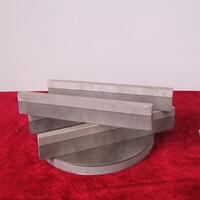
It’s important to distinguish between solid metal and clad metals. Clad metals are composites—typically a base metal bonded with a thin layer of another metal for enhanced properties. Examples include aluminum clad steel, stainless clad aluminum, and copper nickel clad. These combinations offer cost savings, corrosion resistance, or improved conductivity without using expensive pure metals throughout.
Processes like electroplating, roll bonding, or explosion welding create these layered structures. Chromium electroplating, for instance, adds a shiny, wear-resistant chrome metal layer to steel or brass plates.
3. Common Types and Applications of Metal Clad Systems
3.1. Architectural Uses: Facades, Roofs, and Siding
Metal cladding is increasingly popular in modern architecture due to its longevity, recyclability, and sleek appearance. Popular options include:
- Corten steel siding: Known for its rust-like appearance that stabilizes over time; often used in contemporary metal clad houses.
- Zinc facade and zinc clad dormer: Offers a soft gray patina and excellent weather resistance.
- Copper siding: Develops a green verdigris finish, prized for high-end designs.
- Exterior corrugated metal siding and vertical standing seam metal siding: Durable and versatile for sheds, homes, and commercial buildings.
- Colorbond standing seam and PAC Clad HWP systems: Pre-finished steel options with long warranties and vibrant color choices.
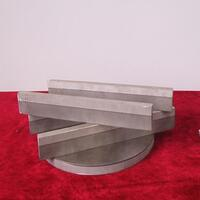
Standing seam facade systems, including PAC Clad column covers and coping details, provide clean lines and superior water shedding—ideal for metal clad buildings in urban settings.
3.2. Industrial and Electrical Applications
Beyond aesthetics, metal clad components play critical roles in infrastructure:
- Aluminum clad pipe insulation protects HVAC and industrial pipes from heat loss and physical damage.
- Metal clad wire (including aluminum clad steel wire and Cu clad wire) is used in power transmission for its strength-to-conductivity balance.
- Metal clad electrical wire meets strict safety codes in commercial buildings, especially where fire resistance or mechanical protection is required.
Clad metals like titanium clad or inconel weld overlay are used in extreme environments—such as chemical plants or aerospace—where standard metals would corrode or fail.
4. Materials Behind the Cladding: Plates, Sheets, and Alloys
The performance of metal clad systems depends heavily on the underlying materials. Common base and cladding metals include:
- Steel plate varieties: mild steel plate, boiler plate steel, carbon steel plate, and corten steel plate (used for its weathering properties).
- Stainless steel options: 316 stainless steel plate, 304L, 316L SS plate, and 904L grades for high-corrosion resistance.
- Aluminum alloys: 6061 T6 aluminum plate, 5052 aluminum plate, and 7075 T6 clad sheets for lightweight strength.
- Specialty plates: diamond plate steel, aluminum tread plate, perforated plate, and checker plate metal sheet for slip resistance or decorative effects.
Thicknesses vary widely—from 1/8 inch steel plate to thick steel plate over 1 inch—depending on load requirements. Prices fluctuate based on grade, size, and market demand, so many buyers search for ‘steel plate near me’ or ‘aluminum sheet for sale’ to find local suppliers.
5. Cost Considerations and Trends
While metal cladding offers long-term value, upfront costs can vary significantly. For instance, corten siding cost typically ranges higher than standard galvanized steel but lower than copper. Zinc metal siding and PAC Clad systems sit in the mid-to-high range, justified by decades of service life.
Recent innovations focus on sustainability: recycled content in aluminum clad sheet, low-VOC coatings, and modular panel systems that reduce construction waste. The Copenhagen project mentioned earlier uses locally sourced zinc and corten steel—highlighting a global shift toward responsible material sourcing.
6. Conclusion
From a humble metal clad shed to a soaring steel facade on a downtown skyscraper, metal cladding blends function, form, and future-readiness. Whether you’re choosing exterior corrugated metal siding for your home or specifying alloy clad materials for an industrial reactor, understanding the breadth of metal clad options ensures smarter, more resilient decisions. As architecture and engineering continue to evolve, expect clad metals to remain at the forefront—strong, adaptable, and undeniably modern.
Our Website founded on October 17, 2012, is a high-tech enterprise committed to the research and development, production, processing, sales and technical services of ceramic relative materials such as What. Our products includes but not limited to Boron Carbide Ceramic Products, Boron Nitride Ceramic Products, Silicon Carbide Ceramic Products, Silicon Nitride Ceramic Products, Zirconium Dioxide Ceramic Products, etc. If you are interested, please feel free to contact us.