
1. Introduction
When you hear ‘metal clad,’ your mind might jump to electrical wiring or industrial pipes. But in today’s architecture, ‘metal clad’ has evolved into a design powerhouse—especially in high-end, performance-driven buildings. From the rusted elegance of a corten steel facade to the sleek reflectivity of a zinc clad dormer, clad metals are no longer just functional; they’re foundational to modern aesthetic and environmental strategies.
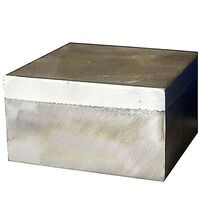
In this article, we’ll dive into the niche—but rapidly expanding—world of metal clad applications in architecture, spotlighting real-world uses where durability, corrosion resistance, and visual impact matter most. Whether it’s a steel clad house perched on a cliff or a commercial tower wrapped in vertical standing seam metal siding, these materials solve complex challenges while turning heads.
2. What Does ‘Metal Clad’ Really Mean?
Before we get into the fancy facades, let’s clarify the basics. The term ‘clad metal meaning’ refers to a composite material made by bonding two or more different metals together. This process—often done through roll bonding, explosion welding, or electroplating—combines the best properties of each metal. For instance, aluminum clad stainless steel offers the corrosion resistance of stainless steel with the lightweight economy of aluminum.
Similarly, ‘clad metals’ like copper nickel clad or titanium clad are engineered for extreme environments, such as marine or chemical processing facilities. But in architecture, this same principle translates into stunning, long-lasting exteriors that age gracefully without sacrificing structural integrity.
2.1. Why Architects Choose Metal Clad Wall Systems
Modern architects increasingly specify metal clad wall systems not just for looks, but for performance. A metal facade made from corrugated steel facade panels or zinc metal siding can withstand decades of weather with minimal maintenance. Plus, many clad metals develop protective patinas—like the iconic rust layer on corten steel siding—that actually enhance longevity.
Take the corten steel siding cost, for example. While initially pricier than standard siding, its near-zero maintenance over 50+ years often makes it more economical long-term. And because corten doesn’t require painting or sealing, it’s a favorite for sustainable builds aiming for LEED certification.
3. Spotlight on Niche Architectural Applications
3.1. Coastal and High-Humidity Environments
In salty, humid climates, traditional building materials corrode quickly. That’s where aluminum clad steel and stainless clad aluminum shine. These clad metals resist salt spray and moisture far better than bare steel or untreated aluminum. Projects near oceans often use pac clad standing seam roof systems or pac clad coping details, which combine aesthetics with marine-grade durability.
Even aluminum clad pipe insulation is sometimes repurposed creatively in architectural detailing—though primarily used in HVAC, its reflective finish and corrosion resistance inspire designers looking for industrial-chic elements.
3.2. Urban High-Rises and Statement Facades
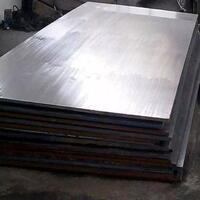
Downtown towers are embracing bold metal identities. A standing seam facade in colorbond standing seam or pac clad hwp (high-performance) finishes delivers clean lines and seamless expanses of color. Meanwhile, zinc clad roofs and zinc clad dormers offer a soft, matte texture that contrasts beautifully with glass curtain walls.
For column covers and soffits, designers turn to pac clad column covers made from aluminum clad sheet or stainless steel metal plate. These components maintain visual continuity while offering fire resistance and structural support.
3.3. Residential Innovation: The Steel Clad House Movement
The ‘steel clad house’ trend is booming among eco-conscious homeowners. Using exterior corrugated metal siding or vertical standing seam metal siding, these homes blend rustic charm with futuristic resilience. Some even incorporate diamond plate steel sheets as accent walls or entry treads—functional and stylish.
Materials like 6061 T6 aluminum plate or 316 stainless steel plate are often used for custom trim, base plates, or decorative metal nameplates. And thanks to advances in metal sheet cutting, intricate patterns can be laser-cut into perforated plate or alloy checker plate for sunscreens and privacy screens.
4. Beyond Aesthetics: Technical Advantages of Clad Metals in Construction
Clad metals aren’t just pretty—they solve real engineering problems. Aluminum clad steel wire, for instance, is used in tension members where conductivity and strength must coexist. In roofing, a zinc coated or zinc nickel alloy surface resists UV degradation better than paint alone.
For thermal efficiency, metal clad insulation systems integrate reflective barriers that reduce heat gain. And in fire-prone zones, thick steel plate or boiler plate steel provides passive fire protection when used in structural cladding.
- Corten steel plate develops a stable oxide layer that halts further corrosion
- Stainless steel 316 sheet resists chloride-induced pitting near oceans
- Aluminum diamond tread plate adds slip resistance to outdoor platforms
- Copper siding ages to a distinctive green patina, requiring zero upkeep
5. Conclusion
From the rugged beauty of a corten steel siding installation to the precision-engineered layers of aluminum clad stainless steel, metal clad materials are redefining what’s possible in high-performance architecture. They merge form, function, and future-proofing in ways few other building products can. As technology advances and sustainability demands grow, expect to see even more innovative uses of clad metals—from titanium clad art installations to nickel brass clad copper rain screens. The next time you admire a gleaming metal facade or a rust-hued steel clad building, remember: it’s not just metal—it’s metallurgy mastered.
Our Website founded on October 17, 2012, is a high-tech enterprise committed to the research and development, production, processing, sales and technical services of ceramic relative materials such as Metal. Our products includes but not limited to Boron Carbide Ceramic Products, Boron Nitride Ceramic Products, Silicon Carbide Ceramic Products, Silicon Nitride Ceramic Products, Zirconium Dioxide Ceramic Products, etc. If you are interested, please feel free to contact us.