
1. Introduction
When you hear ‘metal clad,’ you might picture an industrial shed or a utilitarian electrical cable. But in today’s architecture, metal clad has evolved far beyond basic functionality. From sleek urban skyscrapers to eco-conscious residential homes, specialty clad metals are transforming building exteriors with unmatched resilience and visual appeal. This isn’t just about slapping corrugated steel on a wall—it’s about engineered solutions like corten steel facade systems, zinc clad dormers, and aluminum clad stainless steel composites that merge form, function, and future-proofing.
2. What Does Metal Clad Really Mean?
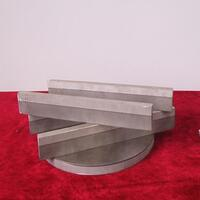
The term ‘clad metal meaning’ refers to a composite material where two or more metals are bonded together—often through roll bonding, explosion welding, or electroplating—to create a surface with enhanced properties. For example, aluminum clad steel combines the strength of steel with the corrosion resistance of aluminum. Similarly, stainless clad aluminum offers the aesthetic polish of stainless steel with the lightweight nature of aluminum. These aren’t just buzzwords; they’re practical innovations solving real engineering challenges.
3. High-Performance Facades: Where Metal Clad Shines
In modern architecture, the facade is no longer just a skin—it’s a performance layer. Architects increasingly specify metal clad wall systems for their thermal efficiency, longevity, and design flexibility. A standout example is the use of corten steel siding, which develops a stable rust-like patina that eliminates the need for painting while offering decades of weather resistance. Though corten siding cost can be higher upfront, its lifecycle value often justifies the investment.
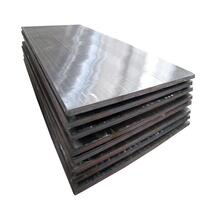
Other popular choices include zinc metal siding and copper siding, both prized for their self-healing oxide layers and timeless aesthetics. Zinc clad roof and zinc clad dormer installations are especially common in European-inspired designs, where subtle texture and low maintenance matter. Meanwhile, vertical standing seam metal siding and colorbond standing seam systems provide clean lines and superior water shedding—ideal for everything from a metal clad house to a commercial steel clad building.
4. Beyond Aesthetics: Structural and Functional Roles
Metal clad isn’t just skin-deep. In infrastructure and industrial settings, clad metals serve critical roles. Aluminum clad pipe insulation protects HVAC systems from condensation and energy loss, while metal clad wire—such as cu clad wire or aluminum clad steel wire—delivers electrical safety in harsh environments. Even in manufacturing, titanium clad or nickel brass clad copper plates offer wear resistance in chemical processing equipment.
For structural components, thick steel plate or boiler plate steel may be clad with stainless steel to resist corrosion in marine or chemical plants. Stainless steel plate grades like 316L or alloy-clad variants (e.g., 7075 T6 clad) ensure integrity under stress and exposure. These applications prove that ‘metal clad type’ selection isn’t arbitrary—it’s precision engineering.
5. Residential Innovation: From Sheds to Signature Homes
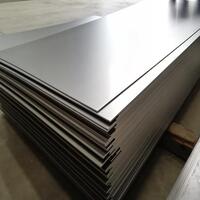
Gone are the days when a metal clad shed was purely utilitarian. Today’s designers use exterior corrugated metal siding and standing seam facade panels to craft striking metal clad houses. Systems like PAC CLAD standing seam roof, PAC CLAD coping, and PAC CLAD column covers offer seamless integration of roof, walls, and trim—creating monolithic, minimalist exteriors.
Homeowners also appreciate options like steel weatherboard or metal weatherboard that mimic traditional wood but last far longer. And with finishes ranging from matte black to natural zinc, customization is easy. Whether it’s a zinc facade on a mountain cabin or a corrugated steel facade on an urban loft, metal cladding delivers drama without drama-maintenance.
6. Sustainability and Future Trends
One of the biggest drivers behind metal clad adoption is sustainability. Most clad metals—aluminum, steel, copper, zinc—are 100% recyclable. Products like aluminum clad sheet or stainless steel metal plate can be reclaimed at end-of-life with minimal energy input. Additionally, reflective metal roofs reduce urban heat island effects, and long service lives mean fewer replacements.
Emerging trends include perforated plate facades for passive solar shading and alloy-clad composites that integrate photovoltaic cells. As architects push for net-zero buildings, expect to see more innovation in clad metal meaning—not just as a covering, but as an active building system.
7. Conclusion
Metal clad has transcended its industrial roots to become a cornerstone of high-performance, visually compelling architecture. Whether it’s a corten steel plate forming a dramatic entry wall, a zinc clad roof aging gracefully over decades, or aluminum clad stainless steel enabling lightweight yet robust structures, clad metals offer unmatched versatility. As technology advances and sustainability demands grow, the role of metal clad in shaping our built environment will only expand—proving that sometimes, the best protection comes wrapped in beauty.
Our Website founded on October 17, 2012, is a high-tech enterprise committed to the research and development, production, processing, sales and technical services of ceramic relative materials such as Metal. Our products includes but not limited to Boron Carbide Ceramic Products, Boron Nitride Ceramic Products, Silicon Carbide Ceramic Products, Silicon Nitride Ceramic Products, Zirconium Dioxide Ceramic Products, etc. If you are interested, please feel free to contact us.