1. Introduction
Just 24 hours ago, global architecture firm Foster + Partners unveiled a new eco-friendly office complex in Copenhagen featuring a striking corten steel facade—reigniting interest in sustainable metal cladding solutions. As cities push for greener infrastructure, metal clad systems are gaining traction for their durability, recyclability, and aesthetic versatility.
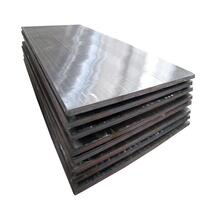
If you’ve heard terms like ‘metal clad wall,’ ‘steel clad house,’ or ‘metal clad electrical wire’ but aren’t sure what they mean, you’re not alone. ‘Metal clad’ is a broad term that spans construction, manufacturing, and electrical engineering. Let’s break it down.
2. What Does ‘Metal Clad’ Mean?
At its core, ‘metal clad‘ (or ‘metalclad’) refers to a composite material or structure where one metal is bonded—mechanically or metallurgically—to another. This process enhances performance, such as corrosion resistance, strength, or cost-efficiency.
The ‘clad metal meaning’ often involves a base metal (like carbon steel) covered with a more resilient or decorative layer (like stainless steel, copper, or zinc). Examples include aluminum clad stainless steel, stainless clad aluminum, and titanium clad sheets.
3. Common Types of Metal Clad Materials
Metal clad comes in many forms, each suited to specific uses:
- Corten steel plate: Known for its rust-like appearance and weather resistance, ideal for corten steel siding and facades.
- Zinc metal siding and zinc clad roof: Low-maintenance and develops a protective patina over time.
- Copper siding: Offers timeless elegance and antimicrobial properties.
- Aluminum clad steel: Combines light weight with strength; used in everything from metal clad sheds to standing seam siding.
- Colorbond standing seam and PAC CLAD standing seam roof systems: Popular for modern metal clad buildings due to clean lines and longevity.
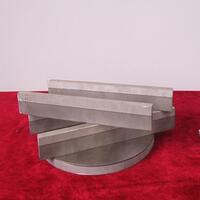
Other notable variants include 2024-T3 clad aluminum for aerospace, copper-nickel clad for marine environments, and alloy clad composites like 7075-T6 clad for high-stress applications.
4. Metal Clad in Construction
In architecture, ‘metal clad’ typically describes exterior finishes. A metal clad house might feature corrugated steel facade panels, vertical standing seam metal siding, or a zinc clad dormer for visual contrast.
Popular choices include:
- Exterior corrugated metal siding: Durable and industrial-chic.
- Steel facade systems: Often using corten or stainless steel plates.
- Metal weatherboard: Mimics traditional wood but with metal’s resilience.
- Standing seam facade: Sleek, watertight, and perfect for commercial builds.
Brands like PAC CLAD offer specialized products such as PAC CLAD coping, column covers, and HWP (high-performance wall) panels—making them go-to solutions for architects seeking both form and function.
5. Industrial and Electrical Applications
Beyond buildings, metal clad plays a critical role in infrastructure:
- Metal clad electrical wire (also called MC cable): Armored with an aluminum or steel sheath for fire and impact resistance—common in commercial settings, including Pennsylvania buildings.
- Aluminum clad pipe insulation: Used in HVAC and industrial piping to prevent heat loss and condensation.
- Cu clad wire and aluminum clad wire: Enhance conductivity while reducing cost.
These systems meet strict safety codes and are often required where mechanical protection is essential.
6. Metal Plates and Sheets in Clad Systems
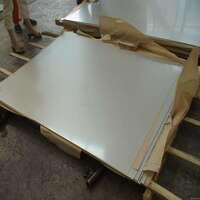
Many clad metals start as base plates or sheets. Common types include:
- Mild steel plate, carbon steel plate, and boiler plate steel: Often used as substrates.
- Stainless steel plate (grades 304L, 316, 316L): For corrosion-prone areas.
- Aluminum 5052 sheet and 6061-T6 aluminum plate: Lightweight yet strong.
- Diamond plate steel and checker plate metal sheet: Add slip resistance for walkways or industrial flooring.
Processes like electroplating, chromium plating, and electroless nickel coating further enhance surface properties—creating chrome metal finishes, gold coatings, or wear-resistant layers like chrome carbide overlay.
7. Cost and Sustainability Considerations
While upfront costs vary—corten siding cost ranges from $8–$15 per sq. ft., and zinc facade systems can exceed $20/sq. ft.—metal clad delivers long-term value through minimal maintenance and 50+ year lifespans.
Plus, most clad metals are fully recyclable. With LEED and BREEAM certifications favoring sustainable materials, architects increasingly specify zinc clad roofs or aluminum clad steel walls to meet environmental goals.
8. Conclusion
From the sleek steel facade of a downtown skyscraper to the armored metal clad wire powering your office, ‘metal clad’ is everywhere—and for good reason. It merges performance, aesthetics, and sustainability in ways few materials can. Whether you’re building a metal clad shed, specifying a corten steel facade, or choosing clad metals for industrial use, understanding your options ensures smarter, longer-lasting decisions.
Our Website founded on October 17, 2012, is a high-tech enterprise committed to the research and development, production, processing, sales and technical services of ceramic relative materials such as What. Our products includes but not limited to Boron Carbide Ceramic Products, Boron Nitride Ceramic Products, Silicon Carbide Ceramic Products, Silicon Nitride Ceramic Products, Zirconium Dioxide Ceramic Products, etc. If you are interested, please feel free to contact us.