



1. Introduction
Just 24 hours ago, a major architectural firm in Chicago unveiled a new residential project featuring a striking corten steel facade that’s reigniting interest in durable, low-maintenance metal cladding for homes. With rising demand for sustainable and modern exteriors, understanding how to properly install and maintain metal clad walls has never been more relevant.
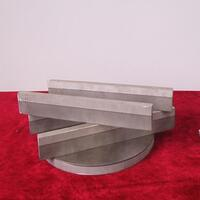
Whether you’re building a metal clad house, renovating a metal clad shed, or upgrading your home with vertical standing seam metal siding, this guide gives you clear, actionable steps to get it right—without costly mistakes.
2. Understanding Metal Clad Meaning and Materials
First, let’s clarify what ‘metal clad‘ actually means. The term ‘clad metal meaning’ refers to a composite material where one metal is bonded to another—like aluminum clad steel or stainless clad aluminum—for enhanced strength, corrosion resistance, or aesthetics.
Common types used in construction include:
- Corten steel siding (weathering steel that forms a protective rust layer)
- Zinc metal siding (self-healing, elegant gray finish)
- Copper siding (ages to a distinctive green patina)
- Colorbond standing seam or PAC CLAD standing seam roof panels
- Exterior corrugated metal siding (affordable and industrial-chic)
These materials fall under broader categories like clad metals, clad steel, or alloy clad products such as 2024-T3 clad or 7075-T6 clad aluminum plates.
3. Choosing the Right Metal Clad Wall System
Not all metal cladding is created equal. Your choice depends on climate, budget, and design goals.
For example, corten steel siding cost is higher upfront but requires zero painting and lasts decades. In coastal areas, aluminum clad sheet or stainless steel plate resists salt corrosion better than mild steel plate.
Popular options include:
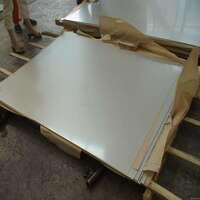
- Steel facade with standing seam siding for clean lines
- Zinc clad dormer or zinc clad roof for subtle elegance
- Corrugated steel facade for rustic or modern farmhouses
- PAC CLAD column covers and coping for seamless transitions
Always verify local building codes—some regions restrict certain metals or require specific fire ratings for metal clad buildings.
4. Step-by-Step Installation Guide
Proper installation prevents leaks, warping, and premature failure. Follow these steps:
4.1 Prepare the Substrate
Ensure your wall framing is level, dry, and covered with a weather-resistant barrier (like housewrap). Never attach metal directly to wood without a drainage gap.
4.2 Install Furring Strips
Use horizontal or vertical furring strips (typically 1×2 wood or metal) to create an air cavity behind the cladding. This allows moisture to escape and improves insulation performance—especially important for metal clad insulation systems.
4.3 Cut and Handle Panels Carefully
Use metal sheet cutting tools (shears or a circular saw with a metal-cutting blade). Wear gloves—edges can be sharp. For aluminum diamond tread plate or stainless steel checker plate accents, pre-drill holes to avoid cracking.

4.4 Attach Cladding
Start at the bottom and work upward. Use concealed fasteners for standing seam systems or exposed screws with neoprene washers for corrugated styles. Leave expansion gaps—metal expands in heat!
4.5 Seal Joints and Penetrations
Use compatible sealants at corners, windows, and roof intersections. For PAC CLAD HWP (High-Performance Wall Panel) systems, follow manufacturer specs for flashing details.
5. Common Problems and Fixes
Even well-installed metal clad walls can face issues:
- Oil-canning (waviness): Caused by over-tightening fasteners. Solution: Loosen slightly and reposition.
- Rust spots on non-corten steel: Likely from scratches exposing bare metal. Touch up with matching paint or zinc-coated primer.
- Condensation behind panels: Improve ventilation or add a vapor barrier if not already present.
- Fading or chalking: Most factory-finished metals (like Colorbond) resist this, but uncoated copper or zinc will naturally patina—this is normal, not a defect.
6. Maintenance Tips for Longevity
Metal clad siding is low-maintenance but not zero-maintenance:
- Rinse annually with water to remove dirt and pollutants.
- Inspect fasteners and seals every 2–3 years.
- Avoid abrasive cleaners—use mild soap for stainless metal sheet or aluminum clad surfaces.
- For corten siding, never paint it—the rust layer is its protection.
7. Conclusion
Installing a metal clad wall—whether it’s a sleek steel facade, rustic corrugated steel, or premium zinc clad roof—adds durability, style, and value to any structure. By choosing the right clad metal type, following proper installation techniques, and performing simple upkeep, your metal clad house or building will look great for decades. With trends leaning toward sustainable, industrial-inspired exteriors, now’s the perfect time to go metal.
Our Website founded on October 17, 2012, is a high-tech enterprise committed to the research and development, production, processing, sales and technical services of ceramic relative materials such as How. Our products includes but not limited to Boron Carbide Ceramic Products, Boron Nitride Ceramic Products, Silicon Carbide Ceramic Products, Silicon Nitride Ceramic Products, Zirconium Dioxide Ceramic Products, etc. If you are interested, please feel free to contact us.