
1. Introduction
Just 24 hours ago, Copenhagen unveiled its newest cultural center—a striking structure wrapped entirely in a custom-designed zinc facade that shifts color with the seasons. This project exemplifies a growing global trend: the strategic use of metal clad systems not just for weather protection, but as integral design and performance elements in high-end architecture and industrial applications.
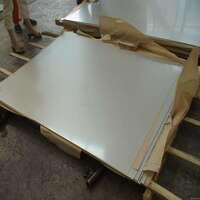
But what exactly does ‘metal clad‘ mean? At its core, metal clad (or metalclad) refers to a composite material where one metal is bonded—mechanically or metallurgically—to another, combining the best properties of both. Whether it’s stainless steel over carbon steel for corrosion resistance, or copper over aluminum for conductivity and cost efficiency, clad metals solve complex engineering challenges while offering bold visual statements.
2. Metal Clad in Advanced Architectural Design
2.1. The Rise of the Metal Clad Facade
Modern architects are moving beyond traditional cladding. Today’s metal facade isn’t just a skin—it’s a functional system. Corten steel siding, for instance, forms a self-protecting rust layer that eliminates the need for painting while delivering a dramatic, earthy aesthetic. Similarly, corrugated steel facade panels and vertical standing seam metal siding offer clean lines and exceptional longevity.
Projects like the Seattle Art Museum expansion showcase corten steel plate used not only for its rugged beauty but also for its low maintenance and structural resilience. And with rising interest in sustainable materials, designers are comparing corten siding cost against long-term lifecycle savings—often finding it more economical over decades.
2.2. Roofing Reimagined with Metal Clad Systems
Metal clad roofs have evolved far beyond simple sheds. Premium systems like PAC CLAD standing seam roofs and Colorbond standing seam options now integrate thermal performance, solar reflectivity, and even rainwater harvesting compatibility.
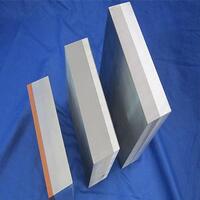
Zinc clad roofs and zinc clad dormers are gaining traction in Europe and North America due to zinc’s natural patina, which protects the surface for over 80 years. Meanwhile, PAC CLAD HWP (High-Performance Wall) panels and PAC CLAD coping details ensure seamless transitions between roof and wall, minimizing leaks and maximizing visual continuity.
3. Beyond Aesthetics: Functional Metal Clad Applications
3.1. Insulation and Piping
In industrial settings, aluminum clad pipe insulation is standard for HVAC and process piping. The aluminum jacket protects fiberglass or mineral wool cores from moisture and physical damage while reflecting radiant heat. This isn’t just about efficiency—it’s critical for safety in chemical plants and refineries.
Similarly, metal clad insulation wraps around ducts and tanks, using aluminum clad sheet or stainless clad aluminum composites to withstand extreme temperatures and corrosive environments.
3.2. Electrical and Structural Uses
Metal clad electrical wire—often armored with interlocked aluminum or steel sheathing—is required in many commercial buildings for fire resistance and mechanical protection. Aluminum clad steel wire and CU clad wire combine conductivity with strength, ideal for grounding and power transmission.
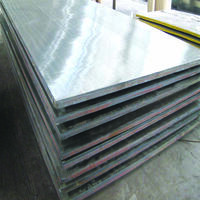
On the structural side, steel clad buildings use thick steel plate bases, carbon steel plate frames, and even boiler plate steel for load-bearing walls. These aren’t your average metal sheds—they’re engineered facilities for data centers, labs, and aerospace manufacturing.
4. Understanding Clad Metal Meaning and Types
The term ‘clad metal meaning’ often confuses newcomers. Simply put, it describes layered metals bonded together. Common combinations include aluminum clad stainless steel (for cookware and chemical tanks), titanium clad (for marine and aerospace), and copper nickel clad (for desalination plants).
Advanced alloys like 2024-T3 clad aluminum or 7075-T6 clad are used in aviation, where surface hardness meets lightweight strength. Inconel 625 weld overlay and nickel brass clad copper serve extreme environments—from nuclear reactors to deep-sea drilling.
Electroplating processes like chromium electroplating or electroless nickel create thin, functional layers, but true clad metals involve thicker, structurally bonded layers—often via roll bonding or explosion welding.
5. Material Selection: From Plates to Panels
Choosing the right base matters. Architects specify stainless steel plate grades like 316L for coastal facades due to salt resistance. Others opt for 6061-T6 aluminum plate for machinable column covers or diamond plate steel sheets for anti-slip walkways.
For cost-sensitive projects, mild steel plate with zinc coated finishes offers a balance of affordability and durability. Meanwhile, specialty items like brass plates for engraving or bronze plate price-per-kg considerations come into play for heritage restorations.
Suppliers now offer everything from 1/8 inch steel plate to 3/16 metal plate, perforated plate for acoustic control, and alloy checker plate for industrial flooring—all available as ‘steel plate near me’ or ‘aluminum sheet for sale’ online.
6. Conclusion
Metal clad is no longer just a construction term—it’s a gateway to smarter, more resilient, and visually compelling design. From corten steel facade installations to PAC CLAD column covers and aluminum clad wire in high-rise infrastructure, clad metals merge form and function like few other materials can. As sustainability and performance drive future builds, expect metalclad innovation to keep rising—literally and figuratively.
Our Website founded on October 17, 2012, is a high-tech enterprise committed to the research and development, production, processing, sales and technical services of ceramic relative materials such as What. Our products includes but not limited to Boron Carbide Ceramic Products, Boron Nitride Ceramic Products, Silicon Carbide Ceramic Products, Silicon Nitride Ceramic Products, Zirconium Dioxide Ceramic Products, etc. If you are interested, please feel free to contact us.