
1. Introduction
Ever walked past a sleek modern building with shimmering metallic walls or noticed a rustic brown exterior that seems to age beautifully over time? Chances are, you’ve seen metal clad in action. But what exactly does ‘metal clad’ mean?
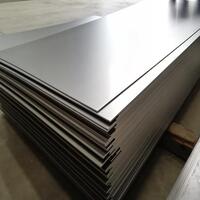
In simple terms, metal clad refers to any structure, surface, or component that’s covered or layered with metal for protection, aesthetics, or performance. From homes and sheds to industrial pipes and electrical cables, metal cladding is everywhere—and it’s more versatile than you might think.
2. What Does Metal Clad Mean?
The term ‘metal clad‘ (sometimes written as ‘metalclad’) describes a composite material or system where one metal is bonded to another—either through mechanical bonding, explosion welding, roll bonding, or electroplating. This process combines the strengths of different metals while reducing cost or weight.
For example, aluminum clad steel wire uses a steel core for strength and an aluminum outer layer for corrosion resistance. Similarly, stainless clad aluminum merges the durability of stainless steel with the lightness of aluminum.
Clad metal meaning isn’t just about looks—it’s functional. Whether it’s titanium clad for aerospace parts or copper nickel clad for marine environments, these hybrids solve real-world engineering challenges.
3. Metal Clad in Architecture and Building Design
One of the most visible uses of metal clad is in construction. Architects and builders love metal cladding for its durability, low maintenance, and striking visual appeal.
Metal clad wall systems are increasingly popular in both commercial and residential settings. Options include corrugated steel facade panels, vertical standing seam metal siding, and corten steel siding—which develops a protective rust-like patina over time.
- Corten steel facade adds industrial elegance and requires no painting
- Zinc metal siding offers self-healing properties and longevity
- Copper siding ages gracefully into a green patina
- Colorbond standing seam and PAC Clad HWP provide pre-finished, weather-resistant solutions
A metal clad house often features clean lines and modern aesthetics. Systems like PAC Clad standing seam roof or zinc clad roof deliver not just style but exceptional weather protection. Even small elements like a zinc clad dormer or PAC Clad column covers can elevate a building’s design.
4. Common Types of Metal Clad Facades and Siding
When choosing exterior finishes, designers consider climate, budget, and desired look. Popular choices include:
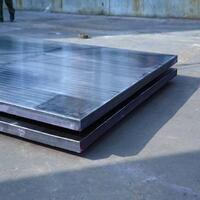
Exterior corrugated metal siding: Affordable, durable, and iconic—often seen on barns and modern homes alike.
Steel facade systems: Strong and fire-resistant, especially when using corten steel plate or mild steel plate.
Standing seam facade: Features interlocking panels with concealed fasteners—ideal for metal clad roofs and walls.
Metal weatherboard: Mimics traditional wood clapboard but with the resilience of steel or aluminum.
Corten siding cost varies by region and thickness, but many find it worth the investment for its unique aging process and minimal upkeep.
5. Industrial and Technical Applications
Beyond buildings, metal clad plays a critical role in infrastructure and manufacturing.
Metal clad electrical wire (also called MC cable) is widely used in commercial and industrial wiring due to its rugged armor and safety compliance. Aluminum clad wire and CU clad wire are common variants.
In piping, aluminum clad pipe insulation protects against heat loss and corrosion. Meanwhile, clad steel components—like boiler plate steel or thick steel plate—are used in pressure vessels and heavy machinery.
Specialized alloys like Inconel 625 plate, 7075 T6 clad aluminum, or copper nickel clad serve extreme environments—from chemical plants to offshore rigs.
6. Understanding Clad Metals and Metal Plates
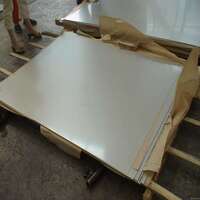
The world of clad metals includes everything from everyday stainless steel plate to exotic titanium alloy plate. These materials often start as base metals like carbon steel plate or aluminum 6061 T6 plate, then get enhanced via cladding or coating.
Electroplating processes—such as chromium electroplating or electroless nickel—add thin protective layers. Chrome metal finishes, gold coating, and nickel sulfamate plating are used for both function and flair.
Perforated plate, diamond plate steel, and checker plate metal sheet (like aluminum diamond tread plate or stainless steel checker plate) offer slip resistance and visual texture—common in stairs, trucks, and industrial flooring.
When sourcing materials, buyers often search for ‘steel plate near me,’ ‘aluminum sheet for sale,’ or ‘stainless steel plate distributors’—highlighting the demand for readily available, high-quality metal stock in various grades (e.g., 316 stainless steel plate, 4140 steel plate, or ASTM A387).
7. Choosing the Right Metal Clad Type
Not all metal clad is created equal. Your choice depends on application:
- For roofing: PAC Clad standing seam or colorbond standing seam
- For coastal areas: Aluminum clad stainless steel or zinc-coated options
- For electrical: Metal clad wire rated for wet/dry locations
- For structural support: Thick steel plate or alloy plate like 4130 steel plate
Always consider factors like corrosion resistance, weight, thermal performance, and local building codes—especially if you’re installing a metal clad shed or retrofitting a steel clad building.
8. Conclusion
Metal clad is far more than just a trendy architectural finish—it’s a smart, engineered solution that spans industries. Whether you’re designing a steel clad house, specifying clad metals for a refinery, or running metal clad electrical wire through a commercial space, understanding the options ensures better performance and value.
From corten steel siding to aluminum clad sheet and Inconel weld overlay, the versatility of metal cladding continues to shape how we build, protect, and innovate.
Our Website founded on October 17, 2012, is a high-tech enterprise committed to the research and development, production, processing, sales and technical services of ceramic relative materials such as What. Our products includes but not limited to Boron Carbide Ceramic Products, Boron Nitride Ceramic Products, Silicon Carbide Ceramic Products, Silicon Nitride Ceramic Products, Zirconium Dioxide Ceramic Products, etc. If you are interested, please feel free to contact us.