
-
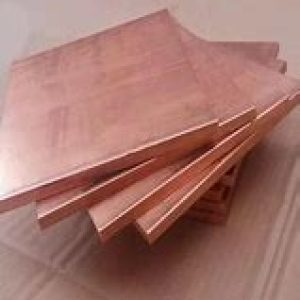 Copper Steel Composite Panel
Plastic Double Sided Wall Cladding Wooden Acp Sheet Copper 3mm Alubond Aluminum Composite Panels
-
 Copper Steel Composite Panel
Oil Stainless steel copper alloy and other high-quality composite metal mesh filter element without blind holes
-
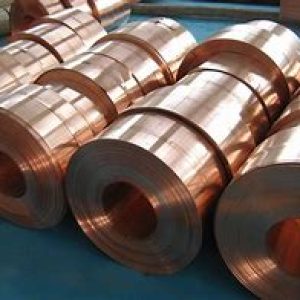 Copper Steel Composite Panel
High Safety Level Aluminum Composite Panel Cnc Metal Copper Pipe Cutting Machine For Solar Panel Processing
-
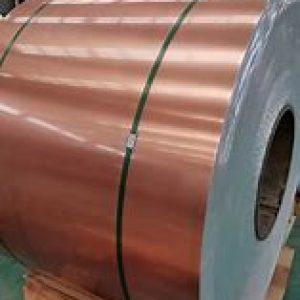 Copper Steel Composite Panel
Processing Stainless Steel Copper Aluminum Composite Panels Aluminum Profiles
-
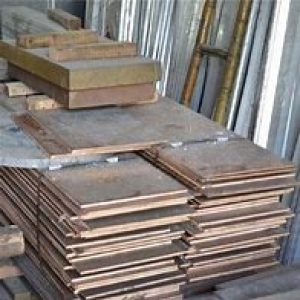 Copper Steel Composite Panel
Panels For Trailers Marine Construction Materials In Myanmar Coolroom Sandwich Copper Sheet Composite Panel List
-
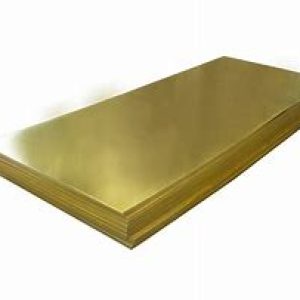 Copper Steel Composite Panel
Long Life Rose Gold ACP Copper Wall Panel Nano Sheet Brushed Copper Aluminum Composite Panels
-
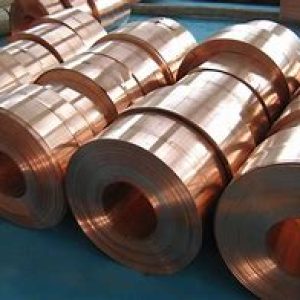 Copper Steel Composite Panel
Hot ACP/ACM panel/aluminium copper stainless steel composite panel cutting cnc machine YH-1325
-
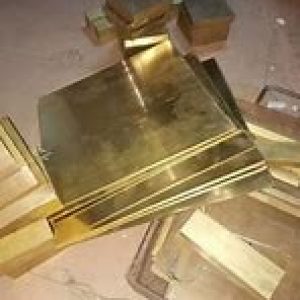 Copper Steel Composite Panel
Whole Copper-Sheet-s-4Ft-X-8-Ft Copper Clad Laminate Sheet Copper Plate
-
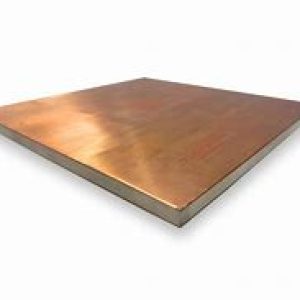 Copper Steel Composite Panel
High Quality 3mm 4mm Ral 9006 ACM ACP Sheet Wall Alucobond PVDF Color Coated Aluminum Composite Panel For Wall
-
 Copper Steel Composite Panel
Pu Sandwich Exterior Wall Panels For Prefabricated House Exterior Wall Panel Decorative Heat Insulation Metal Panel
-
 Composite Panel Products
Stainless Steel Copper Rod Clad Plate In Stock Regular Size Copper Bar Fast Delivery
-
 Composite Panel Products
Titanium clad copper rod titanium copper clad bar sheet
Copper Steel Composite Panel
Overview of Copper Steel Composite Panel
Copper steel composite panels combine the aesthetic appeal and corrosion resistance of copper with the strength and cost-effectiveness of steel, offering a versatile material solution for architectural facades, roofing, and interior design.
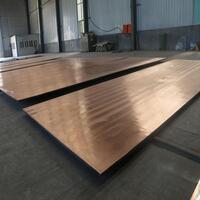
Features of Copper Steel Composite Panel
- Copper Layer Thickness: The thickness of the outer copper layer varies, typically ranging from 0.3mm to 1.0mm, depending on the desired finish, durability, and cost considerations.
- Steel Substrate: The inner layer is usually made of galvanized steel or stainless steel, chosen for its strength, stability, and corrosion resistance. The thickness of this substrate can range from 0.5mm to several millimeters.
- Bonding Agent: A strong adhesive layer bonds the copper and steel layers together. The choice of adhesive is crucial for ensuring long-term adhesion and preventing delamination under varying environmental conditions.
- Surface Finish: Copper can be finished in various ways, including natural (which develops a patina over time), pre-patinated, mirror-polished, brushed, or patterned, influencing the panel’s visual impact and maintenance requirements.
- Dimension and Tolerance: Panels come in standard sizes or can be customized, with typical dimensions ranging from 1220mm x 2440mm up to larger formats. Tight manufacturing tolerances ensure precise fitting and alignment during installation.
- Panel Thickness: Total panel thickness includes both copper and steel layers plus the adhesive, usually ranging from 2mm to 6mm or more, depending on the application’s structural and aesthetic needs.
- Corrosion Resistance: The combination of copper and steel provides enhanced corrosion resistance, with the copper layer acting as a sacrificial anode to protect the underlying steel in aggressive environments.
- Formability: Copper steel composite panels can be bent, folded, or shaped to accommodate complex architectural designs, subject to the limitations of the materials and manufacturing processes.
- Fire Resistance: The composite’s fire-resistant properties depend on the specific steel substrate used and can be tailored to meet various fire safety regulations.
- Installation System: Panels are installed using concealed fixings, rainscreen systems, or other mounting methods, which must be compatible with the panel’s weight, size, and the building’s structural requirements.
- Weather Resistance: Copper’s natural weathering properties combined with the stability of the steel substrate make these panels suitable for outdoor applications, resisting UV degradation and weathering effects.

Parameters and specifications of copper-steel composite plates
- Thickness: usually ranges from 5mm to 100mm, depending on the application requirements.
- Width: generally can reach 1000mm to 3000mm.
- Length: customized as needed, up to 12000mm.
- Copper layer thickness: usually 10% to 50% of the total thickness, which can be adjusted according to specific requirements.
- Tensile strength: due to the characteristics of the material combination, its tensile strength can reach 400MPa to 600MPa.
- Surface treatment: different surface treatment methods such as polishing, pickling, etc. can be selected to meet specific application environments.
Application of copper-steel composite plates
- Chemical industry: used to manufacture reactors, storage tanks and other equipment with high corrosion resistance.
- Power industry: suitable for condenser tube sheets and other key components in power plants to increase the service life of equipment.
- Marine engineering: used when building ship structures and offshore platforms to resist seawater corrosion.
- Architectural decoration: use its beauty and durability as exterior wall decorative panels or interior decoration materials.
- Electronics industry: used to make heat sinks or other products that require efficient thermal conductivity.

Company Profile
Metal Plates 4u is a trusted global metal material supplier & manufacturer with over 12-year-experience in providing super high-quality metal clad and relatives products.
The company has a professional technical department and Quality Supervision Department, a well-equipped laboratory, and equipped with advanced testing equipment and after-sales customer service center.
If you are looking for high-quality metal alloy clad and relative products, please feel free to contact us or click on the needed products to send an inquiry.
Payment Methods
L/C, T/T, Western Union, Paypal, Credit Card etc.
Shipment
It could be shipped by sea, by air, or by reveal ASAP as soon as repayment receipt.

5 FAQs about copper-steel composite plates
Q1: What are the main advantages of copper-steel composite plates?
A: The main advantages include excellent corrosion resistance, good electrical and thermal conductivity, high strength, and cost-effectiveness.
Q2: How to choose the appropriate copper layer thickness?
A: The selection of copper layer thickness is mainly based on the requirements of the application environment for corrosion resistance and electrical/thermal conductivity. For highly corrosive environments, a thicker copper layer may be required.
Q3: Are copper-steel composite plates easy to process?
A: Yes, although they are composite materials, most standard metal processing methods (such as cutting and bending) are applicable, but care should be taken to avoid damaging the copper layer.
Q4: What should be paid attention to when welding copper-steel composite plates?
A: When welding, special attention should be paid to selecting appropriate welding materials and techniques to ensure a good bond between the two different metals and minimize embrittlement of the heat-affected zone.
Q5: What are the price factors of copper-steel composite plates?
A: Prices are affected by many factors, including raw material costs, production process complexity, required specifications (size, thickness, etc.), and market supply and demand conditions.