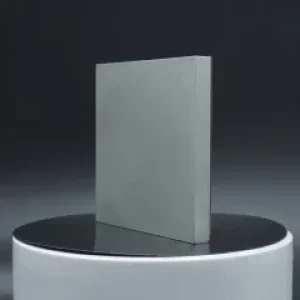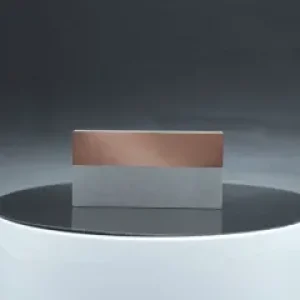
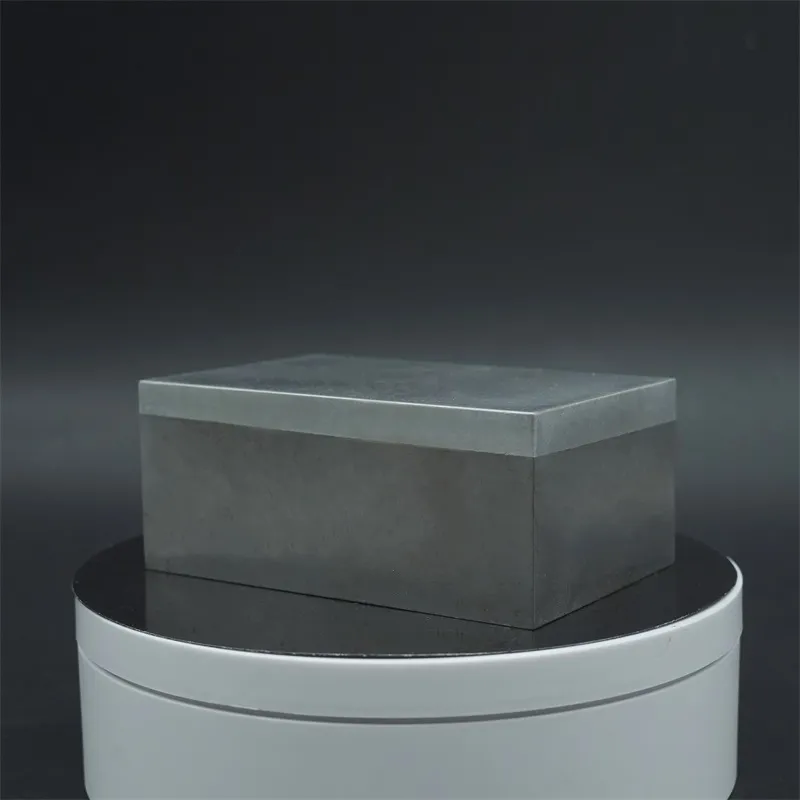
Overview of Aluminum Steel Clad Plate
Aluminum steel clad plate is a clad material with high strength and good toughness. Its appearance greatly improves the bearing capacity and seismic performance of buildings. Aluminum has low density, high plasticity, pale ʻino, hana maʻalahi, ʻaʻahu kūʻē, a me ka conductivity uila. He ʻokoʻa, steel has high strength, good plasticity and toughness, and good economy, but it is not corrosion-resistant. Aluminum steel clad plates are a combination of the two materials—a material that combines advantages.
Features of Aluminum Steel Clad Plate
Light weight: The weight of the aluminum steel clad plate is only about 1/3 o ka papa alumini maʻemaʻe kuʻuna, no laila hiki ke hoʻemi nui i ka ukana o ka hale a hoʻemi i ke kumu kūʻai.
ʻO ke kūpaʻa ʻino: The surface of the aluminum steel clad plate has good corrosion resistance, hiki ke pale pono i ka hili ʻia ʻana o nā hale e nā kinoea kino e like me ka ua waikawa a me ka paʻakai paʻakai.
Ka ikaika kiʻekiʻe: Aluminum steel clad plates have very high strength and can be made into various structural parts or parts with complex shapes, uneven thickness and large loads.
Ke kū'ē i ka wela kiʻekiʻe: Aluminum steel clad plates can withstand high temperatures up to 1000 ° C, so they are very useful in many high temperature applications.
ʻAʻahu kūʻē: The wear resistance of aluminum steel clad plates is very good, hiki iā ia ke hoʻemi maikaʻi i ka friction, reduce wear and prolong the service life of buildings.
Fatigue resistance: Due to the low elastic modulus and good toughness (elongation greater than 25%) of the aluminum/steel clad plate, it has good shock resistance and has a good absorption effect on impact loads.
Applications of Aluminum Steel Clad Plate
Aluminum steel-clad plates have been widely used in construction, mokulele, kaʻahele, mea uila, lāʻau lapaʻau, a me nā kula ʻē aʻe. Specific applications include:
Kūkulu: Aluminum steel clad plates can be used for building exterior walls, nā ʻāpana o loko, nā alapiʻi, ka puka a me ka puka makani, etc, due to their light weight, pale ʻino, ikaika kiʻekiʻe, pale wela kiʻekiʻe, ʻaʻahu kūʻē, pale ʻana i ka luhi, and good self-lubricating properties
Aviation: Aluminum steel clad plates are an important structural material for aircraft, rockets, a me nā mokulele ʻē aʻe. Due to their lightness, ikaika kiʻekiʻe, pale wela kiʻekiʻe, a me ka pale ʻana i ka corrosion, they can improve aircraft load capacity and safety.
Kaʻahele: Aluminum/steel clad plates can be used to manufacture automobile bodies, nā kaʻa kaʻaahi, nā papa moku, kaʻa ʻōwili, lako mokulele, etc. Due to their light weight, ikaika kiʻekiʻe, a me ka pale ʻana i ka corrosion, they can improve the load-carrying capacity and safety.
Nā ʻano lāʻau lapaʻau: Aluminum steel clad plates can be used to manufacture medical device shells, such as medical beds, nā kaʻa lapaʻau, nā papa hana, etc. Ma muli o ko lākou māmā, ikaika kiʻekiʻe, a me ka pale ʻana i ka corrosion, hiki iā lākou ke hoʻomaikaʻi i ke ola lawelawe a me ka palekana.
Grade of Aluminum Steel Clad Plate
1A97, 1A93, 1A90, 1A85, 1070, 1060, 5083, Q235B, CCSB, Q245R, Q345R, 15CrMoR, 16ʻO Mn,20MnMO, 15CrMo, 109MnNiDR, 16MnD, 09MnNiD
Standard of Aluminum Steel Clad Plate
GBT 8546-2007
Puke o Aluminum Steel Clad Plate
E like me nā ʻano huahana a me nā pono o ka mea kūʻai aku.
ʻŌlelo a Aluminum Steel Clad Plate
E ʻoluʻolu e hāʻawi i nā koi ʻenehana kikoʻī e hoʻomaʻamaʻa i ke kamaʻilio a hoʻoholo i ka hopena.
Uku Mnā ʻano hana of Aluminum Steel Clad Plate
L/C, T/T, Hui Komohana, Paypal, Kāleka ʻaiʻē etc.
Hoʻouna o Aluminum Steel Clad Plate
Hiki ke hoʻouna ʻia ma ke kai, ma ka lewa, a i ʻole ma ka hōʻike ʻana iā ASAP i ka wā e loaʻa ai ka uku.
FAQ
Ninau: What are the advantages of aluminum-steel composite panels compared to pure aluminum panels and pure steel panels?
Pane: Aluminum-steel composite panels have the advantages of aluminum and steel. It combines the lightness and corrosion resistance of aluminum with the strength and toughness of steel. Compared with pure aluminum plate, it is stronger; compared with pure steel plate, it is lighter and corrosion-resistant.
Ninau: What is the manufacturing process of aluminum-steel composite panels?
Pane: ʻO ke kaʻina hana ka mea nui i ka pretreatment, hoʻohuihui, lapaʻau wela a me nā ʻanuʻu ʻē aʻe. Pretreatment involves cleaning and surface treatment of aluminum plates and steel plates; i ka wā o ka hana hui, the two materials are closely combined through a specific process; heat treatment further improves the performance of the composite plates.
Ninau: What is the strength of aluminum-steel composite panels?
Pane: Aluminum-steel composite panels have high strength, mainly due to the existence of the steel layer. I ka manawa like, the composite structure of aluminum and steel also enhances the overall strength of the panel.
Ninau: What is the corrosion resistance of aluminum-steel composite panels?
Pane: Aluminum-steel composite panels have good corrosion resistance, and the aluminum layer can effectively resist erosion by corrosive media. Eia naʻe, the specific corrosion resistance also depends on factors such as the thickness of the aluminum layer, alloy composition and surface treatment.
Ninau: Can aluminum-steel composite panels be welded?
Pane: ʻAe, aluminum-steel composite panels can be welded. Eia naʻe, it should be noted that due to the different thermal expansion coefficients and melting points of aluminum and steel, appropriate welding processes and parameters need to be selected during welding to ensure welding quality.
Ninau: How to install and maintain aluminum-steel composite panels?
Pane: I ka wā hoʻokomo, relevant installation guidelines should be followed to ensure that the board is flat and firmly fixed. Ma ke ano o ka malama ana, clean the surface regularly to avoid contact with corrosive substances, and repair damaged parts in time.