
**Hang Time: Your Metal Plate’s New Best Friend**
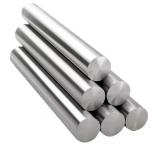
(How To Add Hanger To Metal Plate)
That metal plate sitting in your workshop? It’s tough, versatile, and ready for action. But sometimes, it needs a little help reaching its full potential, especially when hanging things is the goal. Adding a hanger transforms it from a flat piece of metal into a reliable anchor point. Forget wrestling with awkward setups or worrying about weak spots. This guide walks you through everything about adding hangers to metal plates, making it simple and secure.
**1. What Are Metal Plate Hangers?**
Think of metal plate hangers as the strong connectors between your solid plate and whatever needs hanging. They aren’t the plate itself. They are the hardware you attach *to* the plate. These hangers come in many shapes and sizes, each suited for different jobs. Common types include welded hooks or loops, bolt-on brackets, heavy-duty eye bolts, or even specialized clips designed for metal. The core idea is the same. You fix the hanger securely onto the metal plate. This creates a sturdy point you can then hang things from. The hanger takes the weight, the metal plate provides the strong base, and together they handle the load safely. It’s a partnership built for strength.
**2. Why Bother Adding Hangers?**
Why go through the effort? Because attaching a dedicated hanger unlocks the plate’s strength for hanging tasks. Metal plates are incredibly strong in compression and shear, but their smooth surface isn’t naturally grippy for hooks or ropes. A hanger solves this problem directly. It gives you a definite, reliable attachment point. This means you can hang heavier items safely. You reduce the risk of things slipping off unexpectedly. It also makes positioning things much easier and more precise. Need to hang a heavy tool exactly over your workbench? A plate with a hanger makes it simple. Want to suspend a sign securely outdoors? A hanger on a plate provides the anchor. The hanger turns the plate’s inherent strength into usable hanging power. It prevents damage to the plate itself from improvised hanging methods. Essentially, it makes the plate much more useful and versatile.
**3. How To Attach Them Right**
Getting the hanger on securely is key. Cutting corners here is asking for trouble. Here’s the straightforward approach:
* **Pick Your Spot:** Decide exactly where on the plate the hanger needs to go. Think about balance. Think about where the weight will pull. Avoid putting it too close to the very edge unless the hanger design specifically allows it. Mark the spot clearly.
* **Clean the Area:** Metal needs a clean surface for a good bond. Wipe down the marked spot thoroughly. Remove any oil, grease, dirt, or rust. Use a degreaser or rubbing alcohol. A wire brush helps with stubborn grime or light rust. A clean surface is essential.
* **Drill the Holes (If Needed):** Many hangers need holes for bolts or screws. Check your hanger’s requirements. Use a sharp metal drill bit. Drill slow and steady. Use cutting oil to keep the bit cool and prevent overheating the metal. This makes drilling easier and gives cleaner holes. Match the drill bit size exactly to the bolts or rivets you plan to use. Slightly too big means a weak connection; too small makes assembly difficult.
* **Secure the Hanger:** Now, attach the hanger firmly. The method depends on the type:
* **Bolts/Nuts:** Slide the bolt through the plate hole and the hanger. Add a flat washer. Tighten the nut securely on the other side. Use a lock washer or thread-locking compound to prevent loosening over time. Double-check tightness.
* **Rivets:** Insert the rivet through the plate and hanger. Use a rivet gun to pull the mandrel, expanding the rivet body and clamping everything tightly together. This creates a permanent connection.
* **Welding:** For the strongest bond, welding is best. This requires skill and proper safety gear. Clean the surfaces extremely well. Weld the hanger base securely to the plate. Ensure the weld penetrates fully. Grind smooth if needed. Only weld if you are qualified.
* **Check Your Work:** Give the hanger a firm tug. It should not move at all. There should be no play, no wobble. If it moves, tighten bolts more, check rivets, or re-evaluate the weld. A loose hanger is dangerous.
**4. Where They Shine (Applications)**
Metal plates with added hangers are incredibly useful in many situations. Their strength and reliability make them ideal anchors:
* **Workshop & Garage:** Hang heavy power tools securely from the ceiling or wall. Organize garden tools, extension cords, or bulky equipment. Mount bike racks or kayak hoists to sturdy plates bolted to studs. Create custom storage solutions for welding tanks or lumber.
* **Construction & Industrial:** Suspend lighting fixtures, conduit, or piping from structural beams using plate-mounted hangers. Secure temporary safety barriers or signage. Hang equipment during installations or maintenance work. Anchor lifting points for rigging.
* **Retail & Display:** Create strong points for hanging heavy merchandise like bicycles, furniture, or large appliances. Build custom display stands for art, signage, or product samples that need reliable support.
* **Home & DIY Projects:** Mount heavy mirrors or large artwork securely to walls using a plate with a welded D-ring. Build a sturdy pot rack for the kitchen. Create a hanging planter system for the patio. Support a heavy swing or hammock stand. The possibilities are wide open.
* **Signage & Lighting:** Securely mount large outdoor signs to poles or buildings using plates with welded lifting eyes. Hang streetlights or architectural lighting fixtures safely from structural supports. Ensure wind and weather won’t loosen the connection.
**5. Common Questions Answered (FAQs)**
* **What weight can it hold?** This depends entirely on the plate thickness, the hanger type, the size of bolts/rivets, the quality of the weld, and how you attach the plate to the wall or structure. Always check the manufacturer’s rating for the hanger itself. Factor in the plate’s strength and the mounting method. When in doubt, over-engineer. Use a thicker plate, a stronger hanger, bigger bolts, and more mounting points. Safety is critical.
* **Can I use glue instead of bolts or welding?** Do not rely on glue alone for structural hanging. Glues and epoxies can fail under constant load or vibration, especially with metal. They are not designed for this primary load-bearing task. Use mechanical fasteners (bolts, rivets) or welding for safety. Glue might be a temporary helper at best.
* **What tools do I need?** Basic tools include a tape measure, marker, drill, metal drill bits, wrenches or sockets for bolts, a rivet gun (if using rivets), safety glasses, and gloves. For welding, you need a welder, helmet, gloves, and proper ventilation. Cleaning supplies like degreaser and a wire brush are essential. Having the right tools makes the job easier and safer.
* **How thick should the metal plate be?** Thicker is generally stronger. For light-duty tasks (hanging small tools, pictures), 1/8 inch (3mm) steel might work. For medium-duty (power tools, bikes), 1/4 inch (6mm) is better. Heavy-duty applications (large equipment, structural) need 3/8 inch (10mm) or thicker. Match the plate thickness to the expected load and the hanger size. A thick hanger on a thin plate can bend the plate.
(How To Add Hanger To Metal Plate)
* **Can I paint the plate and hanger?** Yes, painting is fine and helps prevent rust. Do it *after* attaching the hanger. Clean the surfaces thoroughly before painting. Use a primer suitable for metal, then apply your topcoat. Ensure paint doesn’t clog threads or interfere with moving parts if any. Painting protects your work and makes it look better.
Inquiry us
if you want to want to know more, please feel free to contact us. (nanotrun@yahoo.com)