
1. Introduction
In the past 48 hours, architects and builders across North America have seen a surge in demand for modern, fire-resistant, and eco-friendly home exteriors—driven by new wildfire resilience codes in California and Oregon. Metal clad systems are at the forefront of this trend, with products like PAC CLAD standing seam panels and corten steel siding gaining popularity for their durability and minimalist aesthetic.
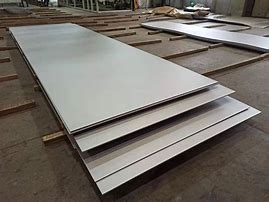
If you’re considering a metal clad house or upgrading your current exterior, this guide gives you everything you need: from selecting the right metal clad type to installation tips and long-term maintenance. Whether you’re working with corrugated steel facade panels, zinc clad dormers, or vertical standing seam metal siding, these steps will help you avoid costly mistakes.
2. Choosing the Right Metal Clad Material
Not all clad metals are created equal. Your choice depends on climate, budget, and design goals.
- Corten steel siding offers a rustic, weathered look and forms a protective rust layer—but it’s not ideal for high-salt coastal areas.
- Zinc metal siding is self-healing, low-maintenance, and perfect for contemporary zinc facade designs.
- Aluminum clad steel combines light weight with strength and resists corrosion better than bare steel.
- Copper siding develops a beautiful patina over time but comes at a premium price.
For cost-conscious projects, exterior corrugated metal siding or Colorbond standing seam panels provide excellent value. Always check local building codes—some regions restrict certain metals near the ocean due to salt corrosion risks.
3. Preparing for Installation
Before you install any metal clad wall system, ensure your substrate is solid, dry, and properly insulated. Use metal clad insulation behind the panels if energy efficiency is a priority.
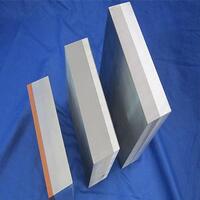
Gather essential tools:
- Metal snips or a metal sheet cutting tool
- Drill with metal-compatible bits
- Level and measuring tape
- Snap lines for alignment
- Appropriate fasteners (stainless steel screws for most applications)
Also verify that your chosen product—like PAC CLAD HWP or PAC CLAD coping—is rated for your region’s wind and snow loads.
4. Step-by-Step Installation Guide
Follow these steps for a professional-looking metal clad siding job:
4.1. Install a Weather-Resistive Barrier
Wrap the wall with a breathable house wrap to prevent moisture intrusion while allowing vapor to escape.
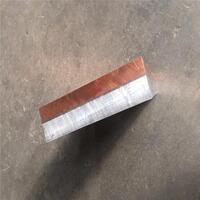
4.2. Add Furring Strips (If Needed)
For ventilated rainscreen systems—common with zinc clad roof or steel facade installations—attach vertical furring strips to create an air gap behind the panels.
4.3. Start at the Bottom
Begin with the first panel at the lowest point of the wall. Use a level to ensure it’s perfectly straight—any error here will compound upward.
4.4. Secure Panels Properly
Fasten panels using concealed clips for standing seam systems or exposed screws for corrugated styles. Never over-tighten; allow for thermal expansion.
4.5. Handle Corners and Penetrations
Use PAC CLAD column covers for corners or custom-bent trim for windows and doors. Seal all joints with UV-resistant sealant compatible with your metal type.
5. Common Problems and Fixes
Even the best metal clad building can face issues. Here’s how to troubleshoot:
- Oil-canning (waviness): Caused by over-fastening or poor panel support. Fix by loosening screws slightly or adding intermediate supports.
- Scratches or dents: Touch up with manufacturer-approved paint. For stainless clad aluminum or titanium clad surfaces, use matching polish kits.
- Galvanic corrosion: Occurs when dissimilar metals (e.g., aluminum clad stainless steel) contact in wet conditions. Always use dielectric separators or compatible metals.
- Fading or chalking: Common with lower-grade coatings. Upgrade to Kynar 500® or similar high-performance finishes for long-term color retention.
6. Maintenance Tips for Longevity
Metal clad siding is low-maintenance but not zero-maintenance. Follow these habits:
- Rinse annually with water to remove dirt, pollen, and pollutants.
- Inspect seals and fasteners every 2–3 years.
- Avoid abrasive cleaners—especially on copper siding or zinc metal siding.
- In snowy climates, clear heavy snow buildup from metal clad roofs to prevent panel deformation.
With proper care, a steel clad house or metal clad shed can last 50+ years without major repairs.
7. Conclusion
Metal clad exteriors blend industrial strength with modern elegance. Whether you choose corten steel siding for its raw beauty, a zinc clad dormer for subtle refinement, or vertical standing seam metal siding for clean lines, the key is smart material selection and precise installation. By following this guide, you’ll create a metal clad wall system that’s not only stunning but built to withstand decades of weather, wear, and time.
Our Website founded on October 17, 2012, is a high-tech enterprise committed to the research and development, production, processing, sales and technical services of ceramic relative materials such as How. Our products includes but not limited to Boron Carbide Ceramic Products, Boron Nitride Ceramic Products, Silicon Carbide Ceramic Products, Silicon Nitride Ceramic Products, Zirconium Dioxide Ceramic Products, etc. If you are interested, please feel free to contact us.