
1. Introduction
Metal clad exteriors are surging in popularity thanks to their sleek look, low maintenance, and exceptional durability. Whether you’re building a new metal clad house or updating an old one, understanding how to properly install and maintain metal clad siding is key to maximizing its lifespan and visual appeal. From corten steel facade panels to vertical standing seam metal siding, this guide breaks down everything you need to know—step by step.
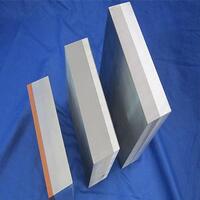
2. Choosing the Right Metal Clad Type
Not all metal cladding is created equal. Your choice depends on climate, budget, and design goals. Popular options include:
- Corten steel siding: Rustic, self-protecting finish; ideal for modern industrial looks (note: corten siding cost can be higher than standard steel).
- Zinc metal siding or zinc clad roof: Develops a soft patina over time; excellent corrosion resistance.
- Aluminum clad steel: Lightweight and rust-resistant; great for coastal areas.
- Colorbond standing seam or PAC CLAD standing seam roof: Pre-painted, durable, and available in dozens of colors.
- Exterior corrugated metal siding: Affordable and easy to install; commonly used on metal clad sheds and modern homes.
Also consider clad metals like stainless clad aluminum or titanium clad for high-performance applications, though these are less common in residential builds.
3. Preparing the Wall Surface
Before installing any metal clad wall system, ensure your substrate is sound, level, and moisture-resistant. Most metal siding requires a rainscreen gap—a small air space behind the cladding—to allow moisture to escape and prevent rot or mold.
Install a weather-resistant barrier (like housewrap) over sheathing, then add vertical furring strips if needed to create that critical drainage plane. This step is non-negotiable for long-term performance, especially with steel facade or copper siding installations.
4. Installing Metal Clad Siding
Installation varies slightly by product, but general best practices apply:
- Start at the bottom: Use a level line to align your first panel. For standing seam systems like PAC CLAD HWP or vertical standing seam metal siding, panels lock together vertically.
- Fasten correctly: Use corrosion-resistant fasteners designed for your specific metal type. Over-tightening can distort panels or compromise seals.
- Allow for expansion: Metals expand and contract with temperature changes. Leave slight gaps at joints or use slotted holes as recommended by the manufacturer.
- Trim details matter: Use matching accessories like PAC CLAD coping, column covers, or corner trims for a clean finish.
For corrugated steel facade or metal weatherboard styles, overlap panels according to the manufacturer’s specs—usually 1–2 corrugations—to ensure water runs off properly.
5. Handling Electrical and Penetrations
If running metal clad electrical wire through a metal clad wall, use proper fittings like MC connectors rated for outdoor or damp locations. Seal all penetrations (for vents, pipes, etc.) with compatible flashing and sealant to maintain the weather barrier.
Note: Aluminum clad pipe insulation or metal clad insulation should be installed behind the cladding only if part of a complete thermal envelope strategy—not as a substitute for proper wall insulation.
6. Maintenance and Longevity Tips
One major perk of a metal clad building is low upkeep—but it’s not zero maintenance. Here’s how to keep it looking sharp:
- Rinse annually with water to remove dust, pollen, or salt (especially near oceans).
- Inspect fasteners and seams every 2–3 years; tighten or replace if loose or corroded.
- For painted systems like Colorbond or PAC CLAD, touch up scratches promptly to prevent rust underneath.
- Corten steel siding requires no painting but may stain adjacent surfaces during its initial rusting phase—plan landscaping accordingly.
Avoid abrasive cleaners or pressure washers on softer metals like copper siding or zinc facade—they can damage finishes.
7. Common Mistakes to Avoid
- Skipping the rainscreen: Trapped moisture leads to hidden damage.
- Mixing incompatible metals: Galvanic corrosion can occur if, say, aluminum touches untreated steel. Use isolation tapes or coatings when necessary.
- Ignoring local codes: Some areas restrict certain metal types or require fire-rated assemblies for metal clad buildings.
- Underestimating waste: Order 10–15% extra material for cuts, mistakes, and future repairs.
8. Cost Considerations
While upfront costs for materials like corten steel siding cost more than vinyl, metal cladding often pays off over time due to its 40–70+ year lifespan. Basic corrugated steel facade might run $5–$9/sq.ft., while premium options like zinc clad dormer panels can exceed $15/sq.ft. Labor costs vary, but DIY-savvy homeowners can save significantly on simpler systems like exterior corrugated metal siding.
9. Conclusion
Installing metal clad siding correctly transforms your home into a modern, resilient structure that stands out—literally and figuratively. By selecting the right clad metal meaning for your project (whether aluminum clad steel, corten, or zinc), preparing the wall properly, and following smart installation practices, you’ll enjoy a stunning metal clad house that weathers decades of sun, rain, and wind with minimal fuss.
Our Website founded on October 17, 2012, is a high-tech enterprise committed to the research and development, production, processing, sales and technical services of ceramic relative materials such as How. Our products includes but not limited to Boron Carbide Ceramic Products, Boron Nitride Ceramic Products, Silicon Carbide Ceramic Products, Silicon Nitride Ceramic Products, Zirconium Dioxide Ceramic Products, etc. If you are interested, please feel free to contact us.