
1. Introduction
In the past 48 hours, new revisions to the International Building Code (IBC) have emphasized fire-resistant exterior cladding in wildfire-prone regions—putting metal clad systems like corrugated steel facade and zinc clad roofs in the spotlight. Homeowners are increasingly turning to metal clad siding not just for its modern aesthetic but also for durability, sustainability, and compliance with updated safety standards.
Whether you’re building a new metal clad building or retrofitting an older home with steel clad or copper siding, understanding how to properly install and maintain your system is crucial. This guide breaks down the entire process—from selecting the right clad metal meaning for your climate to troubleshooting common installation errors.
2. Choosing the Right Metal Clad Type
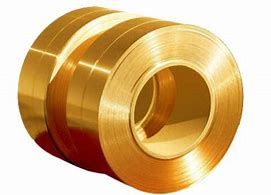
Not all metal cladding is created equal. The term ‘clad metals’ refers to composite materials where a base metal (like mild steel plate) is bonded with a corrosion-resistant layer such as stainless steel, aluminum, or zinc. Popular options include:
- Corten steel siding: Known for its rust-like appearance and self-protecting patina; ideal for modern metal clad houses.
- Zinc metal siding: Offers a sleek, matte finish and excellent longevity; often used in zinc clad dormers or facades.
- Aluminum clad steel: Lightweight and resistant to salt corrosion—perfect for coastal areas.
- Colorbond standing seam or PAC CLAD standing seam roof panels: Pre-finished, durable, and available in dozens of colors.
When comparing corten siding cost versus alternatives, remember that upfront pricing (e.g., corten steel siding cost per sq ft) may be higher, but maintenance savings over decades often justify the investment.
3. Step-by-Step Installation Guide
3.1. Prepare the Wall Substrate
Ensure your wall structure is flat, dry, and structurally sound. Install a weather-resistive barrier (WRB) like housewrap over sheathing. For metal clad wall systems, proper drainage behind the cladding is essential to prevent moisture buildup.
3.2. Install Furring Strips or Rainscreen System
Vertical furring strips (typically wood or metal) create an air gap between the WRB and the metal panels. This promotes airflow, reduces condensation, and extends the life of your metal facade.
3.3. Measure and Cut Panels
Use metal sheet cutting tools like aviation snips or a circular saw with a metal-cutting blade. Always wear PPE. For precision, mark cuts on aluminum clad sheet or stainless steel plate using a straight edge.
3.4. Attach Panels Securely
Start at the bottom and work upward. Use corrosion-resistant fasteners compatible with your metal type (e.g., stainless screws for zinc or copper). For vertical standing seam metal siding, follow manufacturer specs for clip spacing—often every 12–24 inches.
Avoid over-tightening, which can distort panels or compromise the finish. Systems like PAC CLAD HWP or PAC CLAD coping require specific fastening patterns—consult technical guides from Steel Clad Inc or similar suppliers.
4. Common Problems and Solutions
4.1. Oil Canning (Waviness in Flat Panels)
This visual distortion occurs due to thermal expansion or improper fastening. Solution: Use stiffened panels, add more support clips, or choose textured finishes like perforated plate or diamond plate steel sheets.
4.2. Galvanic Corrosion
Occurs when dissimilar metals (e.g., aluminum clad stainless steel touching copper) contact in moist conditions. Prevent it by using isolation tapes or non-conductive spacers.
4.3. Scratches or Paint Damage
For pre-finished systems like Colorbond or PAC CLAD column covers, touch up with manufacturer-approved paint. Never use abrasive cleaners on corten or zinc surfaces—they disrupt protective patinas.
5. Maintenance Tips for Longevity
Metal clad exteriors are low-maintenance but not zero-maintenance. Rinse annually with water to remove salt, pollen, or pollutants. Inspect fasteners and seals every 2–3 years. For aluminum diamond tread plate or stainless steel checker plate accents, clean with mild soap—avoid chlorine-based cleaners.
If you’ve used exterior corrugated metal siding near trees, check for sap or tannin stains; these can etch finishes if left untreated.
6. Safety and Code Considerations
Always verify local building codes. In many U.S. states—including Pennsylvania—metal clad electrical wire (MC cable) is permitted in commercial buildings, but exterior runs require UV-rated jackets or conduit protection. Similarly, metal clad insulation must meet fire and R-value requirements.
Remember: ‘Metal clad meaning’ in construction usually refers to architectural cladding, not wiring—so clarify context when sourcing materials like aluminum clad pipe insulation versus metal clad siding.
7. Conclusion
Installing metal clad siding correctly transforms your home into a striking, resilient structure that stands up to weather, fire, and time. By selecting the right clad metal type—whether it’s a corten steel facade, zinc clad roof, or aluminum clad steel—and following best practices for installation and care, you’ll enjoy decades of performance with minimal upkeep. As building codes evolve toward safer, greener materials, metal clad houses are no longer just stylish—they’re smart.
Our Website founded on October 17, 2012, is a high-tech enterprise committed to the research and development, production, processing, sales and technical services of ceramic relative materials such as How. Our products includes but not limited to Boron Carbide Ceramic Products, Boron Nitride Ceramic Products, Silicon Carbide Ceramic Products, Silicon Nitride Ceramic Products, Zirconium Dioxide Ceramic Products, etc. If you are interested, please feel free to contact us.