
1. Introduction
In the past 48 hours, global architecture forums have buzzed with excitement over Copenhagen’s newly unveiled ‘Green Spiral’—a mixed-use building wrapped in a dynamic zinc facade that shifts color with weather and light. This project exemplifies the growing demand for sustainable, low-maintenance, and visually striking metal clad exteriors. As architects and engineers increasingly prioritize durability and environmental performance, understanding the nuances of metal clad systems has never been more critical.
Metal clad isn’t just a buzzword—it’s a versatile engineering and design solution spanning everything from skyscraper facades to underground electrical conduits. But what exactly does ‘metal clad’ mean? At its core, the term refers to materials or structures where one metal is bonded—mechanically, metallurgically, or through lamination—to another to combine desirable properties like corrosion resistance, strength, conductivity, or aesthetics. Whether you’re looking at a steel clad house with vertical standing seam metal siding or aluminum clad pipe insulation in an industrial plant, the principles of performance optimization remain consistent.
2. Understanding Clad Metal Meaning and Core Concepts
The phrase ‘clad metal meaning’ often confuses newcomers. Simply put, clad metals are composites: a base metal (like carbon steel) is covered with a thin layer of a more resilient or functional metal (such as stainless steel, copper, or titanium). This hybrid approach delivers cost efficiency without sacrificing performance. For instance, aluminum clad stainless steel retains the structural integrity of steel while gaining aluminum’s lightweight and anti-corrosive traits—ideal for aerospace or marine environments.
Common fabrication methods include roll bonding, explosion bonding, and electroplating. Chromium electroplating, for example, deposits a hard, shiny chromium plate onto steel components for wear resistance, while electroless nickel offers uniform coating even on complex geometries. These techniques enable tailored solutions across industries—from boiler plate steel in power plants to diamond plate steel sheets used for slip-resistant flooring.
3. Architectural Metal Clad Systems: Facades, Roofs, and Siding
3.1. Steel and Corten Solutions

Corten steel facade systems have surged in popularity due to their self-weathering rust patina, which eliminates the need for painting. A corten steel siding cost typically ranges higher than standard galvanized options, but lifecycle savings offset initial investment. Designers favor corten for its raw, organic aesthetic—seen in everything from urban art installations to steel clad houses in mountainous regions. However, runoff staining on adjacent surfaces remains a key consideration during installation.
Corrugated steel facade panels and exterior corrugated metal siding offer rugged charm and rapid installation. Paired with modern finishes like Colorbond standing seam or PAC CLAD HWP (High Weather Performance), these systems deliver both style and storm resilience. Standing seam siding—especially vertical standing seam metal siding—provides clean lines and superior water shedding, making it a staple in contemporary metal clad buildings.
3.2. Zinc, Copper, and Aluminum Alternatives
Zinc metal siding and zinc clad roof systems are prized for longevity (60–100 years) and recyclability. The zinc clad dormer is a rising trend in European renovations, blending heritage aesthetics with modern sustainability. Similarly, copper siding develops a distinctive green patina over time, adding timeless elegance—but at a premium price.
Aluminum clad sheet and aluminium clad steel dominate lightweight applications. Aluminum diamond tread plate and aluminium checker plate (often 3mm thick) serve dual roles as cladding and safety surfacing. For coastal climates, aluminum’s resistance to salt corrosion makes it ideal for metal weatherboard or PAC CLAD column covers and coping details.
4. Industrial and Technical Metal Clad Applications
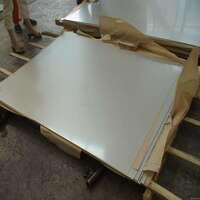
Beyond architecture, metal clad plays a vital role in infrastructure. Metal clad electrical wire—also called MC cable—features an interlocked armor sheath for mechanical protection, commonly used in commercial buildings (including in Pennsylvania, where codes permit surface-mounted runs). Aluminum clad steel wire and cu clad wire enhance conductivity while reducing material costs.
In piping, aluminum clad pipe insulation protects against thermal loss and physical damage. Meanwhile, alloy clad materials like 2024-T3 clad aluminum or 7075-T6 clad plates combine high strength with corrosion resistance for aerospace frames. Nickel brass clad copper and cupro nickel clad variants serve in marine heat exchangers, leveraging copper’s thermal properties with nickel’s durability.
Specialized plates—such as chrome carbide overlay plates for mining equipment or Inconel 625 weld overlay for chemical reactors—show how clad technology extends into extreme environments. Even mild steel plate can be upgraded via cladding to perform like stainless steel, offering a smart alternative when full stainless plate budgets are prohibitive.
5. Material Selection and Cost Considerations
Choosing the right metal clad type depends on environment, budget, and function. Stainless steel plate grades (e.g., 316L vs. 304L) affect corrosion resistance in marine settings. For DIY builders seeking steel plate near me, thickness matters: 1/8 inch steel plate suits light framing, while 3/16 or 1/4 steel plate handles heavy loads.
While corten siding cost may deter some, alternatives like zinc coated steel or perforated plate screens offer visual interest at lower price points. Always compare lifecycle value—not just upfront steel plate price—especially for metal clad sheds or industrial enclosures exposed to harsh elements.
6. Conclusion
From the sleek zinc facade of Copenhagen’s Green Spiral to the rugged reliability of metal clad wire in commercial circuits, metal clad technology bridges form and function across countless domains. Whether you’re specifying a corten steel plate for an art museum or selecting aluminum clad stainless steel for a chemical plant, understanding the clad metal meaning and available options empowers smarter, more sustainable decisions. As innovation continues—driven by demands for resilience, efficiency, and beauty—metal clad remains not just relevant, but revolutionary.
Our Website founded on October 17, 2012, is a high-tech enterprise committed to the research and development, production, processing, sales and technical services of ceramic relative materials such as Metal. Our products includes but not limited to Boron Carbide Ceramic Products, Boron Nitride Ceramic Products, Silicon Carbide Ceramic Products, Silicon Nitride Ceramic Products, Zirconium Dioxide Ceramic Products, etc. If you are interested, please feel free to contact us.