1. Introduction
In the past 48 hours, architects and builders have been buzzing about a new sustainable housing project in Portland that features a striking corten steel facade paired with vertical standing seam metal siding—a bold example of how metal clad design is reshaping eco-conscious construction. This surge in interest highlights the growing relevance of metal clad systems not just for durability, but for aesthetic innovation.
So, what exactly does ‘metal clad‘ mean? At its core, metal clad refers to any structure, component, or surface that’s covered or layered with metal—either for protection, performance, or visual appeal. Whether it’s a metal clad house wrapped in corrugated steel, an aluminum clad pipe insulation system, or even metal clad electrical wire running through commercial buildings, the term spans a surprisingly wide range of applications.
2. Understanding Clad Metals
2.1. Clad Metal Meaning and Basics
The phrase ‘clad metal meaning’ often confuses newcomers, but it’s straightforward: clad metals are composite materials made by bonding two or more different metals together. This process enhances properties like corrosion resistance, strength, or conductivity without the full cost of using a premium metal throughout.
Common combinations include aluminum clad stainless steel (used in cookware and aerospace), stainless clad aluminum (for heat exchangers), and titanium clad plates (in chemical processing). Even everyday items like cu clad wire or aluminum clad steel wire rely on this principle for better performance.
2.2. Manufacturing Methods
Cladding can be achieved through roll bonding, explosion bonding, or electroplating. Chromium electroplating, for instance, creates a hard, shiny chromium plate layer over steel for automotive trim. Electroless nickel plating offers uniform coatings for complex parts, while gold coating is used in high-end electronics.
3. Architectural Uses of Metal Clad Systems
3.1. Metal Clad Walls and Facades
One of the most visible applications is the metal clad wall. Designers increasingly choose materials like zinc facade panels, copper siding, or corrugated steel facade systems for their longevity and modern look. The corten steel facade has become especially popular—it weathers naturally to form a rust-like patina that actually protects the underlying steel.
Corten steel siding cost typically ranges from $8 to $15 per square foot installed, making it a premium—but long-lasting—choice. Alternatives like zinc metal siding or aluminum clad sheet offer similar aesthetics with different maintenance profiles.
3.2. Roofs and Dormers
A metal clad roof isn’t just functional—it’s stylish. Options include colorbond standing seam, pac clad standing seam roof systems, and zinc clad roof panels. These provide excellent water runoff, fire resistance, and decades of service life.
Even small architectural features benefit: a zinc clad dormer adds texture and contrast to rooftops, while pac clad coping and pac clad column covers deliver clean, seamless transitions at edges and joints.
3.3. Residential Applications
The metal clad house trend is growing, especially among minimalist and industrial-style homeowners. Exterior corrugated metal siding, vertical standing seam metal siding, and metal weatherboard all offer low-maintenance exteriors that age gracefully. Steel clad houses, often built with steel plate frames and clad exteriors, combine strength with sleek design.
4. Industrial and Technical Applications
4.1. Metal Clad Wiring and Electrical Systems
In electrical work, metal clad electrical wire (often called MC cable) features insulated conductors wrapped in a flexible metal sheath—usually aluminum or steel. It’s widely used in commercial buildings, including in Pennsylvania, where code allows surface-mounted installations when properly secured.
Aluminum clad steel wire and aluminum clad wire are also common in grounding and communication lines due to their conductivity-to-cost ratio.
4.2. Insulation and Piping
Aluminum clad pipe insulation wraps thermal insulation in a reflective metal jacket, improving energy efficiency in HVAC and industrial systems. Similarly, metal clad insulation is used in boilers and ducts to reduce heat loss and protect against physical damage.
4.3. Structural and Specialty Plates
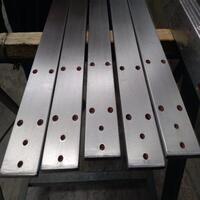
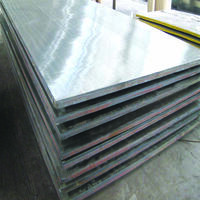
Beyond cladding, raw metal plates play a role in clad systems. Mild steel plate, corten steel plate, and stainless steel plate (including grades like 316L or 904L) serve as substrates for cladding or standalone structural elements. Diamond plate steel, checker plate metal sheet, and aluminum tread plate add slip resistance to walkways and vehicles.
Thick steel plate, carbon steel plate, and alloy plate types like 6061-T6 aluminum or Inconel 718 are selected based on load, environment, and corrosion needs. Prices vary widely—steel plate for sale near you might cost $0.50–$2.00 per pound depending on thickness (e.g., 1/8 inch steel plate vs. 3/16 steel plate).
5. Material Innovations and Trends
New alloy clad composites are pushing boundaries. Examples include 2024-T3 clad aluminum for aircraft, copper nickel clad for marine hardware, and Inconel 625 weld overlay for extreme environments. These hybrid materials merge the best traits of each metal—like the strength of steel with the corrosion resistance of nickel alloys.
Sustainability is also driving change. Recyclable metals like aluminum and zinc reduce lifecycle impacts, while self-protecting surfaces like corten eliminate the need for paint or sealants.
6. Conclusion
From the sleek lines of a steel facade to the hidden reliability of metal clad wiring, the concept of ‘metal clad’ bridges form and function across countless industries. Whether you’re choosing corten siding for your home, specifying pac clad hwp for a commercial roof, or selecting stainless clad aluminum for an industrial heat exchanger, understanding clad metals empowers smarter, longer-lasting decisions. As materials science advances and design trends evolve, metal clad solutions will only become more versatile—and more essential.
Our Website founded on October 17, 2012, is a high-tech enterprise committed to the research and development, production, processing, sales and technical services of ceramic relative materials such as Metal. Our products includes but not limited to Boron Carbide Ceramic Products, Boron Nitride Ceramic Products, Silicon Carbide Ceramic Products, Silicon Nitride Ceramic Products, Zirconium Dioxide Ceramic Products, etc. If you are interested, please feel free to contact us.