
1. Introduction
When you hear ‘metal clad,’ you might picture a sleek modern house wrapped in rust-colored corten steel siding or a warehouse with corrugated steel facade panels. But metal clad is far more than just an aesthetic—it’s a versatile engineering solution used across construction, electrical systems, and industrial manufacturing.
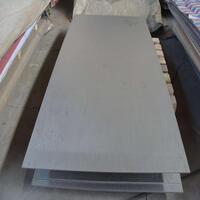
In this deep-dive analysis, we’ll unpack what ‘metal clad’ really means, compare different clad metal types, and explore where each shines—whether it’s a standing seam metal siding on a luxury home or aluminum clad pipe insulation in a chemical plant.
2. What Does Metal Clad Mean?
The term ‘metal clad’ (or ‘metalclad’) refers to a composite material made by bonding two or more layers of different metals. This process enhances performance—combining corrosion resistance, strength, conductivity, or cost-efficiency in one product.
Clad metal meaning isn’t limited to architecture. It also applies to electrical wiring (metal clad electrical wire), piping (aluminum clad pipe insulation), and even cookware. But in construction, ‘metal clad’ most often describes exterior surfaces like metal clad walls, roofs, or entire metal clad buildings.
3. Common Types of Clad Metals in Construction
3.1 Steel-Based Clad Systems
Steel remains the backbone of many metal clad applications. Corten steel plate is prized for its weathering properties—forming a stable rust layer that eliminates the need for painting. A corten steel facade offers dramatic visual texture and low maintenance, though corten siding cost can be high ($8–$15 per sq. ft.).
Other popular options include corrugated steel facade panels and standing seam siding made from galvanized or colorbond standing seam sheets. Steel clad houses often use vertical standing seam metal siding for clean, modern lines.
3.2 Aluminum and Zinc Cladding
Aluminum clad steel combines the lightness of aluminum with steel’s strength. You’ll find it in aluminum clad sheet form for roofing or wall panels. Zinc metal siding and zinc clad roof systems offer self-healing patinas and exceptional longevity—ideal for high-end projects like a zinc clad dormer.
Zinc is softer than steel but resists corrosion without coatings. It’s often used alongside pac clad standing seam roof systems, which may include pac clad coping or pac clad column covers for seamless architectural integration.
3.3 Copper and Specialty Alloys
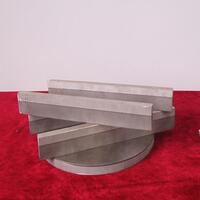
Copper siding delivers unmatched elegance and antimicrobial properties, aging gracefully to a green patina. For extreme environments, titanium clad or inconel 625 weld overlay plates provide heat and corrosion resistance—common in aerospace or chemical processing.
Hybrid solutions like aluminum clad stainless steel or stainless clad aluminum merge the best of both worlds: stainless durability with aluminum’s weight savings.
4. Metal Clad in Electrical and Industrial Contexts
Beyond facades, ‘metal clad’ appears in technical fields. Metal clad wire—such as cu clad wire or aluminum clad steel wire—is used in power transmission for its conductivity-to-cost ratio.
In piping, aluminum clad pipe insulation protects against thermal loss and mechanical damage. Meanwhile, metal clad insulation wraps ducts or tanks in industrial settings.
- Metal clad electrical wire is often armored for safety in commercial buildings.
- Aluminum clad stainless steel tubing resists both oxidation and stress cracking.
5. Performance Comparison: Which Clad Metal Wins?
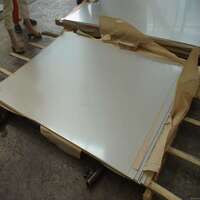
Durability: Corten steel plate and stainless steel plate (especially 316L or 904L grades) lead in harsh climates. Stainless metal sheet options like 316 stainless steel plate price higher but last decades.
Cost Efficiency: Mild steel plate or 1/8 inch steel plate coated with zinc (zinc coated or galvanized) offers budget-friendly solutions for sheds or metal clad sheds.
Aesthetics: Copper siding and zinc facade systems age beautifully; corten steel siding delivers bold, industrial character.
Weight: Aluminum diamond plate or 6061 T6 aluminum plate reduces structural load—ideal for upper floors or retrofits.
6. Installation and Practical Considerations
Choosing the right metal clad type depends on climate, budget, and design goals. A steel clad building in a coastal area should avoid untreated carbon steel plate—opt instead for stainless clad aluminum or alloy clad panels.
For roofing, pac clad hwp (high-wind performance) systems outperform standard corrugated options in storm-prone zones. Always consider ventilation—yes, a metal clad roof does need proper airflow to prevent condensation.
When cutting metal sheet or plate (like 3/16 steel plate or aluminum 5052 sheet), use appropriate tools to avoid burrs or coating damage. Diamond plate steel sheets add slip resistance for walkways or ramps.
7. Conclusion
From the rugged charm of a corten steel siding to the refined sheen of a copper-clad dormer, metal clad systems blend function and form like few other building materials. Understanding clad metal meaning—and the differences between aluminum clad steel, stainless plate, titanium plate, or zinc nickel alloy overlays—empowers architects, builders, and homeowners to make smarter, longer-lasting choices.
Whether you’re designing a steel clad house, insulating pipes with aluminum clad insulation, or selecting metal clad wire for a commercial project in Pennsylvania, the right clad metal balances performance, aesthetics, and value.
Our Website founded on October 17, 2012, is a high-tech enterprise committed to the research and development, production, processing, sales and technical services of ceramic relative materials such as Metal. Our products includes but not limited to Boron Carbide Ceramic Products, Boron Nitride Ceramic Products, Silicon Carbide Ceramic Products, Silicon Nitride Ceramic Products, Zirconium Dioxide Ceramic Products, etc. If you are interested, please feel free to contact us.