
1. Introduction
In the past 48 hours, a new industry report from Grand View Research revealed that the global metal cladding market is projected to grow at a CAGR of 6.2% through 2030, driven by rising demand for sustainable, fire-resistant, and low-maintenance building envelopes. This surge aligns with architects and builders increasingly specifying metal clad solutions for everything from residential homes to industrial sheds.
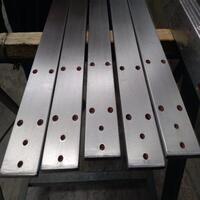
But what exactly does ‘metal clad‘ mean? At its core, metal clad refers to materials or structures where one metal is bonded—mechanically or metallurgically—to another to combine desirable properties like corrosion resistance, strength, aesthetics, or cost-efficiency. Whether it’s a sleek corten steel facade aging gracefully or an aluminum-clad pipe insulation system in a chemical plant, metal clad technologies are everywhere.
2. Understanding Clad Metal Meaning and Varieties
The term ‘clad metals‘ describes composite materials made by bonding two or more metal layers. Common combinations include aluminum-clad stainless steel, stainless-clad aluminum, titanium clad, and copper-nickel clad. These hybrids leverage the best traits of each metal—for instance, stainless steel’s durability paired with aluminum’s light weight.
In construction, ‘metal clad‘ often refers to exterior systems like metal clad wall panels, metal clad roofing, or metal clad siding. Popular choices include corrugated steel facade panels, vertical standing seam metal siding, and zinc metal siding. Each offers unique visual and functional benefits.
- Corten steel siding delivers a rustic, self-protecting rust patina and is favored for modern metal clad houses.
- Zinc clad roof and zinc clad dormer systems offer longevity (up to 100 years) and a soft, matte finish that evolves over time.
- Copper siding provides unmatched elegance and antimicrobial properties but comes at a premium cost.
3. Architectural Applications: From Facades to Roofs

Architects today use metal clad systems not just for protection but as design statements. The steel facade has become a hallmark of industrial-chic aesthetics, especially when using corrugated steel facade panels or standing seam facade systems. Colorbond standing seam and PAC CLAD HWP profiles are go-to choices for commercial projects due to their clean lines and weather-tight performance.
Residential builds also benefit. A steel clad house might feature exterior corrugated metal siding for rugged charm, while others opt for PAC CLAD column covers or coping for refined detailing. For those seeking warmth, metal weatherboard or aluminum diamond tread plate accents add texture without sacrificing durability.
Cost considerations matter too. Corten siding cost typically ranges from $7 to $12 per square foot installed, higher than standard steel but justified by its zero-maintenance aging process. Meanwhile, aluminum clad sheet and stainless steel metal plate options serve high-end custom builds where longevity trumps upfront expense.
4. Industrial and Electrical Uses of Metal Clad Materials
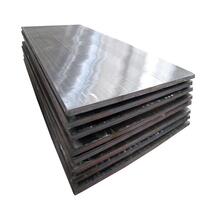
Beyond architecture, metal clad plays a critical role in industrial contexts. Clad steel—such as boiler plate steel or carbon steel plate with a stainless overlay—is used in pressure vessels and chemical processing equipment to resist corrosion while maintaining structural integrity.
In electrical systems, metal clad wire (including aluminum clad steel wire and Cu clad wire) provides enhanced conductivity and mechanical strength. Metal clad electrical wire is commonly used in commercial buildings, including in Pennsylvania, where local codes permit its surface-mounted installation in certain settings.
Aluminum clad pipe insulation, though less visible, is vital in HVAC and petrochemical plants, offering thermal efficiency with a protective metallic shell. Similarly, alloy clad materials like 2024-T3 clad or 7075-T6 clad aluminum plates are standard in aerospace for their fatigue resistance and lightweight properties.
5. Material Comparisons and Performance Factors
Not all metal clad systems are equal. Aluminum-clad steel combines affordability with decent corrosion resistance, while stainless clad aluminum offers superior hygiene—ideal for food processing. Titanium clad excels in extreme environments like desalination plants but carries a high price tag.
When selecting a metal clad type, consider climate, maintenance goals, and lifecycle costs. Zinc-coated or galvanized steel plate may suffice for a metal clad shed, but a coastal metal clad building demands marine-grade alloys like 316 stainless steel plate or Inconel 625 weld overlay for salt resistance.
For DIYers and contractors, understanding specs matters: 1/8 inch steel plate vs. 3/16 metal plate affects load capacity; diamond plate steel sheets add slip resistance; perforated plate allows airflow in screen walls. Even small details—like choosing PAC CLAD standing seam roof over traditional corrugated—impact water shedding and thermal movement.
6. Conclusion
Metal clad isn’t just a trend—it’s a versatile, evolving solution bridging form and function across industries. From the raw beauty of a corten steel plate facade to the precision of aluminum-clad stainless steel in high-tech piping, clad metals solve real-world challenges. As sustainability and resilience drive construction decisions, expect metal clad systems to remain at the forefront of innovation.
Our Website founded on October 17, 2012, is a high-tech enterprise committed to the research and development, production, processing, sales and technical services of ceramic relative materials such as Metal. Our products includes but not limited to Boron Carbide Ceramic Products, Boron Nitride Ceramic Products, Silicon Carbide Ceramic Products, Silicon Nitride Ceramic Products, Zirconium Dioxide Ceramic Products, etc. If you are interested, please feel free to contact us.