
1. Introduction
When you hear ‘metal clad,’ your mind might jump to electrical wiring or industrial piping. But in today’s architecture, metal clad has evolved into a sophisticated design language—one that blends aesthetics, resilience, and innovation. From corten steel siding on luxury residences to zinc clad dormers on eco-conscious commercial buildings, specialty clad metals are redefining what’s possible in exterior design.
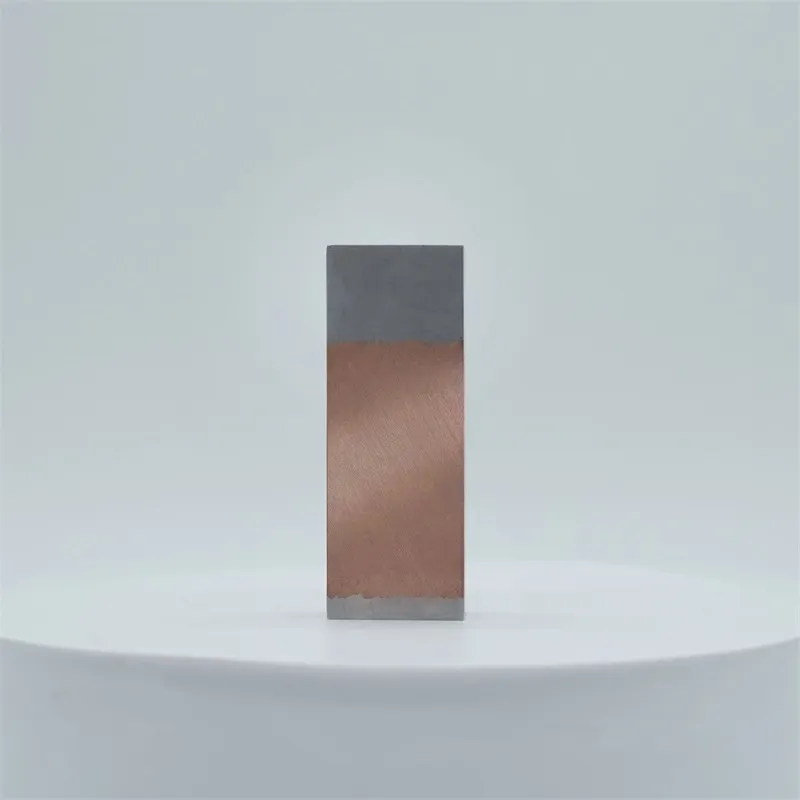
Unlike generic cladding, niche metal clad solutions—like aluminum clad stainless steel, titanium clad panels, or pac clad standing seam roofs—are engineered for performance under extreme conditions. They’re not just about looks; they’re about longevity, thermal efficiency, and structural integrity. Let’s dive into how these advanced materials are being used in real-world, high-stakes architectural projects.
2. The Rise of Specialty Metal Clad Facades
Architects and builders are increasingly turning to clad metals not just for visual drama but for functional superiority. A metal facade made from corten steel, for example, develops a self-protecting rust patina that eliminates the need for painting—ideal for low-maintenance urban installations. Similarly, a zinc facade offers natural corrosion resistance and a sleek, evolving finish that ages gracefully over decades.
2.1. Corten Steel: Beauty in Weathering

Corten steel siding has surged in popularity for both residential and institutional projects. Its raw, earthy tone complements natural landscapes while providing exceptional durability. Though corten siding cost can be higher than standard steel—typically $8–$15 per square foot installed—the long-term savings in maintenance make it a smart investment. Designers often use corten steel plate in vertical standing seam metal siding configurations to enhance drainage and visual rhythm.
2.2. Zinc and Copper: Timeless Elegance with Performance
Zinc metal siding and copper siding are prized for their antimicrobial properties and recyclability. A zinc clad roof or zinc clad dormer not only resists algae and mold but also reflects heat, reducing cooling loads. Copper, though more expensive, develops a distinctive green patina that signals heritage and craftsmanship. Both materials are commonly fabricated from thin-gauge clad metal sheets, sometimes backed with insulation for improved thermal performance—enter metal clad insulation systems.
3. Advanced Clad Metal Composites in Demanding Environments
Beyond pure metals, alloy clad systems are unlocking new possibilities. Take aluminum clad steel: a lightweight yet strong composite where an aluminum skin protects a steel core from corrosion. Or consider stainless clad aluminum—a hybrid used in coastal buildings where salt spray would eat through standard metals. These aren’t just theoretical; companies like Steel Clad Inc. and PAC Clad leverage such materials in column covers, coping, and HWP (high-wind-performance) roofing systems.
3.1. The Science Behind Clad Metals
So, what is clad metal meaning exactly? Clad metals are created by bonding two or more metal layers—often through roll bonding, explosion welding, or electroplating—to combine the best properties of each. For instance, 2024 T3 clad aluminum features a corrosion-resistant pure aluminum layer over a high-strength 2024 core, ideal for aerospace—but now adapted for architectural skins. Similarly, inconel 625 weld overlay or chrome carbide overlay plates protect industrial structures, while nickel brass clad copper finds use in decorative yet durable nameplates and trim.
3.2. Electrical and Structural Integration
Even in non-aesthetic roles, metal clad shines. Aluminum clad wire and metal clad electrical wire are standard in commercial builds for fire resistance and grounding. Meanwhile, metal clad buildings—like sheds or warehouses—use corrugated steel facade panels or exterior corrugated metal siding for rapid assembly and storm resilience. And let’s not forget metal steel plate bases: thick carbon steel plate or 316 stainless steel plate often anchors these structures, ensuring stability against wind and seismic loads.
4. Practical Considerations: Cost, Installation, and Sustainability
Choosing the right metal clad type depends on climate, budget, and design intent. Colorbond standing seam and PAC Clad standing seam roof systems offer factory-finished color options with warranties up to 30 years. For DIY-friendly projects, vertical standing seam metal siding simplifies installation compared to traditional metal weatherboard.
- Corten steel siding cost vs. zinc clad: Corten may be cheaper upfront, but zinc lasts longer in humid climates.
- Aluminum clad sheet vs. stainless steel metal plate: Aluminum wins on weight; stainless on scratch resistance.
- Always verify local codes—some jurisdictions restrict bare corten near concrete due to runoff staining.
5. Conclusion
Metal clad is far more than a construction buzzword—it’s a gateway to smarter, bolder, and more sustainable architecture. Whether it’s a steel clad house wrapped in perforated plate screens or a commercial tower sheathed in a titanium clad rainscreen, these materials prove that form and function can coexist beautifully. As alloy technology advances and costs stabilize, expect to see even more innovative uses of clad metals—from diamond plate steel accents to electroless nickel-coated detailing—reshaping skylines worldwide.
Our Website founded on October 17, 2012, is a high-tech enterprise committed to the research and development, production, processing, sales and technical services of ceramic relative materials such as Metal. Our products includes but not limited to Boron Carbide Ceramic Products, Boron Nitride Ceramic Products, Silicon Carbide Ceramic Products, Silicon Nitride Ceramic Products, Zirconium Dioxide Ceramic Products, etc. If you are interested, please feel free to contact us.