
1. Introduction
When you hear ‘metal clad,’ your mind might jump to electrical wiring or industrial piping. But in architecture and construction, metal clad has evolved into a sophisticated design language—one that blends engineering precision with bold visual impact. From corten steel siding that rusts gracefully to pac clad standing seam roofs that hug modern silhouettes, metal cladding is no longer just functional; it’s fashionable.
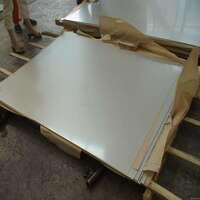
Today’s architects and builders are pushing boundaries with specialty metal facade systems that serve as both skin and statement. This article dives into the niche, high-performance applications of metal clad in contemporary architecture—where materials like zinc clad dormers, aluminum clad steel, and titanium clad panels aren’t just options—they’re essentials.
2. Beyond Basic Siding: The Rise of Premium Metal Clad Facades
Gone are the days when metal siding meant corrugated barn walls. Modern metal clad wall systems now feature vertical standing seam metal siding, stainless clad aluminum composites, and even copper siding that develops a rich patina over time. These materials aren’t chosen just for looks—they’re selected for longevity, low maintenance, and environmental resilience.
For example, a steel clad house in coastal regions might use aluminum clad sheet panels to resist salt corrosion, while an urban office opts for a corrugated steel facade with a matte black finish for industrial-chic appeal. The key? Understanding the clad metal meaning: it’s not solid metal throughout, but a layered system where a thin, high-performance outer layer (like zinc or titanium) is bonded to a structural core (often steel or aluminum).
3. Spotlight on Specialty Materials in Architectural Metal Cladding
Designers now mix and match clad metals to achieve specific performance and aesthetic goals. Here’s how some standout materials are being used:
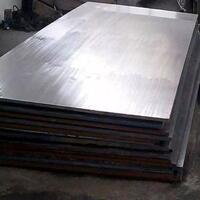
- Corten steel siding: Loved for its self-protecting rust layer, corten steel facade systems eliminate the need for painting. Though corten siding cost is higher upfront, its lifespan and zero-maintenance profile make it a smart long-term investment.
- Zinc metal siding: A favorite in Europe, zinc clad roof and wall systems age elegantly, shifting from shiny gray to soft blue-gray. Zinc clad dormers add subtle texture to minimalist homes.
- Copper siding: Rare but stunning, copper offers unmatched warmth and evolves into a green verdigris over decades—ideal for heritage-inspired modern builds.
- Aluminum clad steel: Combines the strength of steel with the corrosion resistance of aluminum. Often used in exterior corrugated metal siding for both sheds and luxury homes alike.
- PAC CLAD systems: Known for colorbond standing seam profiles, PAC CLAD HWP (High Weather Performance) panels and PAC CLAD column covers deliver seamless, clean lines with exceptional durability.
4. Engineering Meets Aesthetics: Structural and Technical Advantages
What makes these metal clad building systems so effective? It’s all in the bonding process. Techniques like roll bonding, explosion cladding, or electroplating fuse dissimilar metals—such as stainless steel plate to mild steel plate—creating hybrid materials that outperform their individual components.
Take aluminum clad stainless steel: it offers the weldability and strength of stainless with the lightweight, cost-effective backing of aluminum. Similarly, titanium clad plates provide extreme corrosion resistance for harsh environments without the full price tag of solid titanium.
Even insulation gets upgraded: aluminum clad pipe insulation and metal clad insulation wraps improve thermal efficiency while protecting against moisture and mechanical damage—critical in HVAC and industrial architecture.
5. Real-World Applications: From Steel Clad Inc. Projects to Custom Homes
Firms like Steel Clad Inc. specialize in turning raw metal plate—whether 1/8 inch steel plate, 3/16 metal plate, or thick carbon steel plate—into precision-engineered facade panels. These are cut using advanced metal sheet cutting tools to fit complex geometries, including curved walls or angular dormers.
In high-end residential builds, you’ll find zinc metal siding paired with vertical standing seam metal siding for dramatic contrast. Others opt for a full metal clad house wrapped in perforated plate or diamond plate steel sheets for added texture and shadow play.
And it’s not just walls—metal clad roofing has exploded in popularity. Options like zinc clad roof, colorbond standing seam, and PAC CLAD coping systems offer watertight performance with sleek, uninterrupted surfaces that shed rain and snow effortlessly.
6. Sustainability and Future Trends
Many clad metals are fully recyclable, and their long service life reduces replacement frequency—key for green building certifications. Innovations like alloy clad composites (e.g., 7075 T6 clad aluminum or copper nickel clad) are opening doors to lighter, stronger, and more sustainable envelopes.
As digital fabrication advances, expect more custom metal weatherboard profiles, laser-cut stainless metal sheet screens, and even smart metal cladding with integrated solar or thermal regulation.
7. Conclusion
Metal clad has transcended its utilitarian roots to become a cornerstone of avant-garde architecture. Whether it’s a corten steel plate anchoring a mountain retreat or a pac clad standing seam roof defining a downtown loft, these systems prove that performance and beauty can coexist. As material science evolves, the line between structure and skin continues to blur—ushering in a new era where every metal clad wall tells a story of innovation.
Our Website founded on October 17, 2012, is a high-tech enterprise committed to the research and development, production, processing, sales and technical services of ceramic relative materials such as Metal. Our products includes but not limited to Boron Carbide Ceramic Products, Boron Nitride Ceramic Products, Silicon Carbide Ceramic Products, Silicon Nitride Ceramic Products, Zirconium Dioxide Ceramic Products, etc. If you are interested, please feel free to contact us.