
Key takeaways
- Hot rolling is performed above the metal's recrystallization temperature; cold rolling at room temperature.
- Cold-rolled plates have superior surface finish and tighter dimensional tolerances.
- Hot-rolled plates are usually more ductile and cost-effective for structural applications.
- Cold-rolled plates are stronger but less ductile, ideal for precision and appearance-critical parts.
- The choice depends on required strength, surface quality, precision, and budget.
What Is the Difference Between Hot-Rolled and Cold-Rolled Metal Plates?
Hot-rolled and cold-rolled metal plates are distinguished by the processing temperature, which affects surface finish, dimensional accuracy, and mechanical properties. Hot rolling is performed at temperatures above the metal's recrystallization point, typically over 1,700°F for steel, while cold rolling is carried out at or near room temperature. This difference produces distinct characteristics that determine each material's suitability for different applications.
The table below summarizes the key differences across several dimensions, providing a quick reference for engineers and buyers selecting between the two types of plates.
In general, hot-rolled plates are more cost-effective and suitable for large structural components where surface finish is not critical, whereas cold-rolled plates offer superior precision and surface quality for finished products.
| Comparison Aspect | Hot-Rolled Metal Plates | Cold-Rolled Metal Plates |
|---|---|---|
| Processing Temperature | Above recrystallization temperature (e.g., ~1700°F for steel) | Room temperature or near (below recrystallization) |
| Surface Finish | Rough, with oxide scale often present | Smooth, scale-free, and clean |
| Dimensional Tolerance | Less precise (typical ±0.02–0.05 in.) | Very tight (typical ±0.005 in. or better) |
| Mechanical Strength | Lower yield strength, higher ductility | Higher yield strength, lower ductility (work-hardened) |
| Typical Applications | Structural beams, heavy machinery, shipbuilding | Auto panels, appliances, precision parts |
| Relative Cost | Lower (due to simpler process) | Higher (additional processing and tighter control) |
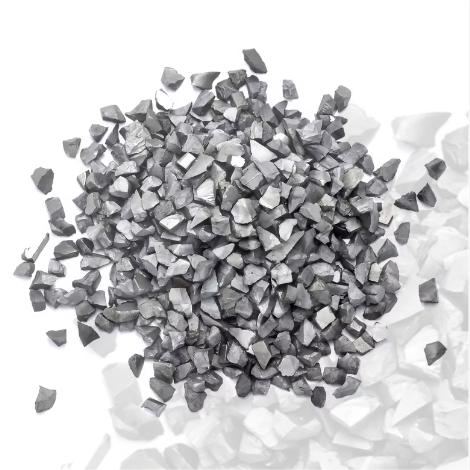
Processing Temperature: The Core Distinction
The defining difference between hot-rolled and cold-rolled metal plates is the temperature at which the metal is worked. Hot rolling occurs above the recrystallization temperature, which for steel and many alloy metal plates is around 1,700°F (927°C). At this high temperature, the metal is more malleable and can be reduced in thickness with less force. The process also refines the grain structure and eliminates internal stresses, but the resulting surface typically develops a layer of oxide scale.
Cold rolling, by contrast, is performed at room temperature or slightly elevated temperatures below the recrystallization point. The metal is already in its final shape from a previous hot-rolling step, and cold rolling further reduces thickness and improves surface finish. Because the metal is not heated, it experiences work hardening, which increases strength and hardness but may reduce ductility.
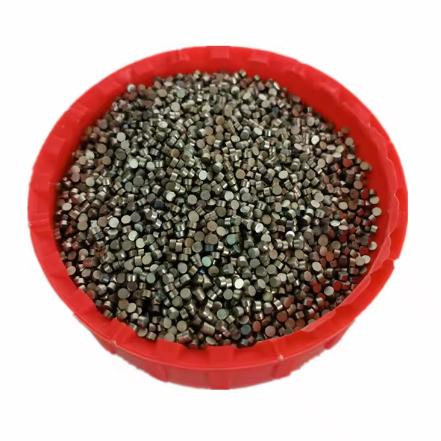
Surface Finish and Dimensional Accuracy
Surface finish is one of the most noticeable differences between the two processes. Hot-rolled plates have a rough, scaly surface due to oxidation at high temperatures. This scale can be removed by pickling or grinding, but it adds cost. Cold-rolled plates, on the other hand, have a smooth, clean surface without oxide scale, making them ideal for applications where appearance is important.
Dimensional accuracy also varies significantly. Hot-rolled plates have less precise thickness tolerances—typically ±0.02 to ±0.05 inches depending on the grade—because the metal shrinks as it cools. Cold-rolled plates can achieve much tighter tolerances, often within ±0.005 inches, because the process is done at room temperature and the final dimensions are more stable. This makes cold-rolled plates preferable for components that require exact fit.
Mechanical Properties and Typical Applications
The mechanical properties of hot-rolled and cold-rolled plates differ due to work hardening in cold rolling. Cold-rolled plates generally exhibit higher yield and tensile strength, but lower elongation (ductility). Hot-rolled plates have lower strength but better ductility and formability, making them easier to bend, weld, and machine.
Typical applications reflect these differences. Hot-rolled plates are commonly used in structural steelwork, shipbuilding, roll-bonded aluminum-steel composite panels, railway tracks, and heavy machinery where strength is adequate and surface finish is not critical. Cold-rolled plates are found in automotive body panels, appliances, furniture, precision instruments, and any product requiring a high-quality surface and tight tolerances.
The choice also depends on the specific metal alloy. For example, stainless steel, marine grade aluminium plates, and other aluminum plates behave differently under hot and cold rolling, so material specifications should always be consulted.
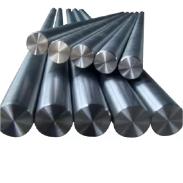
How to Choose Between Hot-Rolled and Cold-Rolled Plates
Selecting the right type of plate depends on the project's requirements for strength, surface quality, dimensional accuracy, and budget. If the primary need is structural integrity at minimal cost, hot-rolled plates are usually the best choice. For components that will be visible or require precise assembly, cold-rolled plates justify the higher price.
Consider also the subsequent manufacturing steps. If the plate will be extensively welded or formed, hot-rolled material's better ductility may be advantageous. If the plate will be used as-is with minimal finishing, cold-rolled saves time and expense on surface treatment.
Always consult material datasheets and industry standards when making a final decision, as specific grades and treatments can alter the general behavior described above.
Frequently asked questions
Which is stronger, hot-rolled or cold-rolled metal plates?
Cold-rolled plates generally have higher yield and tensile strength due to work hardening. However, hot-rolled plates are more ductile, meaning they can bend and stretch more before breaking.
Can cold-rolled plates be used for structural applications?
Yes, but they are more expensive and may have lower ductility. For most structural applications where surface finish is not critical, hot-rolled plates are preferred for their cost-effectiveness and formability.
How does the surface finish affect the cost of fabrication?
Hot-rolled plates often require additional steps like pickling or grinding to remove scale, adding cost and time. Cold-rolled plates have a ready-to-use surface, reducing secondary finishing expenses.
Metal Plates 4u is a large enterprise focusing on the research, development, production and sales of copper products. With multiple production bases and R&D centers, its copper products sell well in domestic and foreign markets and are well received by customers.
Complete variety, excellent quality, innovative research and development. Customized services and professional consultation are available. If you need metal clad products, please feel free to contact us.