1. Introduction
Just 24 hours ago, architects and builders at the 2024 GreenBuild Expo highlighted a surge in demand for sustainable metal-clad buildings—especially those using corten steel facades and zinc-clad roofs for their durability and low environmental impact. This renewed interest underscores how ‘metal clad’ has evolved from a niche industrial term into a mainstream design and engineering solution.

But what exactly does ‘metal clad’ mean? Whether you’re researching metal clad wire for an electrical project, considering a metal clad house for your next build, or simply curious about clad steel in manufacturing, this guide breaks it all down in plain English.
2. What Does Metal Clad Mean?
At its core, ‘metal clad‘ (sometimes written as ‘metalclad’) refers to a composite material where one metal is bonded—mechanically, metallurgically, or through electroplating—to another for enhanced performance. The resulting product combines the best properties of both metals: strength, corrosion resistance, conductivity, or aesthetics.
The term ‘clad metal meaning’ often confuses newcomers, but think of it like a sandwich: a strong base metal (like carbon steel) gets a protective or decorative outer layer (like stainless steel, copper, or zinc). This technique is used across industries—from aerospace (titanium clad components) to cookware (aluminum clad stainless steel pots) and even currency (clad quarters used in metal detecting).
3. Common Types of Clad Metals
Clad metals come in many forms, each tailored to specific needs:
- Aluminum clad steel: Combines steel’s strength with aluminum’s corrosion resistance; common in automotive and construction.
- Stainless clad aluminum: Offers thermal efficiency with a sleek finish; used in heat exchangers and architectural panels.
- Copper nickel clad: Resists seawater corrosion; ideal for marine applications.
- Titanium clad: Lightweight yet ultra-strong; found in chemical processing and aerospace.
- Zinc and nickel alloy cladding: Provides sacrificial protection against rust, often seen in roofing and gutters.
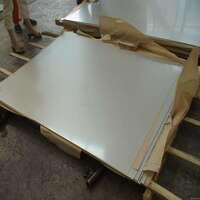
Electroplating methods like chromium electroplating or electroless nickel are also used to create thin, uniform cladding layers for precision parts, tools, and decorative finishes like chrome metal or gold coating.
4. Metal Clad in Construction and Architecture
One of the fastest-growing uses of metal clad today is in building exteriors. Architects love metal clad walls and facades for their modern look, longevity, and sustainability.
Popular options include:
- Corten steel facade and corten steel siding: Known for its rust-like appearance that stabilizes over time, eliminating the need for painting. Corten siding cost varies but offers long-term savings due to minimal maintenance.
- Zinc facade and zinc clad roof: Elegant, self-healing, and recyclable—zinc metal siding is a favorite in high-end residential and commercial projects.
- Copper siding: Develops a distinctive green patina, adding character to metal clad houses.
- Exterior corrugated metal siding and corrugated steel facade: Industrial-chic and budget-friendly, often used on metal clad sheds or modern farmhouses.
- Standing seam siding, including colorbond standing seam and vertical standing seam metal siding: Sleek, watertight, and ideal for metal clad roofs.
Systems like PAC CLAD standing seam roof, PAC CLAD coping, and PAC CLAD column covers offer modular, durable solutions for everything from dormers (zinc clad dormer) to full steel clad buildings.
5. Metal Clad Beyond Facades
Metal clad isn’t just for looks—it’s functional too. Consider these key applications:
- Metal clad electrical wire and metal clad wire: Armored cables with steel or aluminum sheathing for fire and impact resistance, commonly used in commercial buildings (yes, metal clad wire can be used outside and surface-mounted in Pennsylvania and most U.S. jurisdictions).
- Aluminum clad pipe insulation: Protects HVAC and plumbing systems while improving energy efficiency.
- Metal clad insulation: Used in industrial settings to shield against heat, noise, or moisture.
- Metal weatherboard and metal clad siding: Alternatives to traditional wood, offering better durability and lower upkeep.
Even small components benefit—think cu clad wire for electronics or aluminum clad steel wire for fencing.
6. Plates, Sheets, and Industrial Clad Materials
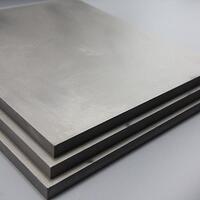
In heavy industry, ‘metal plate’ and ‘metal sheet’ products often use cladding for performance. Examples include:
- Stainless steel plate (316, 304L, 316L grades) and mild steel plate for structural bases.
- Aluminum diamond plate and steel checker plate for slip-resistant surfaces.
- Alloy plates like 6061 T6 aluminum plate, 7075 T6 clad, or Inconel 625 plate for extreme environments.
- Clad sheets such as aluminum clad sheet or aluminium clad steel for tanks, boilers, and pressure vessels.
These materials are available in various thicknesses—from 1/8 inch steel plate to thick steel plate—and can be customized via metal sheet cutting, perforated plate designs, or diamond plate steel sheets for specific engineering needs.
7. Choosing the Right Metal Clad Type
Selecting the right metal clad type depends on your project’s demands:
- For aesthetics: Corten, copper, or zinc facades.
- For corrosion resistance: Stainless-clad or nickel-brass clad copper.
- For electrical safety: Armored metal clad cable with proper grounding.
- For thermal performance: Aluminum clad stainless steel or alloy clad panels.
Always consider local codes, climate, and lifecycle costs—especially when comparing corten steel siding cost versus traditional materials.
8. Conclusion
From sleek steel facade designs to rugged metal clad sheds and precision-engineered clad metals in aerospace, the versatility of metal clad is undeniable. As sustainability drives innovation, expect to see more homes, offices, and infrastructure embracing metal clad solutions—not just for durability, but for beauty and efficiency too. Whether you’re installing standing seam siding or specifying a stainless steel metal plate for industrial use, understanding ‘metal clad meaning’ unlocks smarter, future-ready choices.
Our Website founded on October 17, 2012, is a high-tech enterprise committed to the research and development, production, processing, sales and technical services of ceramic relative materials such as What. Our products includes but not limited to Boron Carbide Ceramic Products, Boron Nitride Ceramic Products, Silicon Carbide Ceramic Products, Silicon Nitride Ceramic Products, Zirconium Dioxide Ceramic Products, etc. If you are interested, please feel free to contact us.