
1. Introduction
In the past 48 hours, architects and builders across North America have been buzzing about the rising demand for sustainable and low-maintenance exteriors—particularly metal clad systems like corten steel siding and zinc clad roofs. With climate resilience and aesthetic versatility driving design choices, metal cladding has surged in popularity for everything from residential homes to commercial skyscrapers.

But what exactly does ‘metal clad‘ mean? Whether you’re researching a metal clad house, exploring standing seam siding options, or sourcing clad metals for industrial use, understanding the fundamentals is key. This guide breaks down the metal clad meaning, materials, applications, and innovations shaping the industry today.
2. What Does Metal Clad Mean?
The term ‘metal clad‘ (sometimes written as ‘metalclad’) refers to a composite material made by bonding two or more different metals together. This process—often achieved through roll bonding, explosion welding, or electroplating—combines the strengths of each metal while minimizing weaknesses like corrosion or cost.
For example, aluminum clad stainless steel offers the corrosion resistance of stainless steel with the lightweight affordability of aluminum. Similarly, copper nickel clad or titanium clad materials are used in demanding environments like marine or chemical processing industries.
Clad metal meaning isn’t limited to sheets or plates—it also applies to wires, pipes, and even cookware. Metal clad electrical wire, for instance, features a conductive core wrapped in a protective metal sheath for safety and durability.
3. Common Types of Metal Clad Materials
Metal clad comes in many forms, each tailored to specific needs:
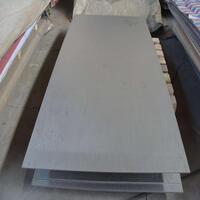
- Clad steel: Often used in pressure vessels and heat exchangers, combining carbon steel strength with stainless or nickel alloy corrosion resistance.
- Aluminum clad steel: Popular in automotive and aerospace for its strength-to-weight ratio.
- Stainless clad aluminum: Used where hygiene and light weight matter, like food processing equipment.
- Copper siding and zinc metal siding: Favored in architecture for their natural patina and longevity.
- Corten steel plate: Known for its weathering properties, ideal for corten steel facade and corten siding cost-effective designs.
Other specialized variants include 2024 T3 clad aluminum for aircraft, 7075 T6 clad for high-stress parts, and alloy clad composites like inconel 625 overlay for extreme temperatures.
4. Architectural Applications: From Roofs to Facades
One of the fastest-growing uses of metal clad is in building exteriors. Designers love metal clad wall systems for their sleek look, durability, and sustainability.
Popular choices include:
- Metal clad roof systems like colorbond standing seam or pac clad standing seam roof, known for water resistance and clean lines.
- Vertical standing seam metal siding and exterior corrugated metal siding for modern industrial aesthetics.
- Steel facade and corrugated steel facade installations that offer structural integrity and visual drama.
- Zinc facade and zinc clad dormer elements that age gracefully into soft gray tones.
- Corten steel siding, prized for its rust-like appearance without ongoing maintenance—though corten siding cost can be higher than alternatives.
Products like pac clad coping, pac clad column covers, and pac clad hwp (horizontal wall panel) systems provide modular, high-performance cladding solutions for commercial projects.
5. Industrial and Technical Uses
Beyond architecture, clad metals are essential in heavy industry:
- Metal clad insulation and aluminum clad pipe insulation improve thermal efficiency in HVAC and piping systems.
- Metal clad wire—including aluminum clad wire, cu clad wire, and aluminum clad steel wire—is used in electronics and power transmission.
- Boiler plate steel, mild steel plate, and thick steel plate serve as base materials in machinery and infrastructure.
Specialty plates like diamond plate steel, aluminum tread plate, and perforated plate add slip resistance or decorative function. Grades such as 316 stainless steel plate, 6061 T6 aluminum plate, and inconel 718 plate meet exacting standards for aerospace, marine, and chemical applications.
Electroplating techniques—like chromium electroplating, electroless nickel, or gold coating—further enhance surface properties for wear or conductivity.
6. Residential and Commercial Building Trends
Homeowners are increasingly choosing a metal clad house for its modern appeal and resilience. Metal weatherboard and metal clad siding mimic traditional wood but last decades longer with minimal upkeep.
Sheds, garages, and outbuildings often use metal clad shed panels for affordability and quick assembly. Meanwhile, steel clad buildings dominate warehouses and agricultural facilities due to their strength and fire resistance.
In urban settings, standing seam facade systems and steel clad inc projects blend form and function. And with options like aluminum sheet for sale or stainless steel checker plate readily available, customization is easier than ever.
7. Conclusion
From the molecular level of clad metal meaning to the sweeping curves of a zinc clad roof, metal clad technology bridges performance and design. Whether you’re selecting corten steel siding for a backyard studio or specifying aluminum clad stainless steel for an industrial reactor, understanding your options ensures smarter, longer-lasting decisions. As sustainability and innovation drive the future of construction, metal clad remains at the forefront—strong, versatile, and endlessly adaptable.
Our Website founded on October 17, 2012, is a high-tech enterprise committed to the research and development, production, processing, sales and technical services of ceramic relative materials such as What. Our products includes but not limited to Boron Carbide Ceramic Products, Boron Nitride Ceramic Products, Silicon Carbide Ceramic Products, Silicon Nitride Ceramic Products, Zirconium Dioxide Ceramic Products, etc. If you are interested, please feel free to contact us.