1. Introduction
The term ‘metal clad’ appears across construction, manufacturing, and electrical engineering—but what exactly does it mean? At its core, metal clad refers to a composite material or structure where one metal is bonded—mechanically, metallurgically, or through coating—to another for enhanced performance, corrosion resistance, cost efficiency, or aesthetic appeal.
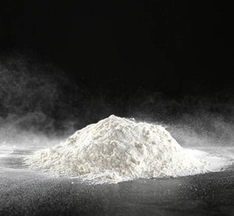
From sleek metal clad buildings with zinc facades to durable metal clad electrical wire in commercial installations, this technology bridges functionality and design. Understanding the scope of metal clad—from clad metals to specific products like pac clad standing seam roofs—is essential for architects, engineers, and contractors alike.
2. Defining Metal Clad: Meaning and Fundamentals
2.1. Metal Clad Meaning and Clad Metal Meaning
Metal clad meaning encompasses any product or system where a base material is covered or reinforced with a layer of metal. Similarly, ‘clad metal meaning’ describes metals that are layered or bonded together—such as aluminum clad steel or stainless clad aluminum—to combine desirable properties like strength, lightness, and corrosion resistance.
This bonding can occur through roll bonding, explosion welding, electroplating, or co-extrusion. The result is a hybrid material that outperforms its individual components in specific environments.
2.2. Common Types of Clad Metals
- Aluminum clad stainless steel: Combines the corrosion resistance of stainless steel with the lightweight nature of aluminum.
- Stainless clad aluminum: Used in heat exchangers and aerospace for thermal conductivity and durability.
- Titanium clad: Offers exceptional strength-to-weight ratio and corrosion resistance in marine and chemical applications.
- Copper nickel clad and cupro nickel clad: Ideal for seawater piping and desalination systems.
- Alloy clad variants like 2024 T3 clad and 7075 T6 clad: Common in aerospace for fatigue resistance and structural integrity.
3. Architectural and Construction Applications
3.1. Metal Clad Walls and Facades
Metal clad wall systems are increasingly popular in modern architecture due to their durability, low maintenance, and visual impact. Options include corrugated steel facade panels, vertical standing seam metal siding, and premium finishes like corten steel siding or zinc metal siding.
Corten steel facade elements develop a rust-like patina that protects the underlying steel, eliminating the need for painting. Corten steel siding cost varies but offers long-term value due to minimal upkeep. Similarly, zinc clad dormers and zinc clad roofs provide elegant, self-healing surfaces that age gracefully.
3.2. Metal Clad Roofs and Siding Systems
Metal clad roof solutions include colorbond standing seam, pac clad standing seam roof panels, and exterior corrugated metal siding. These systems offer excellent weather resistance, longevity, and energy efficiency.
Pac clad coping, pac clad column covers, and pac clad HWP (horizontal wall panel) systems enhance both function and aesthetics in commercial builds. Steel clad houses and metal clad sheds benefit from rapid assembly and resilience against fire, pests, and extreme weather.
3.3. Aesthetic and Functional Variety
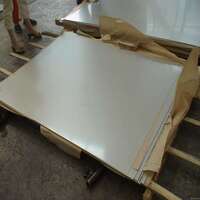
Designers choose from copper siding for heritage appeal, aluminum clad sheet for reflectivity, or stainless steel metal plate accents for urban minimalism. Standing seam facade systems create clean lines, while metal weatherboard offers a traditional look with modern performance.
4. Industrial and Technical Uses
4.1. Metal Clad Electrical and Insulation Systems
Metal clad electrical wire—often referred to as MC cable—is widely used in commercial buildings, including in Pennsylvania, due to its armored protection against physical damage. It can be surface-mounted and is compatible with AF CI breakers when code-compliant.
Aluminum clad pipe insulation and metal clad insulation systems protect HVAC and industrial piping from thermal loss and mechanical wear, especially in high-temperature environments.
4.2. Clad Metal Plates and Sheets
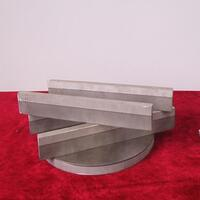
Beyond cladding, the industry relies on specialized metal plates: mild steel plate, carbon steel plate, corten steel plate, and stainless steel plate grades like 316L or 904L. These are available in thicknesses such as 1/8 inch steel plate, 3/16 metal plate, or thick steel plate for heavy-duty applications.
Checker plates—including aluminum diamond tread plate, stainless steel checker plate, and steel checker plate—are used for slip resistance in transportation and industrial flooring. Perforated plate and diamond plate sheet metal serve filtration, ventilation, and decorative roles.
4.3. Advanced Cladding Processes
Techniques like chromium electroplating, electroless nickel plating, and Inconel weld overlay (e.g., Inconel 625 overlay) enhance surface properties. Chrome carbide overlay on boiler plate steel extends service life in abrasive conditions.
Materials such as aluminum 5052 sheet, 6061 T6 aluminum plate, and Inconel 718 plate support high-performance sectors from marine to aerospace, often in clad configurations to optimize cost and performance.
5. Conclusion
Metal clad is far more than a construction trend—it’s a versatile engineering solution spanning architecture, infrastructure, and advanced manufacturing. Whether you’re specifying a corten steel siding for a boutique hotel, installing metal clad wire in a data center, or selecting a zinc clad roof for sustainability, understanding the breadth of clad metals ensures smarter, longer-lasting decisions.
As innovation continues in alloy development and cladding techniques, metal clad systems will remain at the forefront of resilient, efficient, and visually compelling design.
Our Website founded on October 17, 2012, is a high-tech enterprise committed to the research and development, production, processing, sales and technical services of ceramic relative materials such as What. Our products includes but not limited to Boron Carbide Ceramic Products, Boron Nitride Ceramic Products, Silicon Carbide Ceramic Products, Silicon Nitride Ceramic Products, Zirconium Dioxide Ceramic Products, etc. If you are interested, please feel free to contact us.