1. Introduction
The term ‘metal clad’ often evokes images of corrugated sheds or basic roofing, but its applications extend far beyond. In advanced architecture and demanding industrial sectors, metal clad materials—engineered composites of two or more metals—are critical for performance, longevity, and design innovation. Understanding the metal clad meaning reveals a world where functionality meets precision engineering.

From aerospace-grade titanium-clad components to weathering corten steel facades that evolve with time, clad metals solve complex challenges in corrosion resistance, thermal management, and structural integrity. This article delves into these niche applications, showcasing how metal clad technologies are reshaping modern infrastructure.
2. Defining Metal Clad: Beyond Basic Terminology
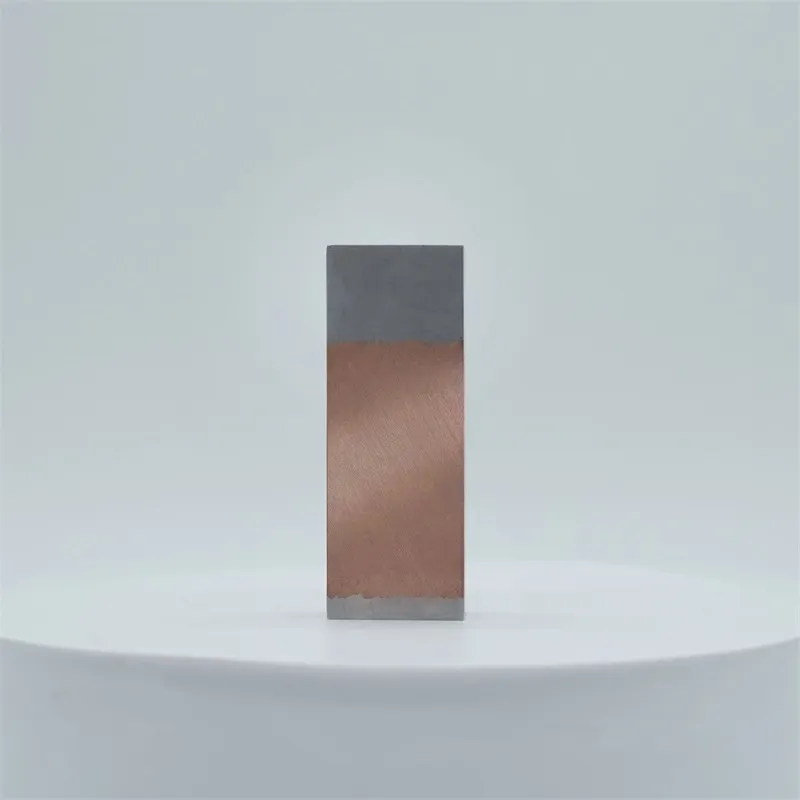
Metal clad meaning refers to a composite material formed by bonding a layer of one metal onto a substrate of another—typically to combine desirable properties such as strength, corrosion resistance, conductivity, or cost-efficiency. This process differs from simple coatings like electroplating; instead, it involves metallurgical bonding through roll bonding, explosion welding, or co-extrusion.
Clad metal meaning emphasizes synergy: for example, stainless clad aluminum merges the lightweight nature of aluminum with the chemical resistance of stainless steel. Similarly, copper-clad wire (cu clad wire) enhances electrical conductivity while reducing material costs compared to pure copper.
2.1. Common Metal Clad Types in Industry
- Aluminum clad stainless steel: used in heat exchangers and food processing equipment
- Stainless clad aluminum: ideal for cryogenic vessels and aerospace panels
- Titanium clad steel: deployed in offshore oil platforms and desalination plants
- Copper nickel clad: common in marine condensers due to biofouling resistance
- Alloy clad sheets like 2024-T3 clad or 7075-T6 clad: essential in aircraft skins for fatigue resistance
3. Advanced Architectural Applications of Metal Clad Systems
In contemporary architecture, metal clad walls and facades transcend mere cladding—they become integral design elements. Architects specify metal clad building envelopes not just for weather protection but for dynamic aesthetics and sustainability.
3.1. Weathering Steel and Corten Facades
Corten steel facade systems leverage the self-protecting rust patina of corten steel plate to eliminate the need for painting. Popular as corten steel siding, this material offers a bold, evolving appearance. While corten siding cost may be higher than standard steel, its minimal maintenance offsets long-term expenses. Designers often use it in vertical standing seam metal siding configurations or as exterior corrugated metal siding for dramatic texture.
3.2. Premium Metal Facades: Zinc, Copper, and Aluminum
Zinc facade and zinc clad roof systems provide elegant, low-maintenance exteriors with a lifespan exceeding 80 years. A zinc clad dormer, for instance, integrates seamlessly into historic renovations. Similarly, copper siding develops a distinctive green patina, valued in high-end residential projects like a metal clad house seeking timeless character.
Aluminum remains dominant due to its light weight and recyclability. Aluminum clad sheet options—including colorbond standing seam and pac clad standing seam roof systems—offer vibrant finishes and excellent thermal performance. PAC CLAD HWP (High-Performance Wall) panels and pac clad column covers exemplify how metal facade systems achieve both form and function.
4. Industrial and Infrastructure Uses of Clad Metals
Beyond buildings, clad metals serve in environments where failure is not an option. These applications rely on precise combinations like aluminum clad steel wire for overhead power lines or metal clad electrical wire in hazardous commercial installations.
4.1. Piping and Insulation Systems
Aluminum clad pipe insulation protects against moisture and mechanical damage in HVAC and petrochemical plants. The outer aluminum layer shields fibrous insulation while reflecting radiant heat—critical in high-temperature zones.
4.2. Structural and Wear-Resistant Components
Industries use thick steel plate composites like chrome carbide overlay plates for mining chutes and boiler plate steel lined with stainless for chemical reactors. Even diamond plate steel sheets—often made from carbon steel plate or stainless steel checker plate—are selected based on required abrasion resistance and safety standards.
5. Material Selection and Fabrication Considerations
Choosing the right metal clad type depends on environmental exposure, load requirements, and lifecycle costs. For instance, 316L stainless steel plate is preferred in marine settings due to molybdenum-enhanced corrosion resistance, while 6061-T6 aluminum plate suits structural frames needing weldability and strength.
Fabricators must account for differential thermal expansion between layers. Metal sheet cutting of clad materials requires specialized techniques to avoid delamination. Suppliers often provide clad metals in standard thicknesses like 1/8 inch steel plate or 3mm aluminium checker plate, tailored to ASTM or EN specifications such as ASTM A387 for pressure vessels.
6. Conclusion
Metal clad technologies represent a convergence of material science and practical engineering. Whether enhancing a steel clad building with a corten steel siding facade or ensuring pipeline integrity with titanium clad joints, these composites deliver unmatched performance. As architects and engineers push boundaries in sustainability and resilience, clad metals will remain indispensable—proving that metal clad meaning extends far beyond surface-level application.
Our Website founded on October 17, 2012, is a high-tech enterprise committed to the research and development, production, processing, sales and technical services of ceramic relative materials such as What. Our products includes but not limited to Boron Carbide Ceramic Products, Boron Nitride Ceramic Products, Silicon Carbide Ceramic Products, Silicon Nitride Ceramic Products, Zirconium Dioxide Ceramic Products, etc. If you are interested, please feel free to contact us.