
1. Introduction
When you hear ‘metal clad,’ you might think of electrical wiring or industrial pipes. But in architecture and high-performance construction, metal clad takes on a whole new meaning—one that blends engineering precision with bold design.
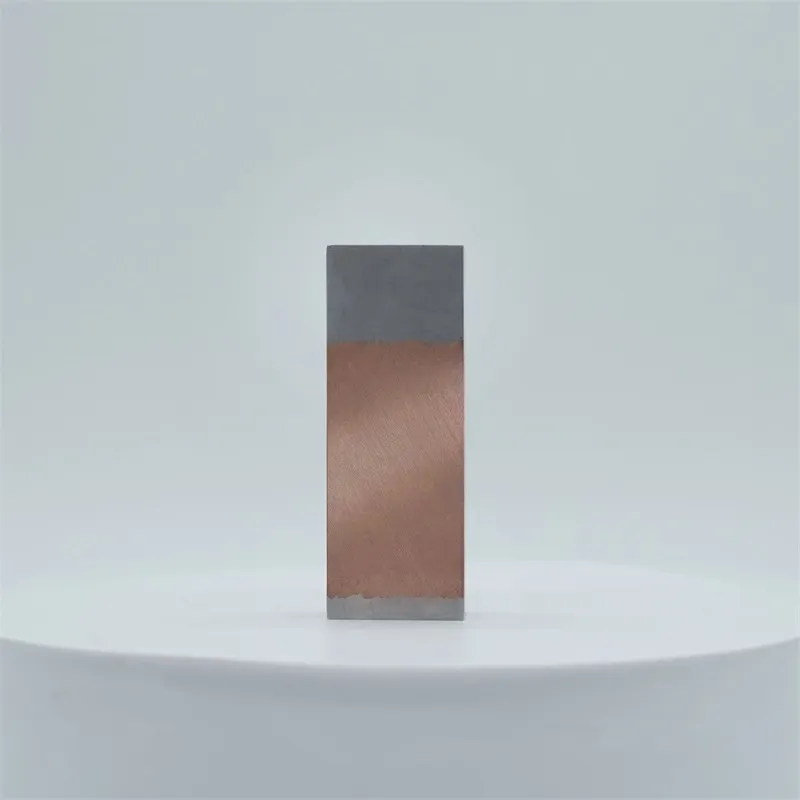
Metal clad isn’t just about wrapping a building in shiny sheets. It’s a sophisticated system using layered or coated metals to enhance durability, weather resistance, thermal performance, and visual impact. From sleek urban towers with corrugated steel facades to rustic homes featuring corten steel siding, metal cladding is reshaping how we build.
2. What Does ‘Metal Clad’ Really Mean?
The term ‘clad metal meaning’ refers to materials made by bonding two or more different metals into a single composite. This process—often through roll bonding, explosion welding, or electroplating—combines the best properties of each metal.
For example, aluminum clad stainless steel offers the corrosion resistance of stainless steel with the lightweight affordability of aluminum. Similarly, copper-nickel clad or titanium clad panels deliver extreme durability for coastal or chemical-exposed environments.
In construction, ‘metal clad’ typically describes exterior systems like metal clad walls, roofs, or siding—engineered for both function and form.
3. Metal Clad in Advanced Architectural Applications
Architects and builders now use metal clad systems far beyond basic sheds or warehouses. Today’s high-end projects leverage specialized clad metals for performance and aesthetics.
3.1 Corten Steel Facades: Rust as a Feature
Corten steel facade systems are prized for their self-protecting rust patina. Unlike regular steel, corten forms a stable oxide layer that halts further corrosion—eliminating the need for painting.
Popular in museums, universities, and luxury residences, corten steel siding delivers raw, organic texture. While corten siding cost can be higher upfront (typically $8–$15 per sq. ft.), its near-zero maintenance offsets long-term expenses.
3.2 Zinc and Copper Cladding: Timeless Elegance

Zinc facade panels age gracefully, developing a soft gray patina over time. A zinc clad roof or zinc clad dormer offers 80+ years of service life with minimal upkeep.
Copper siding, though pricier, provides unmatched warmth and antimicrobial properties. Both metals are 100% recyclable—making them favorites in sustainable design.
3.3 Standing Seam Systems: Sleek and Watertight
Vertical standing seam metal siding—like Colorbond standing seam or PAC CLAD HWP—creates clean, uninterrupted lines. These systems use interlocking seams that expand and contract with temperature shifts, preventing leaks.
PAC CLAD coping, column covers, and roof panels are common in commercial builds. Their concealed fasteners reduce thermal bridging and improve energy efficiency when paired with metal clad insulation.
4. Beyond Aesthetics: Performance-Driven Clad Metals
Not all metal clad is for looks. In harsh environments, engineers specify alloy-clad composites for survival.
- Aluminum clad steel wire resists salt spray in marine infrastructure.
- Titanium clad or Inconel 625 weld overlay protects chemical processing equipment.
- Stainless clad aluminum combines strength with thermal conductivity in heat exchangers.
Even in residential contexts, exterior corrugated metal siding made from galvalume or zinc-coated steel outperforms wood or vinyl in fire resistance and wind uplift ratings.
5. Material Innovation Meets Practicality
Modern metal clad buildings often integrate advanced substrates. For instance, a steel clad house might use 1/4 steel plate or corten steel plate for structural cladding, while a metal clad shed could feature aluminum diamond tread plate for slip-resistant walls.
Suppliers now offer everything from 3mm aluminium checker plate to 316 stainless steel plate—tailored to load, climate, and design needs. Need something lightweight? 6061-T6 aluminum plate delivers strength without weight. Facing abrasion? Chrome carbide overlay plates handle extreme wear.
And yes—even small details matter. Metal nameplates, perforated plate screens, and brass plates for engraving often use clad techniques to balance cost and corrosion resistance.
6. Installation and Sustainability Considerations
Proper installation ensures longevity. Metal clad electrical wire must be grounded correctly, but architectural cladding requires attention to expansion joints, moisture barriers, and thermal breaks.
Recyclability is a huge plus. Most clad metals—like aluminum clad sheet or stainless steel metal plate—contain 30–90% recycled content and are fully reclaimable at end-of-life.
7. Conclusion
Metal clad has evolved from utilitarian coverings to high-performance architectural statements. Whether it’s a corten steel plate forming a dramatic facade, a zinc clad roof aging with grace, or aluminum clad stainless steel enabling next-gen building envelopes, clad metals merge science and style.
As material tech advances—think 7075-T6 clad aerospace alloys adapted for rain screens—the line between industrial and inspirational continues to blur. For architects, builders, and homeowners alike, metal clad isn’t just a covering—it’s a commitment to resilience, beauty, and innovation.
Our Website founded on October 17, 2012, is a high-tech enterprise committed to the research and development, production, processing, sales and technical services of ceramic relative materials such as What. Our products includes but not limited to Boron Carbide Ceramic Products, Boron Nitride Ceramic Products, Silicon Carbide Ceramic Products, Silicon Nitride Ceramic Products, Zirconium Dioxide Ceramic Products, etc. If you are interested, please feel free to contact us.