
1. Introduction
Ever walked past a sleek office building with shimmering walls or spotted a rustic home wrapped in weathered steel? Chances are, you’ve seen metal clad in action. But what exactly does ‘metal clad’ mean? At its core, the metal clad meaning refers to a surface or structure covered—or ‘clad’—with a layer of metal for protection, aesthetics, or performance enhancement. From metal clad roofs to corten steel facades and even metal clad electrical wire, this versatile technique spans architecture, manufacturing, and infrastructure.
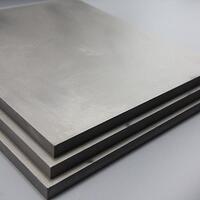
In this guide, we’ll unpack everything you need to know about metal clad—from basic definitions to real-world applications, popular materials, and why it’s become a go-to choice for designers and engineers alike.
2. Understanding Clad Metal Meaning and Types
The term clad metals describes composite materials made by bonding two or more different metals together. This process combines the best properties of each metal—like the strength of steel with the corrosion resistance of stainless steel or aluminum. Common examples include aluminum clad steel, stainless clad aluminum, and titanium clad sheets used in aerospace or chemical processing.
Clad metal meaning isn’t just about looks—it’s functional. For instance, aluminum clad stainless steel offers lightweight durability, while copper nickel clad is prized in marine environments for resisting saltwater corrosion. Alloy clad variants like 2024 T3 clad or 7075 T6 clad are standard in aircraft construction due to their high strength-to-weight ratios.
3. Metal Clad in Architecture and Building Design
One of the most visible uses of metal clad is in modern architecture. A metal clad building often features striking exteriors that blend form and function. Popular choices include:
- Metal clad wall systems using corrugated steel facade panels for an industrial look
- Corten steel siding, which develops a protective rust-like patina over time
- Zinc facade and zinc clad roof installations known for longevity and low maintenance
- Copper siding that ages gracefully into a greenish-blue verdigris
- Colorbond standing seam and PAC Clad standing seam roof systems for clean, modern lines
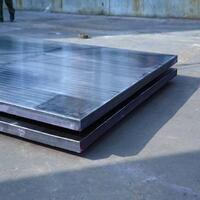
Vertical standing seam metal siding and exterior corrugated metal siding are especially favored for metal clad houses seeking durability against wind, rain, and UV exposure. Meanwhile, details like PAC Clad coping, column covers, and zinc clad dormers add architectural finesse.
4. Common Materials in Metal Cladding
Not all metal cladding is created equal. The choice of material depends on climate, budget, and design goals. Corten steel siding cost may be higher upfront but saves on maintenance long-term. Aluminum clad sheet (or aluminium clad sheet) is lightweight and rust-resistant, ideal for coastal areas.
Stainless steel plate, including grades like 316 stainless steel plate or 316L SS plate, offers superior corrosion resistance. For textured surfaces, designers turn to diamond plate steel, aluminum diamond tread plate, or checker plate metal sheet—often used in industrial settings or as decorative accents.
Other specialty plates include mild steel plate, carbon steel plate, boiler plate steel, and even exotic options like Inconel 718 plate or titanium alloy plate for extreme environments.
5. Beyond Facades: Industrial and Electrical Uses
Metal clad isn’t limited to buildings. In industrial contexts, clad steel pipes with aluminum clad pipe insulation help manage heat loss and prevent condensation. Metal clad insulation wraps ducts and tanks for energy efficiency.
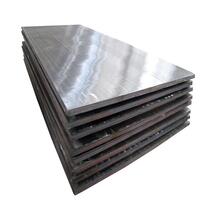
Electrical applications are equally important. Metal clad electrical wire—often called MC cable—is armored for safety in commercial and residential wiring. Variants include aluminum clad steel wire, CU clad wire, and aluminum clad wire, each suited to specific voltage and environmental needs.
It’s worth noting that metal clad wire can be surface-mounted and is permitted in commercial buildings in states like Pennsylvania, provided it meets local electrical codes and uses proper fittings like snap clad clips or junction boxes.
6. Fabrication, Cutting, and Installation Considerations
Working with metal clad systems requires precision. Metal sheet cutting must account for material thickness—whether it’s 1/8 inch steel plate, 3/16 metal plate, or 1/4 metal plate. Tools like plasma cutters or CNC machines ensure clean edges without compromising the clad layer.
For DIYers or contractors, understanding how to run metal clad electrical wire through an exterior wall or how to install standing seam siding correctly is crucial. Always follow manufacturer guidelines for fastening, sealing, and thermal expansion—especially with materials like corten steel plate or zinc metal siding that react to weather over time.
7. Cost, Maintenance, and Sustainability
While initial costs vary—corten siding cost might range from $8–$15 per square foot—metal clad systems often pay off through decades of minimal upkeep. Unlike wood or vinyl, they don’t rot, warp, or require frequent repainting.
Many clad metals are also recyclable. Aluminum, steel, copper, and zinc can be reclaimed at end-of-life, supporting green building certifications like LEED. Plus, finishes like electroplating, chromium plate, or electroless nickel enhance performance without toxic coatings.
8. Conclusion
From the gleaming steel facade of a downtown skyscraper to the humble metal clad shed in your backyard, metal clad technology bridges utility and beauty. Whether you’re choosing a zinc clad roof for sustainability, installing metal clad wire for safety, or specifying stainless steel metal plate for a lab environment, understanding the breadth of clad metals empowers smarter decisions. As innovation continues—think Inconel weld overlays or nickel brass clad copper—the future of metal clad remains bright, durable, and endlessly adaptable.
Our Website founded on October 17, 2012, is a high-tech enterprise committed to the research and development, production, processing, sales and technical services of ceramic relative materials such as What. Our products includes but not limited to Boron Carbide Ceramic Products, Boron Nitride Ceramic Products, Silicon Carbide Ceramic Products, Silicon Nitride Ceramic Products, Zirconium Dioxide Ceramic Products, etc. If you are interested, please feel free to contact us.