
1. Introduction
Ever walked past a sleek modern building with shimmering metallic walls or noticed a rustic brown facade that seems to age beautifully over time? Chances are, you’ve seen metal clad in action. But what exactly is metal clad? In simple terms, metal clad refers to any surface—be it a wall, roof, pipe, or even electrical wire—that’s covered or ‘clad’ with a layer of metal for protection, aesthetics, or performance enhancement.
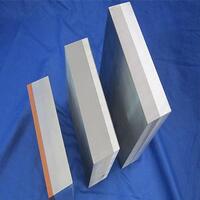
From corten steel siding on luxury homes to aluminum clad pipe insulation in industrial plants, the term pops up everywhere. And while it might sound technical, understanding metal clad is easier than you think—especially once you see how widely it’s used in everything from sheds to skyscrapers.
2. What Does ‘Metal Clad’ Mean?
The phrase ‘metal clad meaning’ or ‘clad metal meaning’ boils down to one core idea: combining two or more metals (or a metal with another material) to get the best of both worlds. For example, stainless clad aluminum offers corrosion resistance from the stainless layer and lightweight strength from the aluminum base.
This technique isn’t new—it’s been used for decades in cookware (like All-Clad pans), aerospace, and construction. The result? Durable, cost-effective, and visually striking solutions that outperform single-material alternatives.
2.1 Common Types of Clad Metals
- Aluminum clad steel: Combines the rust resistance of aluminum with the structural strength of steel.
- Copper nickel clad: Used in marine environments for its anti-fouling and corrosion-resistant properties.
- Titanium clad: Offers extreme durability in chemical processing and high-temperature applications.
- Zinc clad dormer or zinc clad roof: Provides a self-healing patina that ages gracefully over decades.
- Alloy clad options like 2024 T3 clad or 7075 T6 clad are common in aviation for their strength-to-weight ratios.
3. Metal Clad in Architecture and Design
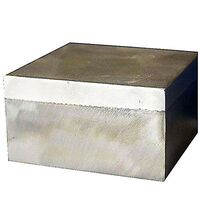
One of the most visible uses of metal clad today is in building exteriors. Architects love it because it’s versatile, sustainable, and modern-looking. Whether you’re designing a minimalist metal clad house or a commercial metal clad building, options abound.
Popular choices include corrugated steel facade panels for an industrial vibe, vertical standing seam metal siding for clean lines, and corten steel facade systems that develop a rich rust-like appearance without deteriorating. Corten steel siding cost can be higher upfront, but its low maintenance and longevity often justify the investment.
3.1 Popular Metal Cladding Systems
- Colorbond standing seam and PAC Clad standing seam roof systems offer weather-tight, long-lasting roofing with sharp aesthetics.
- PAC Clad coping and PAC Clad column covers provide seamless transitions and elegant detailing on commercial structures.
- Exterior corrugated metal siding remains a favorite for barns, sheds, and modern farmhouses—think metal clad shed meets Instagram-worthy design.
- Zinc metal siding and copper siding add warmth and character, often used in high-end residential projects.
- Steel weatherboard (or metal weatherboard) mimics traditional wood cladding but with far greater durability.
4. Industrial and Technical Applications
Beyond looks, metal clad plays critical roles in engineering and infrastructure. Take metal clad electrical wire—it’s armored for safety in commercial buildings (yes, it can be used in Pennsylvania and many other regions when installed correctly). Similarly, aluminum clad wire and CU clad wire are common in power transmission.
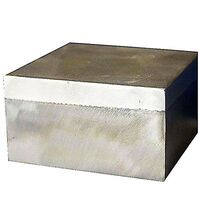
In piping and insulation, aluminum clad pipe insulation protects against moisture and physical damage. Meanwhile, clad steel plates—like boiler plate steel or mild steel plate—are used in pressure vessels, shipbuilding, and heavy machinery.
4.1 Metal Plates and Sheets in Clad Systems
The backbone of many clad products is the metal plate or sheet. From 1/8 inch steel plate to thick steel plate for structural bases, these components come in countless grades:
- Stainless steel plate (including 316, 304L, and 904L grades) for corrosive environments.
- Aluminum diamond plate or checker plate for slip-resistant surfaces.
- Corten steel plate for architectural cladding that weathers naturally.
- Alloy plates like 6061 T6 aluminum plate or Inconel 718 plate for extreme-performance needs.
These materials can be cut, perforated, or finished via electroplating (e.g., chromium electroplating or gold coating) to suit specific functions.
5. Sustainability and Maintenance
Metal clad systems are increasingly favored for their sustainability. Most metals—aluminum, steel, copper, zinc—are 100% recyclable. Plus, products like zinc coated or galvanized steel extend service life dramatically.
Maintenance is minimal: rinse off dirt, inspect seals annually, and let natural patinas do their thing. Unlike wood or vinyl, metal clad won’t warp, rot, or fade quickly—making it a smart long-term choice for everything from a steel clad house to a PAC Clad HWP rainscreen system.
6. Conclusion
So, what is metal clad? It’s more than just a buzzword—it’s a smart, stylish, and resilient solution that bridges form and function across industries. Whether you’re choosing a corten steel siding for your home, specifying aluminum clad stainless steel for a lab, or installing metal clad wire in a commercial project, you’re tapping into a legacy of innovation. With endless combinations—from stainless plate to titanium clad—and evolving technologies like Inconel weld overlay, metal clad continues to shape the future of design and engineering.
Our Website founded on October 17, 2012, is a high-tech enterprise committed to the research and development, production, processing, sales and technical services of ceramic relative materials such as What. Our products includes but not limited to Boron Carbide Ceramic Products, Boron Nitride Ceramic Products, Silicon Carbide Ceramic Products, Silicon Nitride Ceramic Products, Zirconium Dioxide Ceramic Products, etc. If you are interested, please feel free to contact us.