
1. Introduction
Just 24 hours ago, architects at Milan Design Week unveiled a jaw-dropping pavilion wrapped entirely in a shimmering zinc clad roof that shifted color with the sunlight—proving once again that metal clad isn’t just functional; it’s fashion-forward. But if you’ve ever scratched your head wondering, ‘What is metal clad, really?’—you’re not alone. From your home’s siding to the wires behind your walls, clad metals are everywhere… quietly doing their job like unsung superheroes in metallic capes.
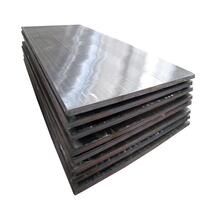
So let’s cut through the jargon (and maybe a few sheets of aluminum clad steel) to explore what metal clad actually means, where you’ll find it, and why it might just be the MVP of modern materials.
2. What Does ‘Metal Clad’ Mean?
At its core, metal clad meaning is refreshingly simple: it refers to a composite material where one metal is bonded—mechanically or metallurgically—to another. This marriage creates something stronger, more corrosion-resistant, or more cost-effective than either metal alone. Think of it like a gourmet sandwich: stainless steel on the outside for looks and durability, mild steel on the inside for strength and savings. That’s clad metal meaning in a nutshell.
You’ll see terms like clad metals, alloy clad, or even specific combos like aluminum clad stainless steel or copper nickel clad popping up in everything from aerospace to your backyard shed. And yes, ‘metalclad’ (one word) is just a stylistic cousin—it means the same thing.
3. Metal Clad in Architecture: When Buildings Wear Armor
Forget brick and stucco—today’s trendiest homes and commercial spaces are rocking metal clad exteriors like they’re runway-ready. A metal clad house isn’t just a statement; it’s a smart investment. Why? Because materials like corten steel siding age beautifully, developing a rust-like patina that actually protects the structure underneath. Sure, corten siding cost might make you wince upfront, but its near-zero maintenance over decades? Priceless.
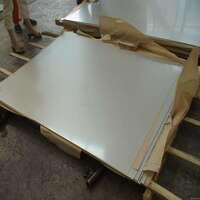
Popular options include:
- Corten steel facade for that rugged, industrial-chic look
- Zinc metal siding or zinc clad dormer for subtle elegance and self-healing properties
- Copper siding that turns from shiny penny to verdigris masterpiece over time
- Exterior corrugated metal siding or corrugated steel facade for barn-core vibes with urban flair
- Vertical standing seam metal siding or Colorbond standing seam for clean lines and weather-tight performance
And don’t sleep on PAC Clad products—PAC Clad standing seam roof systems, PAC Clad coping, and even PAC Clad column covers are dominating high-end builds thanks to their durability and sleek profiles.
4. Beyond Walls: Roofs, Sheds, and Unexpected Uses
A metal clad roof isn’t just for warehouses anymore. Homeowners are choosing zinc clad roofs or steel clad roofs for their longevity (50+ years!) and recyclability. Even metal clad sheds are getting an upgrade—no longer eyesores, but minimalist garden studios wrapped in brushed aluminum or perforated plate accents.
Ever heard of metal weatherboard? It’s corrugated or ribbed metal siding designed to mimic traditional wood—but without the rot, warping, or termites. Pair it with a standing seam facade, and you’ve got curb appeal that laughs in the face of hailstorms.

5. Metal Clad in Engineering & Industry
Step away from the architecture magazine, and you’ll find clad metals hard at work in pipes, wires, and heavy machinery. Aluminum clad pipe insulation keeps HVAC systems efficient, while metal clad electrical wire (often called MC cable) safely powers offices and apartments—yes, even in Pennsylvania commercial buildings.
In manufacturing, you’ll encounter:
- Aluminum clad steel wire or aluminum clad wire for conductivity and strength
- Cu clad wire (copper-clad) in electronics
- Stainless clad aluminum or titanium clad plates for extreme environments
- Boiler plate steel, mild steel plate, or thick steel plate used in pressure vessels and structural bases
And let’s not forget metal plate varieties: diamond plate steel for slip resistance, checker plate metal sheet for truck beds, and stainless steel diamond plate for food-safe surfaces. Need a 1/8 inch steel plate or 3/16 metal plate? There’s a clad version optimized for your exact need.
6. The Secret Sauce: How Cladding Happens
How do you bond two metals? Often through processes like roll bonding, explosion welding, or electroplating. Chromium electroplating gives that shiny chrome metal finish, while electroless nickel or nickel sulfamate coatings add hardness and corrosion resistance. Gold coating? Yep—even that exists for specialty electronics.
For alloys like 2024 T3 clad or 7075 T6 clad aluminum, a thin layer of pure aluminum protects the high-strength core—perfect for aircraft skins. Meanwhile, Inconel weld overlays (like Inconel 625 overlay) shield steel components in chemical plants from brutal heat and acids.
7. Conclusion
So, what is metal clad? It’s versatility wrapped in durability—literally. Whether it’s a corten steel plate forming a dramatic facade, a spool of metal clad wire powering your coffee maker, or a stainless steel plate holding up a bridge, clad metals solve real-world problems with style and smarts. Next time you see a gleaming steel clad building or run your hand over zinc clad roofing, give a silent nod to the genius of layered metals. They’re not just covering things up—they’re elevating them.
Our Website founded on October 17, 2012, is a high-tech enterprise committed to the research and development, production, processing, sales and technical services of ceramic relative materials such as What. Our products includes but not limited to Boron Carbide Ceramic Products, Boron Nitride Ceramic Products, Silicon Carbide Ceramic Products, Silicon Nitride Ceramic Products, Zirconium Dioxide Ceramic Products, etc. If you are interested, please feel free to contact us.