
Key takeaways
- Aluminium plates are usually chosen for low density and corrosion behaviour; steel plates for stiffness, strength and wear resistance.
- A thickness-for-thickness swap between aluminium and steel is not valid because stiffness and strength differ.
- Compare finished-part mass under the same load case, not plate density alone.
- Corrosion protection and dissimilar-metal contact should be checked before the material is fixed.
- Final selection should rely on the documented grade, temper, thickness and surface condition of the exact plate.
How to Choose Between Aluminium and Steel Plates for Lightweight Structures
Choosing between aluminium and steel plates for a lightweight structure starts with one question: which material property matters most for the part you are designing? Aluminium plates are generally chosen when low density and corrosion behaviour are the priority, while steel plates are generally chosen when stiffness, strength or wear resistance matter more. Neither plate is universally better; the decision depends on the load path, the environment, the joining method and the maintenance plan for the finished structure.
The practical approach is to compare the two materials on the same dimensions: density, strength-to-weight behaviour, stiffness, corrosion resistance, formability, joining, and cost over the life of the part. This article sets out those comparison dimensions, explains the conditions under which each plate type tends to be the better fit, and notes where a designer should stop and verify data rather than assume. It does not provide specific grade properties, prices or certification claims, because those must come from the mill certificate and the supplier's datasheet for the exact plate you intend to use.
A lightweight structure is not simply a structure made from the lightest plate. It is a structure that meets its strength, stiffness and durability requirements with the least mass, and that balance is what the aluminium-versus-steel decision is really about.
What Aluminium and Steel Plates Are in Lightweight Design
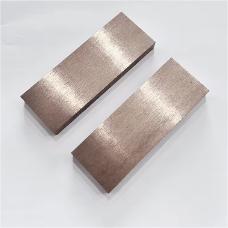
Aluminium plates are rolled or cast plates made primarily of aluminium, usually alloyed with elements such as magnesium, manganese, silicon or zinc to adjust strength, formability and corrosion behaviour. In lightweight design, the defining characteristic of an aluminium plate is its low density relative to steel, which means a given volume of plate weighs substantially less. That property is the main reason aluminium appears in weight-sensitive structures, but it also means the plate's stiffness and strength per unit volume differ from steel, so a direct thickness-for-thickness swap is rarely valid.
Steel plates are plates made from iron-based alloys, typically with controlled carbon and alloying content. In lightweight design, steel plates are used where high stiffness, high strength, wear resistance or established fabrication routes are required. Steel is denser than aluminium, so a steel plate of the same dimensions is heavier; however, steel's higher modulus and strength mean that a thinner or differently shaped steel section can sometimes carry the same load. The comparison is therefore about the whole structure, not the plate alone.
Both materials are available in a range of thicknesses, tempers or conditions, and surface finishes. The plate you specify should be defined by alloy or grade, temper or condition, thickness, tolerance and surface treatment, because these variables change the properties far more than the general material family does.
Comparison Dimensions That Decide the Material
Density is the first dimension. Aluminium's lower density is the core advantage in lightweight structures, and it is the reason aluminium is often shortlisted before any other property is examined. The trade-off is that lower density does not automatically deliver lower weight in the finished part, because the part may need more thickness or additional stiffening to compensate for lower stiffness.
Stiffness and strength are the second dimension. Steel generally offers higher elastic modulus and higher strength than common aluminium alloys, so a steel plate can meet a stiffness requirement with less thickness. When a structure is stiffness-governed rather than strength-governed, this can offset steel's density disadvantage. When a structure is strength-governed and the loads are modest, aluminium's weight saving is more likely to survive the design check.
Corrosion behaviour and protection are the third dimension. Aluminium develops a natural oxide layer that supports corrosion resistance in many environments, while steel typically requires a protective coating or alloying approach to resist corrosion. The maintenance plan, the exposure environment and the presence of dissimilar metals all affect this comparison, and mixed-metal assemblies need specific attention to galvanic effects.
Formability, joining and fabrication are the fourth dimension. Aluminium and steel behave differently in bending, welding and fastening, and the choice of joining method can constrain which material is practical. Finally, cost should be compared over the life of the part, including material, fabrication, protection and maintenance, rather than on the purchase price of the plate alone.
| Comparison dimension | Aluminium plates | Steel plates |
|---|---|---|
| Density | Lower density; a given volume weighs less | Higher density; a given volume weighs more |
| Stiffness | Lower elastic modulus; deflection often governs | Higher elastic modulus; stiffer sections possible |
| Strength | Alloy and temper dependent; lower in common conditions | Generally higher; grade dependent |
| Corrosion behaviour | Natural oxide layer supports resistance in many environments | Usually requires coating or alloying for protection |
| Formability and joining | Suits many forming routes; welding needs appropriate method | Established welding and forming routes in most shops |
| Weight of finished part | Favourable when geometry can compensate for stiffness | Favourable when thin sections meet stiffness needs |
| Maintenance | Often lower protection burden where oxide layer is adequate | Depends on coating system and inspection regime |
| Cost basis | Compare over life of part, not price per kilogram | Compare over life of part, not price per kilogram |
When Aluminium Plates Are the Better Fit
Aluminium plates tend to be the better fit when the structure's performance is dominated by weight, when the service environment is one where aluminium's oxide layer provides adequate corrosion resistance, and when the fabrication route suits aluminium's forming and joining behaviour. Examples include weight-sensitive panels, covers, enclosures and structures where handling and installation weight matter as much as in-service load.
Aluminium is also a reasonable candidate when the design can tolerate the lower stiffness of an aluminium section by using ribs, folds or a greater thickness, and when the corrosion protection strategy for steel would be difficult to maintain. In those conditions, the weight saving is real and the trade-offs are manageable.
The condition to check is stiffness. If the structure is deflection-limited, an aluminium plate may need a geometry change rather than a simple thickness increase, and that change should be evaluated before the material is fixed.
When Steel Plates Are the Better Fit
Steel plates tend to be the better fit when stiffness, strength or wear resistance is the governing requirement, when the structure will be protected by a coating system that can be maintained, and when the fabrication shop's welding and forming routes are set up for steel. Structures that carry concentrated loads, that must resist abrasion, or that are stiffness-critical often fall into this group.
Steel is also the practical choice when the design already uses steel for adjacent components and mixing materials would create a galvanic couple that needs isolation. Keeping a structure in one material family can simplify protection and inspection, even if the plate itself is heavier.
The condition to check is mass. If the weight penalty of steel cannot be recovered through thinner sections or fewer stiffeners, the lightweight objective may not be met, and the design should be re-examined.
How to Run the Selection Step by Step
Start by defining the governing requirement: is the structure limited by weight, stiffness, strength, corrosion or wear? Write that requirement down before comparing materials, because it determines which comparison dimension decides the outcome.
Next, size a trial section in each material using the same load case and the same allowable deflection. Compare the resulting mass, not the plate density alone. Then check the environment and the joining method: confirm that the chosen material can be protected and joined in the way the design requires, and that dissimilar-metal contact is either avoided or managed.
Finally, confirm the data. Ask the supplier for the grade or alloy, temper or condition, thickness tolerance and surface condition of the exact plate, and check the mill certificate against the design assumption. The general comparison in this article is a screening tool; the final decision should rest on the documented properties of the plate you will actually receive.
Common Mistakes and Limitations of This Comparison
A common mistake is substituting aluminium for steel at the same thickness and assuming the structure will behave the same way. Because the two materials differ in stiffness and strength, an equal-thickness swap changes deflection and load capacity, and the result may fail a check that the original passed.
A second mistake is comparing purchase price per kilogram rather than cost over the life of the part. Protection, maintenance and fabrication effort can change the ranking, and those costs depend on the specific environment and shop.
This comparison is deliberately general. It does not state grade-specific strengths, densities, prices or corrosion ratings, and it does not claim that either material is suitable for a particular regulated application. Those determinations require the exact plate data, the applicable design code and, where relevant, a qualified engineer's review.
Frequently asked questions
Is aluminium always lighter than steel for the same structure?
No. Aluminium plate has lower density, but a structure may need more thickness or stiffening to meet stiffness requirements, so the finished part is not automatically lighter. Compare trial sections under the same load case.
When should steel plates be preferred over aluminium plates?
Steel plates are generally preferred when stiffness, strength or wear resistance governs the design, when a maintainable coating system is planned, or when keeping one material family simplifies protection and joining.
What should I check before ordering either plate?
Confirm the grade or alloy, temper or condition, thickness tolerance and surface condition of the exact plate, and check the mill certificate against your design assumption.
Metal Plates 4u is a large enterprise focusing on the research, development, production and sales of copper products. With multiple production bases and R&D centers, its copper products sell well in domestic and foreign markets and are well received by customers.
Complete variety, excellent quality, innovative research and development. Customized services and professional consultation are available. If you need metal clad products, please feel free to contact us.