



Ključni podaci za van
- Ferrous metal plates contain iron and are magnetic; non-ferrous plates do not and are non-magnetic.
- Ferrous plates are generally stronger and cheaper but prone to rust; non-ferrous plates offer better corrosion resistance at higher cost.
- Non-ferrous plates are essential in aerospace, elektronika, and chemical applications due to their conductivity and lightweight.
- Stainless steel is a special ferrous alloy that resists corrosion, blending properties of both categories.
What Is the Difference Between Ferrous and Non-Ferrous Metal Plates?
Ferrous metal plates contain iron as the primary element, making them magnetic and prone to rust. Non-ferrous metal plates lack significant iron content, so they are non-magnetic and generally more corrosion-resistant. This core distinction influences strength, težina, and environmental suitability.
Ferrous plates include common materials like carbon steel and cast iron; non-ferrous plates include aluminum, bakar, titanijum, i mjed. The choice depends on factors such as required magnetic properties, otpornost na koroziju, provodljivost, i trošak.
Knowing the difference between metal sheet and plate, along with these composition-based distinctions, helps engineers and buyers choose the right metal plate for structural, mehanički, or decorative applications.
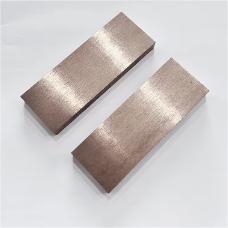
Characteristics and Common Uses of Ferrous Metal Plates
Ferrous metal plates are known for their high strength and hardness, making them ideal for load-bearing structures and heavy machinery. Imaju široku primjenu u građevinarstvu, automotive manufacturing, brodogradnja, and railway infrastructure.
Because ferrous metals contain iron, they have magnetic properties useful in electric motors and transformers. Međutim, they rust when exposed to moisture, so protective coatings or alloys are often added to improve corrosion resistance.
Common ferrous plate materials include carbon steel, alloy steel (which incorporates common alloying elements like chromium and molybdenum), nehrđajući čelik, and cast iron. Each type offers trade-offs between strength, zavarljivost, i trošak.

Characteristics and Common Uses of Non-Ferrous Metal Plates
Non-ferrous metal plates are valued for corrosion resistance, mala težina, and high electrical or thermal conductivity. They are essential in aerospace, elektronika, kemijska obrada, and decorative applications where ferrous metals would degrade or interfere with magnetic fields.
Aluminum plates are lightweight and corrosion-resistant, widely used in aircraft and packaging. Copper plates offer excellent electrical conductivity for power transmission and heat exchangers. Titanium plates provide a high strength-to-weight ratio and corrosion resistance in harsh environments like marine and chemical plants, gdje Hastelloy clad plate is also used for extreme corrosion challenges.
Non-ferrous metals are generally more expensive than ferrous ones, but their specialized properties often justify the cost in demanding applications.
Side-by-Side Comparison of Ferrous and Non-Ferrous Metal Plates
The table below summarizes key differences between ferrous and non-ferrous metal plates across several properties, guiding material selection for project requirements.
| Property | Ferrous Metal Plates | Non-Ferrous Metal Plates |
|---|---|---|
| Sastav | Contain iron as the main element | Little or no iron content |
| Magnetism | Magnetski | Nemagnetski |
| Otpornost na koroziju | Prone to rust without protection | Generally corrosion resistant |
| Uobičajeni primjeri | Čelik, lijevano željezo, nehrđajući čelik | Aluminij, bakar, titanijum, mjed |
| Typical Applications | Izgradnja, automobilski, heavy machinery | Aerospace, elektronika, kemijska obrada |
How to Choose Between Ferrous and Non-Ferrous Metal Plates
Selecting the right metal plate depends on project demands. For structural applications requiring high strength and lower cost, ferrous plates are often preferred. For environments with high moisture or chemical exposure, non-ferrous plates offer better durability without rust.
If magnetic properties are important, ferrous plates are suitable; if non-magnetic behavior is required (npr., in electronics or MRI rooms), non-ferrous plates must be used. Weight also matters: non-ferrous plates like aluminum are much lighter than steel, which is critical in aerospace and portable equipment.
Proračun, raspoloživost, and fabrication ease also influence the decision. Both categories include numerous alloys with varying properties, so evaluate application conditions carefully.
Često postavljana pitanja
Can non-ferrous metal plates be magnetic?
Ne, non-ferrous metal plates are generally non-magnetic because they lack significant iron content. Some non-ferrous alloys may exhibit weak magnetic properties under certain conditions, but typical aluminum, bakar, and titanium plates are non-magnetic.
Which type of metal plate is better for outdoor use?
Non-ferrous metal plates are typically better for outdoor use because they resist corrosion from moisture and chemicals. Aluminum and copper plates perform well without additional protective coatings, whereas ferrous plates require paint or galvanizing to prevent rust.
Are ferrous metal plates cheaper than non-ferrous?
općenito, ferrous metal plates are less expensive than non-ferrous plates due to the abundance and lower processing costs of iron. Međutim, specific alloys and market conditions can affect the price, so it is best to compare actual quotes for the required material.
Metal Plates 4u is a large enterprise focusing on the research, razvoj, proizvodnja i prodaja proizvoda od bakra. S više proizvodnih baza i R&D centri, njegovi proizvodi od bakra dobro se prodaju na domaćem i stranim tržištima i dobro su prihvaćeni od strane kupaca.
Potpuna raznolikost, izvrsna kvaliteta, inovativno istraživanje i razvoj. Dostupne su prilagođene usluge i profesionalno savjetovanje. Ako su vam potrebni metalni proizvodi, slobodno nas kontaktirajte.