



Titanium efere is a high-performance metal material known for its excellent corrosion resistance, ike dị elu, fechaa, na biocompatibility. Titanium plates are widely used in various fields, dị ka aerospace, kemịkalụ, ọgwụ, marine engineering, and sports equipment.
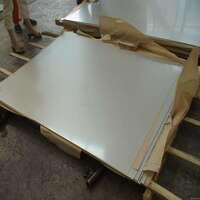
Titanium efere
Titanium plates are widely used in the aerospace industry, mainly due to their high strength and lightweight characteristics. Ọmụmaatụ, titanium plates are used to manufacture the fuselage, nku, ngwu ọdụ, and other structural components of aircraft, which can significantly reduce the weight of the aircraft, melite mmanu mmanu, and enhance payload capacity. Na mgbakwunye, titanium plates are also used to manufacture components such as blades, turbine discs, and combustion chambers for aircraft engines, which can withstand high temperatures and high-speed rotational stresses. Titanium plates also play an important role in the structural components of satellites and rockets, as they can resist extreme temperatures and radiation in the space environment.
| Oke | Nkọwapụta |
| Aha ngwaahịa | Titanium Plates |
| Ọkwa ihe | Gr. 1, Gr. 2, Gr. 3, Gr. 4, Gr. 5 (Ti-6Al-4V), Gr. 7, Gr. 9, Gr. 11, Gr. 12, Gr. 23, Ndị ọzọ (mgbe arịrịọ) |
| Ọkpụrụkpụ | 0.5mm ruo 150mm (omenala ọkpụrụkpụ dị) |
| Obosara | 1000mm ruo 3000mm (obosara omenala dị) |
| Ogologo | 2000mm ruo 12000mm (ogologo omenala dị) |
| Emecha elu elu | As-rolled, Achachapụrụ, Ahịhịa, Aja gbawara, Nhọrọ imecha omenala dị |
| Ndidi | – Ọkpụrụkpụ: ±0.1mm to ±0.5mm (dịgasị na ọkpụrụkpụ) |
| – Obosara na Ogologo: ±1mm to ±2mm (dịgasị na nha) | |
| – Enwere ike ịkọwa nnabata omenala | |
| Ọnọdụ ihu | Mill Edge, Egbubi-na-nha na akụkụ ndị a kpachaara anya, Beveled n'ọnụ maka ịgbado ọkụ nkwadebe |
| Ngwakọta kemịkalụ | Na-adịgasị iche site na ọkwa, typical compositions include Ti, Al, V, Fe, O, wdg. (specific values provided on material certification) |
| Ihe eji arụ ọrụ | Na-adịgasị iche site na ọkwa, typical properties include ultimate tensile strength, nye ike, elongation, isi ike (specific values provided on material certification) |
| Asambodo | ASME, ASTM, ISO, N'ime, MIL-SPEC, Asambodo ndị ọzọ dịka ndị ahịa chọrọ |
| Nkwakọ ngwaahịa | Nkwakọ ngwaahịa mbupụ ọkọlọtọ na crates osisi ma ọ bụ pallets, Nhọrọ nkwakọ ngwaahịa omenala dị iji gboo mkpa mbupu akọwapụtara |
| Ngwa | Igwe ikuku, Nhazi kemịkalụ, Mmiri mmiri, Ịkụnye ọgwụ, Ụgbọala, Akụrụngwa egwuregwu, Ihe ịchọ mma, Ndị na-agbanwe ọkụ, Corrosion-resistant structures |
| Ihe ndetu | Akụkụ niile na nkọwapụta dabere na nkwenye n'aka onye na-ebubata ya. A na-anabata iwu omenala, gụnyere nha pụrụ iche, emecha, na nsọtụ ọgwụgwọ. |
| Ozi mkpọtụrụ | Maka ozi ndị ọzọ, nhota, ma ọ bụ ịtụ iwu, biko kpọtụrụ ngalaba ahịa anyị na [Ozi kọntaktị gị]. |
Product parameter table of titanium plates
Na chemical ụlọ ọrụ, the application of titanium plates is mainly concentrated in situations where high corrosion resistance is required. Titanium plates are used to manufacture chemical reactors and storage tanks and can resist corrosion from strong acids, ntọala siri ike, na ihe mgbaze organic. Na mgbakwunye, titanium plates are also used to manufacture chemical pipelines and valves, which can operate stably for a long time and reduce maintenance costs. These applications not only improve the service life of chemical equipment but also reduce the risk of accidents caused by corrosion.
Na ụlọ ọrụ ahụike, the application of titanium plates is mainly focused on occasions with high requirements for biocompatibility and corrosion resistance. Titanium plates are used to manufacture orthopedic implants, dị ka nkwonkwo artificial, fracture fixation plates, and spinal fusion devices, with good biocompatibility and mechanical properties. Na mgbakwunye, titanium plates are also used to manufacture dental implants and restorative materials, which can bond well with human tissues and reduce rejection reactions. These applications not only improve the treatment effectiveness of patients but also reduce the occurrence of postoperative complications.
In ocean engineering, the application of titanium plates is mainly focused on corrosion resistance and resistance to seawater erosion. Titanium plates are used to manufacture ship hulls, rudders, na propellers, which can resist erosion from seawater and marine environments. Na mgbakwunye, titanium plates are also used to manufacture subsea oil and gas pipelines, which can resist high pressure and corrosion, n'ịhụ na njem mmanụ na gas dị mma. These applications not only improve the reliability of marine engineering equipment but also extend the service life of the equipment.
In sports equipment, the application of titanium plates mainly focuses on their lightweight and high-strength characteristics. Titanium plates are used to manufacture bicycle frames, which can provide good rigidity and shock absorption performance while reducing weight. Na mgbakwunye, titanium plates are also used to manufacture the head and shaft of golf clubs, which can improve the accuracy and distance of hitting the ball. These applications not only improve the performance of sports equipment but also enhance the performance of athletes.
N'agbanyeghị ike ahịa chọrọ, the titanium plate market also faces some challenges. High cost is one of the main limiting factors in the titanium plate market. The extraction and processing of titanium ore are complex and energy-consuming, resulting in high production costs for titanium plates. Technical barriers are also an important challenge, as the production and processing technology of titanium plates require high standards and advanced equipment and processes. Na mgbakwunye, changes in international trade policies and tariff barriers have had an impact on the import and export of titanium plates, and some countries’ trade protection measures may increase market access difficulties, affecting the supply-demand balance of the international market.
Na nchịkọta, efere titanium, as a high-performance metal material, nwere ọchịchọ ahịa na-aga n'ihu na atụmanya ahịa sara mbara. Despite facing high costs and challenges in the international trade environment, the rapid development and sustainable trend of emerging markets provide enormous development opportunities for titanium plates.
Onye na-ebu ihe
Metal Clads 4U bụ onye na-eweta ngwaahịa kemịkal zuru ụwa ọnụ nke ntụkwasị obi & emeputa ihe karịrị 12 afọ ahụmahụ na-enye super-edu ọla na metal alloy. Ụlọ ọrụ ahụ na-ebupụ n'ọtụtụ mba, dị ka USA, Canada,Europe,UAE,South Africa, wdg. Dị ka onye na-eduga nanotechnology mmepe mmepụta, Metal Clads 4U na-achịkwa ahịa. Ndị otu ọrụ ọkachamara anyị na-enye ngwọta zuru oke iji nyere aka melite arụmọrụ nke ụlọ ọrụ dị iche iche, mepụta uru, na mfe ịnagide nsogbu dị iche iche. Ọ bụrụ na ị na-achọ Titanium efere, biko zigara email na: nanotrun@yahoo.com