


1. Introduzione
On May 21, 2024, studio di architettura globale Foster + Partners unveiled renderings for a new sustainable office complex in Copenhagen featuring an innovative titanium-rivestito facade—a testament to the growing adoption of advanced clad metals in high-performance building design. This development underscores a broader industry shift toward durable, aesthetically versatile, and eco-conscious exterior solutions.

Il termine ‘rivestito in metallo‘—often written as ‘metalclad’—refers to composite materials or structures where a base metal is bonded with another metal layer to enhance performance, resistenza alla corrosione, o appeal visivo. Understanding the clad metal meaning is essential for professionals navigating modern construction, produzione, e ingegneria elettrica.
2. Cos'è il rivestimento in metallo?
Rivestito in metallo (o rivestito di metallo) describes any system or product where one metal is layered over another through mechanical bonding, incollaggio a rullo, saldatura a esplosione, o galvanica. This process creates clad metalli that combine the structural strength of a base material—such as carbon steel—with the surface properties of a more resilient or decorative metal like stainless steel, rame, o zinco.
Esempi comuni includono l'acciaio rivestito di alluminio, alluminio rivestito in acciaio inossidabile, e rame rivestito in nichel. These hybrid materials are widely usato in everything from building envelopes to piping and electrical wiring.
3. Metal Clad in Building Envelopes
Nell'architettura, rivestito in metallo sistemi dominate contemporary exteriors due to their longevity, bassa manutenzione, e flessibilità progettuale. Key applications include metal clad walls, tetti rivestiti in metallo, and full metal facades.
Le scelte più popolari includono:
- Facciata in acciaio corten: Known for its weathering properties and rustic aesthetic, corten steel siding develops a protective rust patina. Mentre il costo del rivestimento in corten rimane superiore a quello dell’acciaio standard, its minimal upkeep justifies long-term investment.
- Facciata in zinco: Offers self-healing properties and a sleek gray finish. A zinc clad roof or zinc clad dormer provides decades of service with virtually no maintenance.
- Rivestimenti in rame: Ages gracefully to a green patina, often used in heritage or luxury projects.
- Lamiera rivestita in alluminio: Leggero e resistente alla corrosione, ideal for vertical standing seam metal siding or pac clad column covers.
Standing seam systems—such as colorbond standing seam or pac clad standing seam roof—are increasingly favored for their clean lines and water-tight performance. Allo stesso modo, exterior corrugated metal siding and corrugated steel facade options deliver industrial charm with robust durability.
4. Metalli strutturali e rivestiti industriali
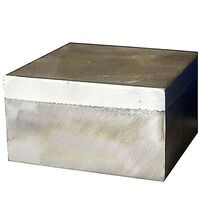
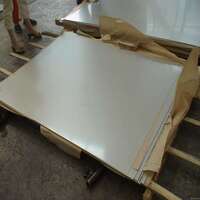
Oltre l'estetica, i metalli rivestiti svolgono un ruolo fondamentale nell’industria pesante. Clad steel plates—like those made from mild steel plate bonded with stainless steel metal plate—are used in chemical processing, shipbuilding, and pressure vessels.
Alloy clad variants, compreso 2024 T3 rivestito e 7075 Alluminio rivestito T6, offer enhanced strength-to-weight ratios for aerospace applications. Nel frattempo, boiler plate steel and thick steel plate products are often upgraded via cladding to resist corrosion in harsh environments.
Specialized plates such as chrome carbide overlay, inconel 625 sovrapposizione di saldatura, and electroless nickel-coated surfaces address extreme wear and temperature challenges. Titanium clad and nickel brass clad copper further extend functionality in marine and petrochemical sectors.
5. Rivestimenti metallici nei sistemi elettrici e di isolamento
Il rivestimento in metallo non si limita agli esterni. Metal clad electrical wire—also called armored cable—is widely used in commercial buildings for fire resistance and mechanical protection. Aluminum clad wire and cu clad wire variants optimize conductivity and shielding.
Allo stesso modo, aluminum clad pipe insulation enhances thermal efficiency in HVAC and industrial piping. Metal clad insulation systems integrate reflective barriers with vapor control, improving energy performance in metal clad buildings and sheds.
6. Material Comparisons and Selection Criteria
La scelta del giusto tipo di rivestimento metallico dipende dall'ambiente, bilancio, e intento progettuale. Ad esempio:
- Corten steel plate excels in outdoor sculptures and facades but requires proper drainage to avoid staining.
- Gradi di lamiera di acciaio inossidabile (per esempio., 316Piastra L SS) offer superior corrosion resistance for coastal installations.
- Aluminum diamond tread plate or aluminium checker plate provides slip resistance for walkways and industrial flooring.
- PAC CLAD HWP and pac clad coping systems deliver integrated solutions for roof edges and parapets.
Cost considerations matter: while corten steel siding cost may exceed traditional siding, lifecycle savings often offset initial expenses. Allo stesso modo, zinc metal siding commands a premium but lasts over 80 anni.
7. Conclusione
Metal clad technologies continue to evolve, merging engineering precision with architectural expression. From steel clad houses featuring vertical standing seam metal siding to titanium-clad skyscrapers, these systems offer unmatched versatility. Whether specifying a stainless steel checker plate for industrial flooring or selecting aluminum clad stainless steel for piping, understanding the nuances of clad metal meaning and application ensures optimal performance and value.
Il nostro sito web è stato fondato ad ottobre 17, 2012, è un'impresa high-tech impegnata nella ricerca e nello sviluppo, produzione, elaborazione, vendita e servizi tecnici di materiali relativi alla ceramica come il metallo. I nostri prodotti includono, ma non sono limitati a, prodotti ceramici al carburo di boro, Prodotti ceramici in nitruro di boro, Prodotti ceramici in carburo di silicio, Prodotti ceramici in nitruro di silicio, Prodotti ceramici al biossido di zirconio, ecc. Se sei interessato, non esitate a contattarci.