



Негізгі қорытындылар
- Annealing softens metal plates for improved formability and stress relief; tempering increases toughness after hardening.
- Annealed plates have low hardness and high ductility; tempered plates offer a balanced combination of hardness and toughness.
- The choice depends on whether the application requires extensive shaping (annealed) or impact resistance and load-bearing (tempered).
- Both processes require precise temperature and cooling control to achieve consistent mechanical properties.
What Is the Difference Between Annealed and Tempered Metal Plates?
Distinct heat treatment processes produce annealed and tempered metal plates, altering the mechanical properties of the base metal. The primary difference lies in the intended outcome: annealing softens the metal to improve ductility and relieve internal stresses, while tempering increases toughness and reduces brittleness after hardening. Both treatments are applied to ferrous and non-ferrous alloys, but they serve different stages of material processing and final use.
Annealing involves heating the metal to a specific temperature, holding it there, and then cooling it slowly—typically in a furnace. This process recrystallizes the grain structure, making the metal softer, more formable, and less prone to cracking during shaping. Шынықтыру, басқа жақтан, is performed on metal that has already been hardened (мысалы, through quenching). It reheats the metal to a moderate temperature and then cools it at a controlled rate, balancing hardness with toughness to avoid excessive brittleness.
These differences matter when selecting metal plates for structural, автомобиль, аэроғарыш, or decorative applications. The choice between annealed and tempered plates directly impacts machinability, дәнекерлеу қабілеті, and long-term performance under stress.
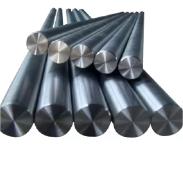
Heat Treatment Process Comparison
Annealing consists of three stages: жылыту, soaking, and slow cooling. The heating temperature ranges from just above the recrystallization point to well into the austenitic range for steels, қорытпасына байланысты. Soaking ensures uniform temperature throughout the plate, and slow cooling (often in the furnace) allows the microstructure to reach a soft, equilibrium state. Common annealing variants include full annealing, process annealing, and stress relief annealing.
Tempering always follows a hardening step like quenching. The hardened metal is reheated below its critical point (typically 150°C to 650°C for steels) and held before cooling. The exact temperature determines final properties: lower tempering temperatures produce higher hardness and wear resistance, while higher temperatures yield greater toughness and ductility. The cooling rate after tempering is usually air cooling but can be controlled for specific results.
Температура, уақыт, and cooling rate must be precisely controlled to achieve desired properties in annealed or tempered plates. Deviations can cause inconsistent grain size, residual stresses, or unintended hardness levels.
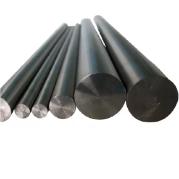
Mechanical Properties and Performance
Annealed metal plates exhibit lower hardness and tensile strength but significantly higher elongation and formability. This makes them ideal for operations like bending, deep drawing, and stamping where the material must deform without cracking. The softer structure also improves machinability, reducing tool wear during cutting or drilling.
Tempered metal plates achieve a compromise between hardness and toughness. After quenching, the metal is very hard but brittle; tempering reduces hardness slightly while dramatically increasing impact resistance and ductility. Мысалы, a hardened steel plate might have a Rockwell hardness of 60 HRC, but tempering can bring it down to 45–55 HRC while raising elongation from near zero to several percent. This balance is essential for load-bearing components that face dynamic stresses.
Both treatments affect corrosion resistance indirectly through microstructural changes, but neither is primarily used for corrosion protection like коррозияға төзімді легирленген пластиналар. Plates intended for corrosive environments, сияқты marine-grade aluminium plates, often require additional coatings or careful selection of common alloying elements regardless of heat treatment.
| Салыстыру аспектісі | Annealed Metal Plates | Tempered Metal Plates |
|---|---|---|
| Primary Purpose | Soften metal, relieve internal stresses, improve ductility | Increase toughness, reduce brittleness after hardening |
| Process Sequence | Heat to recrystallization temperature, soak, slow cool | Applied after hardening (сөндіру); reheat to moderate temperature, then cool |
| Қаттылық | Төмен (мысалы, Rockwell B 50-80 for steels) | Medium to high (мысалы, Rockwell C 35-55 for steels) |
| Иілгіштік / Ұзарту | Жоғары (мысалы, 25-40% elongation for low-carbon steel) | Орташа (мысалы, 10-20% elongation after tempering) |
| Созылу күші | Low to moderate | Жоғары (approaching hardened level but with added toughness) |
| Typical Cooling Method | Slow cooling in furnace or insulated environment | Air cooling or controlled cooling after reheating |
| Жалпы қолданбалар | Forming, штамптау, deep drawing, machining feedstock | Load-bearing components, machine parts, құралдар, structural elements |
| Дәнекерлеу мүмкіндігі | Generally excellent | Good but may require pre/post-weld heat treatment to avoid cracking |
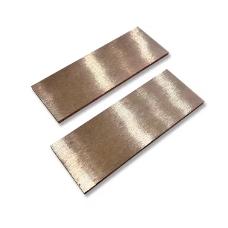
Типтік қолданбалар
Annealed metal plates are used in industries requiring extensive shaping, including automotive body panels, enclosures, ыдыс, and architectural cladding with complex geometry. They also serve as feedstock for subsequent cold working or machining operations. In welding, annealed plates are easier to weld without cracking.
Tempered plates are chosen for structural parts that must absorb impact or cyclic loads without failure, such as machine frames, беріліс, shafts, bridge components, және қысымды ыдыстар. Аэроғарышта, tempered aluminum alloys (мысалы, 7075-T6) provide the strength-to-weight ratio required for airframe skins and wing spars. Tool steels are tempered to withstand wear while resisting chipping.
The selection between annealed and tempered plates depends on the balance of formability versus final strength required by the end use. Көптеген жағдайларда, plates are supplied in the annealed condition and subsequently heat-treated (including tempering) after fabrication.
Жиі қойылатын сұрақтар
Can a metal plate be both annealed and tempered?
Иә, a plate can be annealed first for formability, then hardened and tempered later to achieve final strength. Some applications start with annealed stock and perform hardening and tempering after machining or forming.
Қайсысы күшті: annealed or tempered metal plates?
Tempered plates are generally stronger and harder than annealed plates, because tempering follows a hardening step. Дегенмен, the exact strength depends on the alloy and tempering temperature used.
Are annealed plates easier to weld than tempered plates?
Иә, annealed plates are usually easier to weld because the softer, more ductile structure reduces the risk of cracking. Tempered plates may require preheating and post-weld heat treatment to maintain toughness in the heat-affected zone.
Metal Plates 4u is a large enterprise focusing on the research, дамыту, мыс өнімдерін өндіру және сату. Бірнеше өндірістік базалармен және Р&D орталықтары, оның мыс өнімдері ішкі және сыртқы нарықта жақсы сатылып, тұтынушылардың көңілінен шықты.
Толық әртүрлілік, тамаша сапа, инновациялық зерттеулер мен әзірлемелер. Арнайы қызметтер мен кәсіби кеңес алуға болады. Егер сізге металдан жасалған бұйымдар қажет болса, бізге хабарласыңыз.