



ការដកយកសំខាន់ៗ
- Corrosion-resistant alloy plates rely on a protective passive film that self-heals to prevent corrosion.
- Common types include stainless steels, នីកែលយ៉ាន់ស្ព័រ, យ៉ាន់ស្ព័រទីតានីញ៉ូម, and copper-based alloys, each suited to specific environments.
- Alloying elements like chromium, ម៉ូលីបដិន, and nickel directly enhance oxide layer stability and resistance to pitting, ការបំបែក, and general corrosion.
- Selection depends on operating conditions including chemical media, សីតុណ្ហភាព, សម្ពាធ, and mechanical requirements.
What Are Corrosion-Resistant Alloy Plates and How Do They Work?
Corrosion-resistant alloy plates are specialized metal plates that resist degradation from chemical, electrochemical, or environmental reactions. They work by incorporating alloying elements that form a protective surface layer or modify the metal's microstructure, significantly slowing corrosion rates in aggressive environments such as seawater, acidic process streams, or high-temperature oxidation.
The core mechanism is the formation of a stable, adherent passive film (often an oxide layer) on the plate surface. This film acts as a barrier against corrosive agents. Alloying elements can also enhance resistance by refining grain structure, reducing galvanic potential, or improving toughness under corrosive attack.
These plates differ from standard carbon steel plates because their composition is deliberately adjusted to prioritize corrosion resistance over properties like cost or raw strength. Typical alloying additions include chromium, នីកែល, ម៉ូលីបដិន, ទីតាញ៉ូម, និងទង់ដែង, each contributing in specific ways to passive film stability and overall durability.
| ទិដ្ឋភាព | ការពន្យល់ |
|---|---|
| Definition | Metal plates designed to resist degradation from chemical, electrochemical, or environmental reactions. |
| Working Mechanism | Formation of a stable passive oxide layer that acts as a barrier and self-heals when damaged. |
| ធាតុលោហធាតុ | ក្រូមីញ៉ូម, នីកែល, ម៉ូលីបដិន, ទីតាញ៉ូម, copper each contribute to passive film stability and resistance. |
| Self-Healing | Damaged passive film re-forms in the presence of oxygen, restoring protection. |
| Key Applications | ដំណើរការគីមី, ប្រេង & ឧស្ម័ន, សមុទ្រ, ការបង្កើតថាមពល, ឱសថ, ការកែច្នៃអាហារ. |
| Selection Factors | Corrosive media, សីតុណ្ហភាព, សម្ពាធ, លក្ខណៈសម្បត្តិមេកានិច, ភាពអាចផ្សារបាន។, ចំណាយ. |
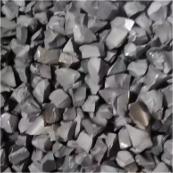
Common Types and Compositions of Corrosion-Resistant Alloy Plates
Corrosion-resistant alloy plates come in several families, each tailored for specific corrosive environments. ដែកអ៊ីណុក, containing at least 10.5% ក្រូមីញ៉ូម, are among the most widely used. The chromium forms a chromium oxide passive film that self-heals in the presence of oxygen.
យ៉ាន់ស្ព័រដែលមានមូលដ្ឋានលើនីកែល។, such as Hastelloy or Inconel, offer superior resistance to pitting, ការ corrosion crevice, and stress corrosion cracking in highly acidic or chloride-rich conditions. They typically contain high percentages of nickel, ម៉ូលីបដិន, និងក្រូមីញ៉ូម.
Titanium alloys provide exceptional resistance to seawater, oxidizing acids, and chlorine compounds. Their passive titanium dioxide film is extremely stable. Copper-based alloys, like naval brass or cupronickel, are often used in marine applications due to their resistance to biofouling and corrosion in seawater.
Each alloy family has a defined operating range for temperature, pH, and chemical concentration. Selecting the right type depends on matching the plate's corrosion resistance profile to the specific corrosive agents and operating conditions expected in the application.
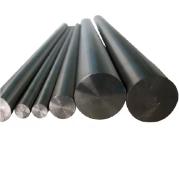
How Do Corrosion-Resistant Alloy Plates Work? Mechanisms Explained
The primary mechanism is the formation of a passive film. When the alloy is exposed to an oxidizing environment, elements like chromium, នីកែល, or titanium react with oxygen to create a thin, dense oxide layer that is chemically inert. This layer prevents further direct contact between the metal and the corrosive medium.
Self-healing ability is a critical feature. If the passive film is mechanically damaged, the underlying metal rapidly re-forms the oxide layer in the presence of oxygen, restoring protection. This passivation process depends on alloy composition and environmental conditions such as pH and oxidizer concentration.
Beyond the passive film, alloying elements contribute through other mechanisms. ឧទាហរណ៍, molybdenum enhances resistance to pitting in chloride environments by stabilising the passive film and reducing the initiation of localised attack. Nickel improves resistance to reducing acids and stress corrosion cracking. Copper additions can enhance resistance to atmospheric corrosion and biofouling in seawater.
Grain boundary engineering and heat treatment also affect corrosion resistance. Controlled processing can minimise the precipitation of chromium carbides at grain boundaries, preventing intergranular corrosion (sensitisation) in stainless steels. The overall effect is a material that maintains its integrity over a much longer service life compared to standard metals in corrosive environments.
Key Applications of Corrosion-Resistant Alloy Plates
Corrosion-resistant alloy plates are essential in industries where equipment is exposed to harsh chemicals, ទឹកសមុទ្រ, or high-temperature oxidising conditions. នៅក្នុងដំណើរការគីមី, they are used for reactors, ឧបករណ៍ផ្លាស់ប្តូរកំដៅ, ធុងផ្ទុក, and piping systems handling acids, អាល់កាឡាំង, and organic solvents.
The oil and gas industry uses these plates for offshore platforms, subsea equipment, and refinery vessels where sour gas (H₂S), CO₂, and brine cause severe corrosion. Marine applications include ship hulls, propeller shafts, and desalination plants. ឧបករណ៍ផលិតថាមពល, especially nuclear and geothermal plants, rely on corrosion-resistant alloys for steam generators and cooling water systems.
Pharmaceutical and food processing equipment also benefits from these materials because they resist corrosion from cleaning agents and process fluids while maintaining purity. In pollution control, flue-gas desulfurization scrubbers and waste incinerators use these plates to handle acidic combustion byproducts.
Each application imposes specific demands: temperature limits, pressure requirements, and the presence of chlorides or sulfides all influence the choice of alloy plate. Proper material selection ensures safety, ភាពជឿជាក់, and reduced maintenance costs over the asset's lifetime.
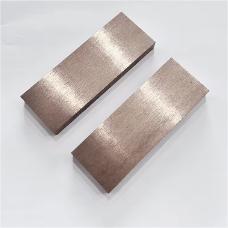
How to Choose the Right Corrosion-Resistant Alloy Plate
Selecting the right corrosion-resistant alloy plate requires evaluating the operating environment: the type and concentration of corrosive media, ជួរសីតុណ្ហភាព, សម្ពាធ, and whether exposure is continuous or intermittent. ឧទាហរណ៍, chloride-rich environments at elevated temperatures typically require molybdenum-bearing stainless steels or nickel alloys.
Mechanical properties must also be considered — the plate must have sufficient strength and toughness for the structural load. Fabrication and weldability are important because some alloys require special welding procedures to maintain corrosion resistance. Economic factors like initial material cost versus expected service life and maintenance savings can guide the decision.
Standards and certifications from organisations such as ASTM, ASME, and NACE provide guidelines for material composition, ការធ្វើតេស្ត, and quality assurance. Consulting with material engineers or suppliers helps match the plate to the specific corrosion risk profile, ensuring reliable performance and compliance with industry codes.
Testing coupons and field trials are often conducted to validate material performance under actual service conditions before large-scale procurement. The goal is to achieve a balance between corrosion resistance, mechanical integrity, and cost-effectiveness for the intended application.
សំណួរដែលគេសួរញឹកញាប់
What is a passive film and how does it protect alloy plates?
A passive film is a thin, chemically inert oxide layer that forms naturally on the surface of corrosion-resistant alloys. It acts as a barrier that prevents corrosive substances from contacting the underlying metal. When damaged, the film can self-heal in the presence of oxygen, restoring protection.
Which alloy is best for seawater applications?
Nickel-based alloys containing molybdenum (ឧ., Hastelloy C-276) and titanium alloys are often preferred for seawater due to their excellent resistance to chloride-induced pitting and crevice corrosion. Stainless steels with high molybdenum content (ឧ., 316អិល, 904អិល) can also perform well in many marine environments.
Can corrosion-resistant alloy plates be welded without losing corrosion resistance?
បាទ, but special welding procedures are often required. For stainless steels, low-heat input and filler metals matching the base composition help avoid sensitisation and maintain passive film stability. Post-weld heat treatment or pickling may be needed to restore the protective oxide layer.
How long do corrosion-resistant alloy plates last compared to carbon steel?
Service life depends on the specific environment and alloy. In aggressive conditions, corrosion-resistant alloy plates can last many times longer than carbon steel — often decades versus months or years. The exact life is determined by factors like temperature, chemical concentration, និងភាពតានតឹងមេកានិច.
Metal Plates 4u is a large enterprise focusing on the research, ការអភិវឌ្ឍន៍, ការផលិត និងលក់ផលិតផលស្ពាន់. ជាមួយនឹងមូលដ្ឋានផលិតកម្មជាច្រើននិង R&មជ្ឈមណ្ឌល D, ផលិតផលទង់ដែងរបស់ខ្លួនលក់បានយ៉ាងល្អនៅក្នុងទីផ្សារក្នុងស្រុក និងក្រៅប្រទេស ហើយត្រូវបានទទួលយ៉ាងល្អពីអតិថិជន.
ពូជពេញលេញ, គុណភាពល្អឥតខ្ចោះ, ការស្រាវជ្រាវ និងការអភិវឌ្ឍន៍ប្រកបដោយការច្នៃប្រឌិត. មានសេវាកម្មតាមតម្រូវការ និងការប្រឹក្សាប្រកបដោយវិជ្ជាជីវៈ. ប្រសិនបើអ្នកត្រូវការផលិតផលធ្វើពីដែក, សូមទាក់ទងមកយើងខ្ញុំដោយសេរី.