



주요 시사점
- Marine-grade aluminium plates are alloyed with magnesium, 망간, and silicon to form a protective oxide layer that resists saltwater corrosion.
- The self-healing oxide film (aluminium oxide) is the primary mechanism for corrosion resistance.
- 5xxx series (Al-Mg) alloys are preferred for full immersion; 6xxx series (Al-Mg-Si) are used for structural applications.
- Proper alloy selection, 설계, 및 유지 보수 (예를 들어, fresh water washing, galvanic isolation) maximize service life.
- Common applications include ship hulls, 해양 플랫폼, docks, 해양 인프라.
Understanding Marine-Grade Aluminium Plates
Marine-grade aluminium plates are aluminium alloy sheets designed to withstand the corrosive saltwater environment. Unlike standard aluminium, they contain alloying elements such as magnesium, 망간, and sometimes silicon that enhance natural corrosion resistance. The primary reason is the formation of a thin, 안정적인, self-repairing oxide layer on the surface when exposed to oxygen. This layer, primarily aluminium oxide (Al₂O₃), acts as a barrier, preventing further oxidation and protecting the underlying metal. 해양 환경에서, this passive film remains intact even in the presence of chlorides, which break down the protective layers of many other metals.
"Marine-grade" is not a single standard; it refers to alloys tested and proven to resist pitting, 틈새 부식, and stress corrosion cracking in seawater. Common examples include alloys from the 5xxx series (aluminium-magnesium) and 6xxx series (aluminium-magnesium-silicon). These alloys balance strength, 성형성, and long-term durability in marine environments. Proper heat treatment and surface finishing during manufacturing also maximize corrosion resistance. When specified correctly, marine-grade aluminium plates can provide decades of service in shipbuilding, offshore structures, and coastal infrastructure without requiring heavy protective coatings.
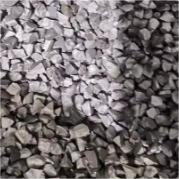
Why Marine-Grade Aluminium Plates Resist Corrosion
The corrosion resistance of marine-grade aluminium plates results from the spontaneous formation of a passive oxide film on the metal surface. When exposed to air, aluminium reacts with oxygen to form a layer of aluminium oxide only a few nanometers thick yet dense and adherent. This film is chemically inert in most environments, 바닷물을 포함한, and effectively seals the metal from further oxidation. If scratched or damaged, the film reforms almost instantly in oxygen, a property called self-healing. This mechanism is key to aluminium's longevity in marine applications.
Alloying elements also play a critical role. Magnesium improves the stability of the oxide film in chloride-rich environments. Manganese enhances resistance to intergranular corrosion. Composition is balanced to avoid galvanic cells that accelerate corrosion. Eliminating copper (as in 5xxx series) removes a common cause of pitting corrosion. The combined effect allows marine-grade aluminium plates to resist saltwater, 습기, and UV radiation far better than carbon steel or even some stainless steels in certain conditions.
While marine-grade aluminium plates are highly resistant, they are not immune to corrosion. Factors such as crevices, stagnant water, and contact with dissimilar metals can still lead to localized corrosion. Proper design—drainage, 밀봉, and insulating materials—is necessary to maintain protective properties. Regular cleaning to remove salt deposits and debris also helps preserve the oxide layer and extend service life.
| Factor | Explanation |
|---|---|
| Natural Oxide Layer | Forms a thin, 안정적인, self-healing film of aluminium oxide that blocks further corrosion. |
| Alloying Elements | 마그네슘, 망간, and silicon enhance the stability of the oxide film in chloride environments. |
| No Copper Content | Many marine-grade alloys avoid copper, which can cause pitting corrosion in seawater. |
| 열처리 | Proper tempering ensures optimal mechanical properties and corrosion resistance. |
| 표면 마무리 | 깨끗한, smooth surfaces reduce sites for corrosion initiation. |
| Galvanic Compatibility | Use of insulators prevents galvanic corrosion when contacting dissimilar metals. |
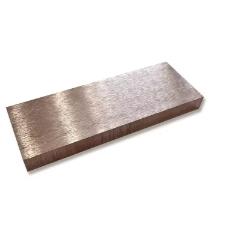
Common Alloys Used in Marine-Grade Aluminium Plates
The most common marine-grade aluminium alloys are the 5xxx series (aluminium-magnesium) and 6xxx series (aluminium-magnesium-silicon). The 5xxx series, such as alloys 5083, 5086, 그리고 5052, offer excellent corrosion resistance, 고강도, 그리고 좋은 용접성, making them ideal for ship hulls, 갑판, and superstructures. These non-heat-treatable alloys gain strength from solid solution and strain hardening, and retain corrosion resistance after welding.
The 6xxx series, including alloys 6061 그리고 6082, provide moderate strength and good corrosion resistance, with excellent extrudability and machinability. They are often used for structural components, 난간, and masts where forming and joining are required. 하지만, they are more susceptible to corrosion than 5xxx alloys in some marine environments, and are typically used with surface protection or in less aggressive areas. The choice between series depends on the specific application, 필요한 강도, 성형성, 그리고 비용.
Other series like 3xxx (aluminium-manganese) are also used for some marine applications but offer lower strength. Select an alloy tested and certified for marine service, often indicated by classification society standards (예를 들어, DNV, ABS, Lloyd's Register). These standards ensure that the material meets specific requirements for corrosion resistance, 기계적 성질, and quality control.
Applications in Marine Environments
Marine-grade aluminium plates are widely used in shipbuilding, 해양 플랫폼, and coastal infrastructure. 조선업에서, they are employed for hull plating, deck panels, bulkheads, and superstructures. Their light weight reduces fuel consumption and increases payload, while corrosion resistance minimizes maintenance and repair costs. Aluminum is also favored for high-speed craft, ferries, and naval vessels where weight savings are critical.
Offshore structures—oil rigs, wind turbine platforms, subsea equipment—benefit from its durability and low maintenance. It is used for helidecks, 통로, gratings, and containment systems. In coastal infrastructure, aluminium plates are found in docks, piers, seawalls, and bridges, where they resist the corrosive effects of salt spray and tidal fluctuations. The material is also popular in marine aquaculture, such as fish farm cages and processing equipment, due to its hygiene and non-toxic nature.
Beyond structural applications, marine-grade aluminium plates are used for fuel tanks, 관, 열교환기, and electrical enclosures aboard ships. Their thermal conductivity and non-magnetic properties suit specialized equipment. The versatility and reliability of marine-grade aluminium make it a preferred material for applications where exposure to seawater or marine atmosphere is unavoidable.
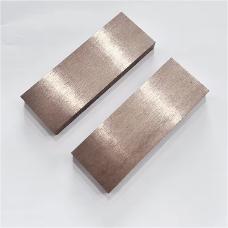
Key Considerations for Selection and Maintenance
Several factors affect the performance of marine-grade aluminium plates. 첫 번째, match the alloy to the environment: for constant immersion in seawater, use 5xxx series; for splash zones and atmospheric exposure, 6xxx series may suffice. 두번째, thickness and temper affect strength and corrosion resistance. 제삼, fabrication processes (절단, 용접, forming) must avoid introducing stress risers or contamination that could initiate corrosion.
Maintenance is straightforward but essential. Regular fresh water washing to remove salt deposits—especially after sea spray exposure—is the most effective preventive measure. The natural oxide layer does not require coatings, but if painting is desired, proper surface preparation (예를 들어, 에칭, conversion coating) is necessary to ensure adhesion. Provide galvanic isolation when aluminium contacts dissimilar metals (예를 들어, 스테인레스 스틸, 구리) 갈바닉 부식을 방지하기 위해. Using plastic shims, rubber gaskets, or corrosion-resistant coatings at joints can mitigate this risk.
Inspection should target signs of pitting, 틈새 부식, or stress corrosion cracking, especially in highly stressed areas or welds. Early detection allows for local repair or replacement. With proper selection and routine care, marine-grade aluminium plates can deliver a service life of 20 에게 30 년 이상, even in the most demanding marine environments.
자주 묻는 질문
What is the difference between marine-grade aluminium and standard aluminium?
Marine-grade aluminium contains specific alloying elements (예를 들어, 마그네슘, 망간) that enhance its corrosion resistance in saltwater environments. Standard aluminium lacks these additions and may corrode more quickly when exposed to chlorides.
Can marine-grade aluminium be welded without losing corrosion resistance?
예, but proper welding techniques and filler materials must be used. For 5xxx series alloys, welding usually preserves corrosion resistance if the correct filler alloy is chosen. Post-weld cleaning and passivation help maintain the oxide layer.
How long do marine-grade aluminium plates last in seawater?
With proper selection and maintenance, marine-grade aluminium plates can last 20 에게 30 years or more in seawater applications. Actual lifespan depends on alloy, 환경, and maintenance practices.
Do marine-grade aluminium plates need to be painted?
아니요, they do not require paint for corrosion protection because the natural oxide layer provides sufficient resistance. Painting is optional for aesthetic reasons or to reduce fouling, but surface preparation is critical for paint adhesion.
Metal Plates 4u is a large enterprise focusing on the research, 개발, 구리제품 생산 및 판매. 다수의 생산기지와 R을 보유&D 센터, 자사의 구리 제품은 국내외 시장에서 잘 팔리고 고객들로부터 호평을 받고 있습니다..
완전한 다양성, 우수한 품질, 혁신적인 연구 개발. 맞춤형 서비스와 전문적인 상담이 가능합니다. 금속 피복 제품이 필요한 경우, 저희에게 연락하게 자유롭게 느끼십시오.