



Principais conclusões
- Marine-grade aluminium plates are high-performance alloys tailored for seawater and coastal environments.
- Corrosion resistance comes from a self-repairing aluminium oxide layer and optimized alloying elements.
- Common alloys include 5xxx and 6xxx series, combining strength, soldabilidade, and light weight.
- Proper design and maintenance are essential to avoid localized corrosion in aggressive conditions.
Definition of Marine-Grade Aluminium Plates
Marine-grade aluminium plates are aluminium alloys designed and processed to withstand harsh marine conditions—seawater, spray de sal, and high humidity. They resist corrosion, maintain structural integrity, and provide long service life in shipbuilding, plataformas offshore, e infraestrutura costeira.
The core property distinguishing marine-grade aluminium from standard aluminium is enhanced corrosion resistance, achieved through alloy composition, thermal treatment, and surface protection. Common marine alloy series include 5xxx (Al-Mg) and 6xxx (Al-Mg-Si), como 6082 aluminium alloy, which offer good weldability, conformabilidade, and strength alongside corrosion resistance.
| Aspect | Descrição |
|---|---|
| Primary Alloy Families | 5xxx (Al-Mg) and 6xxx (Al-Mg-Si) série, offering good corrosion resistance and strength |
| Corrosion Protection Mechanism | Self-healing aluminium oxide layer, stabilized by alloying elements |
| Aplicações Típicas | Ship hulls, plataformas offshore, coastal structures, marine equipment |
| Advantages | Leve, alta relação resistência-peso, excelente soldabilidade, reciclável |
| Limitations | Susceptible to galvanic corrosion if not isolated from dissimilar metals; requires proper design |
How Corrosion Resistance Is Achieved
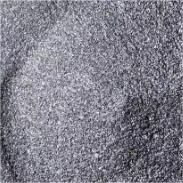
The corrosion resistance of marine-grade aluminium plates comes primarily from a thin, adherent, self-repairing aluminium oxide layer formed on the surface when exposed to oxygen. This passive layer acts as a barrier against corrosive agents like chloride ions in seawater. Alloying elements such as magnesium, silício, and manganese further stabilize the oxide layer and reduce susceptibility to pitting and crevice corrosion.
Marine-grade aluminium alloys are often manufactured with controlled grain structures and minimal impurity levels to avoid galvanic corrosion. Proper heat treatment and surface finishing (por exemplo, anodização) can further enhance the protective oxide film. Techniques such as Hastelloy clad plate welding also require precise control to preserve the oxide layer. Unlike steel, aluminium does not rust, and the oxide layer regenerates quickly if damaged, provided oxygen is available.
Even marine-grade aluminium has limits; prolonged exposure to highly aggressive conditions (por exemplo, stagnant seawater, extreme pH) may still cause localized corrosion. Portanto, design considerations such as drainage, avoidance of crevices, and isolation from dissimilar metals are recommended to maximize service life. Non-destructive inspection methods like phased array UT can detect bond defects in clad plates before they lead to failure.
Common Applications of Marine-Grade Aluminium Plates
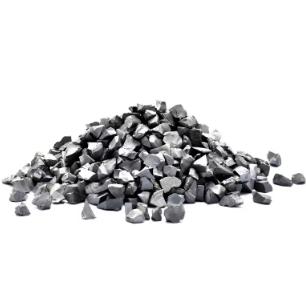
Marine-grade aluminium plates are widely used in boat hulls, superstructures, convés, anteparas, and fuel tanks. Their light weight compared to steel reduces vessel weight, improving fuel efficiency and payload capacity. Offshore platforms, usinas de dessalinização, and coastal bridges also employ these plates for cladding, passarelas, e componentes estruturais.
These plates are also used in marine equipment such as lifeboats, gangways, e tampas de escotilha. The combination of corrosion resistance, força, and weldability makes them suitable for demanding environments with limited maintenance access. Many marine-grade aluminium alloys are recyclable, supporting sustainability goals.
Perguntas frequentes
What makes aluminium marine-grade?
Marine-grade aluminium is produced with specific alloy compositions and processing that enhance corrosion resistance in seawater, typically from the 5xxx or 6xxx series.
Can marine-grade aluminium rust?
Não, aluminium does not rust like steel. It forms a protective oxide layer that prevents further oxidation. No entanto, localized corrosion can occur under certain conditions.
Is marine-grade aluminium stronger than regular aluminium?
Marine-grade aluminium alloys are designed to have good strength comparable to structural steel, but strength varies by alloy and temper. They are not necessarily stronger than all other aluminium grades, but they offer a balance of strength and corrosion resistance.
How long do marine-grade aluminium plates last?
With proper design and maintenance, marine-grade aluminium structures can last decades in marine environments. The exact lifespan depends on exposure conditions, alloy selection, and protective measures.
Metal Plates 4u is a large enterprise focusing on the research, desenvolvimento, produção e vendas de produtos de cobre. Com múltiplas bases de produção e R&Centros D, seus produtos de cobre vendem bem nos mercados interno e externo e são bem recebidos pelos clientes.
Variedade completa, excelente qualidade, pesquisa e desenvolvimento inovadores. Serviços personalizados e consultoria profissional estão disponíveis. Se você precisar de produtos revestidos de metal, não hesite em contactar-nos.