


**Shining Letters: The Secret Life of Metal in Nameplates**
(Метал који се користи у плочицама са именима?)
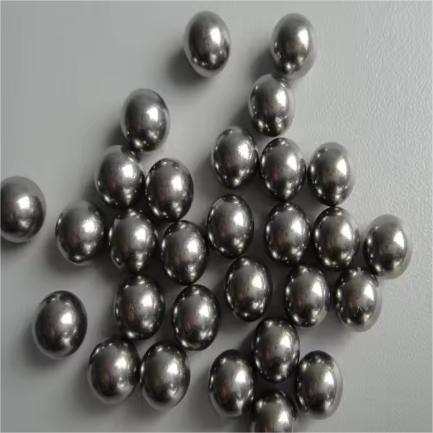
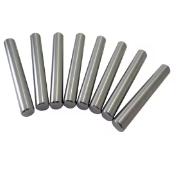
Nameplates are everywhere. You see them on office doors, машинерије, награде, even park benches. They tell you who someone is, what something does, or why a place matters. But have you ever stopped to think about what they’re made of? The answer is metal. Not just any metal, ипак. The choice of material isn’t random. It’s a quiet science mixed with art. Let’s dig into the metals hiding in plain sight on those polished little signs.
Aluminum is a top pick. То је светло, јефтино, and doesn’t rust. You’ll find it on office doors, етикете производа, or outdoor signs. Aluminum bends easily, so it’s simple to cut into shapes or stamp with letters. But it’s soft. Scratch it with a key, and it’ll show. That’s why fancy places skip aluminum. They want something tougher.
Stainless steel steps in here. It’s the muscle of metals. Јака, сјајна, and ignores rust like it’s nothing. Болнице, лабс, and industrial gear use stainless steel nameplates. They survive chemicals, вода, and rough handling. Лоша страна? It costs more. Cutting and engraving stainless steel needs special tools. But when you need a nameplate to outlive its owner, this is the go-to.
Brass is the classic choice. It’s warm, gold-like, and screams “old money.” Government buildings, historic sites, or high-end hotels use brass. It ages in a cool way, developing a greenish patina over time. Some people love that vintage look. Others polish it weekly to keep the shine. Brass is heavy, ипак. Hang a brass nameplate on a thin door, and the door might protest.
Copper is brass’s cousin. It’s softer, reddish, and bends even easier. You’ll spot copper nameplates in artsy cafes or boutique stores. It’s got a rustic vibe. Like brass, copper changes color outdoors, turning green if left alone. But copper isn’t as tough. A hard knock leaves a dent. Ипак, for places that value looks over longevity, copper works.
What about outdoor nameplates? Weather is the enemy. Aluminum handles rain but fades under sun. Stainless steel laughs at rain and snow. But there’s another option: бронза. Mixing copper and tin, bronze is pricey but survives decades outside. Parks, monuments, and ships use bronze plaques. They get dirty, sure, but a quick scrub brings back the details.
Factories and warehouses pick different metals. Machines need labels that won’t quit. Ево, steel or aluminum rules. These nameplates often have raised letters. Зашто? So you can read them even if the surface gets dirty. They might also add epoxy coatings to block chemicals. It’s not pretty, but it works.
How are these nameplates made? Most start as flat sheets. Machines cut them into shapes. Lasers or acid etch the words. Some are stamped, pressing letters into the metal. Polishing comes next. For extra flair, metals get painted or coated. A gold finish on brass? Цоммон. Black paint on aluminum? Makes letters pop.
Custom nameplates get fancy. Swirls, логос, even tiny art can be added. But the metal decides what’s possible. Soft metals like copper handle intricate designs. Hard metals like steel stick to simple fonts. Cost matters too. A stainless steel plate with laser art costs more than a basic aluminum tag.
Why does the metal choice matter? Think about a school. Classroom nameplates use aluminum—cheap, easy to replace. The principal’s office? Месинг, to impress visitors. A factory machine? Нерђајући челик, to survive grease and gloves. Each metal tells a story. It’s not just about lasting. It’s about looking the part.
(Метал који се користи у плочицама са именима?)
Next time you pass a nameplate, take a closer look. Is it sleek and modern? Probably stainless steel. Warm and fancy? Likely brass. Rustic and artsy? Could be copper. That tiny piece of metal isn’t just a label. It’s a quiet decision, a blend of function and style, hiding in everyday life.
Питајте нас
ако желите да сазнате више, слободно нас контактирајте. (нанотрун@иахоо.цом)