



טוט דאָס סאָונדס ווי דיין סיטואַציע?
איר פּלאַן אַ דרוק שיף פֿאַר אַ פאדערן דינסט. דער קליענט ספּעציפיצירט אַ הויך-פּרייַז צומיש ווי ינקאָנעל 625 אָדער Hastelloy C276. אבער ניצן אַז צומיש פֿאַר די גאנצע וואַנט גרעב? אַז איז אַ בודזשעט ומגליק. איר דאַרפֿן אַ מנהג גרייס ביימעטאַל קלאַד טעלער פֿאַר דרוק שיף ונטערשלאַק - אַ שטאַרק, קעראָוזשאַן-קעגנשטעליק שלאַבאַן באַנדאַד צו אַ פּרייַז-עפעקטיוו טשאַד שטאָל באַקינג. אבער ווי טאָן איר קלייַבן די רעכט איינער? דער מאַרק איז פול פון אָפּציעס. באַקומען עס פאַלש, און איר ריזיקירן בונד דורכפאַל, קעראָוזשאַן ליקס, אָדער פּרויעקט דילייז. לאמיר צוזאמען דורכשניידן דעם גערויש.
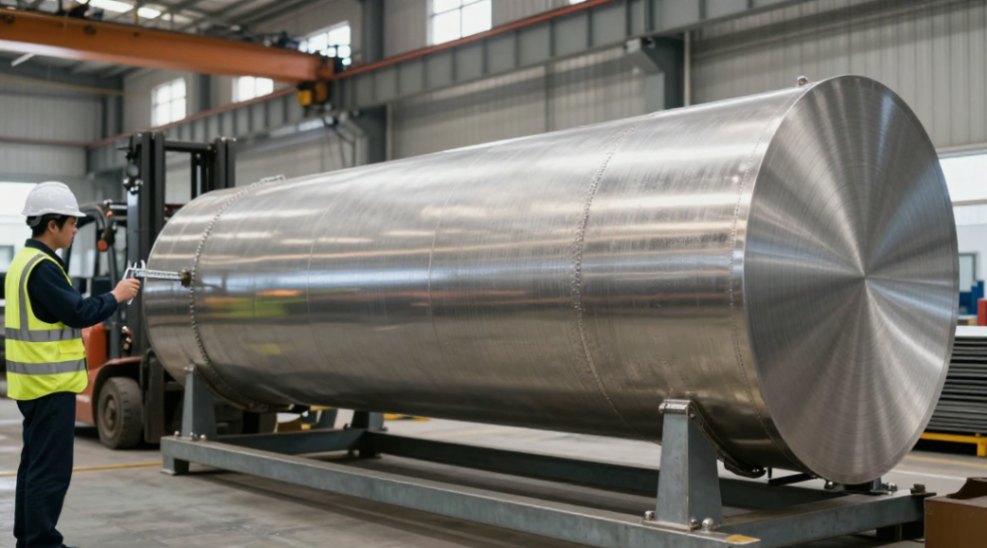
1. באַזע מעטאַל + קלאַדדינג מעטאַל: דער יסוד פון דיין ברירה
דיין סעלעקציע סטאַרץ מיט צוויי מאַטעריאַלס. די באַזע מעטאַל (באַקער) גיט סטראַקטשעראַל שטאַרקייַט. די קלאַדדינג מעטאַל (לייַנער) פייץ קעראָוזשאַן.
פּראָסט פּאָרינגז פֿאַר דרוק שיף ונטערשלאַק
- טשאַד שטאָל + SS316L: בעסטער פֿאַר גענעראַל קעראָוזשאַן קעגנשטעל אין כעמיש פּראַסעסאַז. פּרייַז-עפעקטיוו און וויידלי בנימצא.
- טשאַד שטאָל + ינקאָנעל 625: כאַנדאַלז אַגרעסיוו הויך-טעמפּעראַטור מידיאַ און קלאָרייד דרוק קעראָוזשאַן קראַקינג. א פּרעמיע ברירה.
- טשאַד שטאָל + Hastelloy C276: פֿאַר גאָר קעראָוסיוו ינווייראַנמאַנץ מיט שטאַרק אַסאַדז אָדער אַקסאַדייזינג אגענטן. די שפּיץ-ריי באַשיצער.
- טשאַד שטאָל + טיטאַניום: געניצט אין דעסאַליניישאַן אָדער סעוואַטער דינסט. לייטווייט אָבער פארלאנגט צו בונד.
מומחה עצה: דו זאלסט נישט איבער-ספּעציפיצירן די קלאַדדינג. אויב דיין פליסיק איז מיילדלי אַסידיק ביי 80 ° C, SS316L וועט שפּאָרן איר געלט. היט Hastelloy פֿאַר די טאַקע פּאַסקודנע דזשאָבס.
2. Explosion Bonding vs. ראָלל באָנדינג: צוויי ראָודז צו איין דעסטיניישאַן
דאָס זענען די צוויי הויפּט מאַנופאַקטורינג מעטהאָדס פֿאַר אַ מנהג גרייס ביימעטאַל קלאַד טעלער פֿאַר דרוק שיף ונטערשלאַק. זיי זענען נישט ינטערטשיינדזשאַבאַל. וויסן די חילוק.
יקספּלאָוזשאַן באַנדינג (עקספּלאָסיווע וועלדינג)
- ווי עס אַרבעט: א קאַנטראָולד יקספּלאָוסיוו אָפּצאָל דרייווז די קלאַדדינג מעטאַל אַנטו די באַזע מעטאַל מיט הויך גיכקייַט. די מעטאַלס וועלד צוזאַמען אויף פּראַל.
- בונד אָרנטלעכקייַט: דאָס איז אַ אמת מעטאַלערדזשיקאַל בונד. קיין פיללער מעטאַל. קיין היץ-אַפעקטאַד זאָנע פּראָבלעמס.
- שערן שטאַרקייַט: טיפּיקאַללי יקסידז 140 מפּאַ (20,000 psi). פיל שטארקער ווי מעטשאַניקאַל ונטערשלאַק.
- בעסטער פֿאַר: גרויס פּלאַטעס, דיק קלאַדדינג לייַערס, און שווער-צו-וועלד מעטאַל קאַמבאַניישאַנז (ע.ג., טיטאַניום צו שטאָל).
ראָלל באָנדינג
- ווי עס אַרבעט: צוויי אָדער מער מעטאַל לייַערס זענען העאַטעד און דורכגעגאנגען דורך שווער ראָולערז. דרוק און היץ מאַכן די בונד.
- בונד אָרנטלעכקייַט: גוט, אָבער קענען האָבן נידעריקער שערן שטאַרקייַט ווי יקספּלאָוזשאַן באַנדינג פֿאַר עטלעכע מאַטעריאַל פּערז.
- בעסטער פֿאַר: טינער פּלאַטעס, הויך-באַנד פּראָדוקציע, און סימפּלער מעטאַל קאַמבאַניישאַנז (ע.ג., SS304 אויף טשאַד שטאָל).
דער משפט: פֿאַר קריטיש דרוק שיף ונטערשלאַק ווו בונד דורכפאַל איז נישט אַן אָפּציע, יקספּלאָוזשאַן באַנדינג ווינס יעדער מאָל. עס דיליווערז אַ קאָנסיסטענט, הויך-שטאַרקייַט בונד איבער גרויס מנהג סיזעס.
3. ASTM & ASME קאָמפּליאַנסע: דיין זיכערקייַט נעץ
דו זאלסט נישט אָננעמען אַ ביימעטאַל קלאַד טעלער מיט מנהג גרייס פֿאַר דרוק שיף ונטערשלאַק אָן געהעריק סטאַנדאַרדס. דאס זענען דיין זיכערהייט.
שליסל סטאַנדאַרדס איר מוזן זען
- ASTM A263: ומבאַפלעקט קראָומיאַם שטאָל קלאַד טעלער.
- ASTM A264: ומבאַפלעקט קראָומיאַם-ניקאַל שטאָל קלאַד טעלער (ע.ג., SS304, SS316).
- ASTM B898: ריאַקטיוו און ראַפראַקטערי מעטאַל קלאַד טעלער (טיטאַניום, טאַנטאַלום, זירקאָניום).
- ASME אָפּטיילונג VIII דיוויזשאַן 1: די דרוק שיף קאָד. עס דיקטייץ ווי קלאַד פּלאַטעס זענען געניצט אין שיף קאַנסטראַקשאַן.
וואָס דאָס מיינט פֿאַר איר: פרעגן דיין סאַפּלייער פֿאַר אַ מיל פּרובירן באַווייַזן (MTC) וואָס בפירוש רעפערס צו די ASTM סטאַנדאַרדס. אויב זיי קווענקלען, גיין אַוועק.
4. מנהג דימענשאַנז, גרעב פאַרהעלטעניש, און פלאַטנאַס: דער שטן איז אין די דעטאַילס
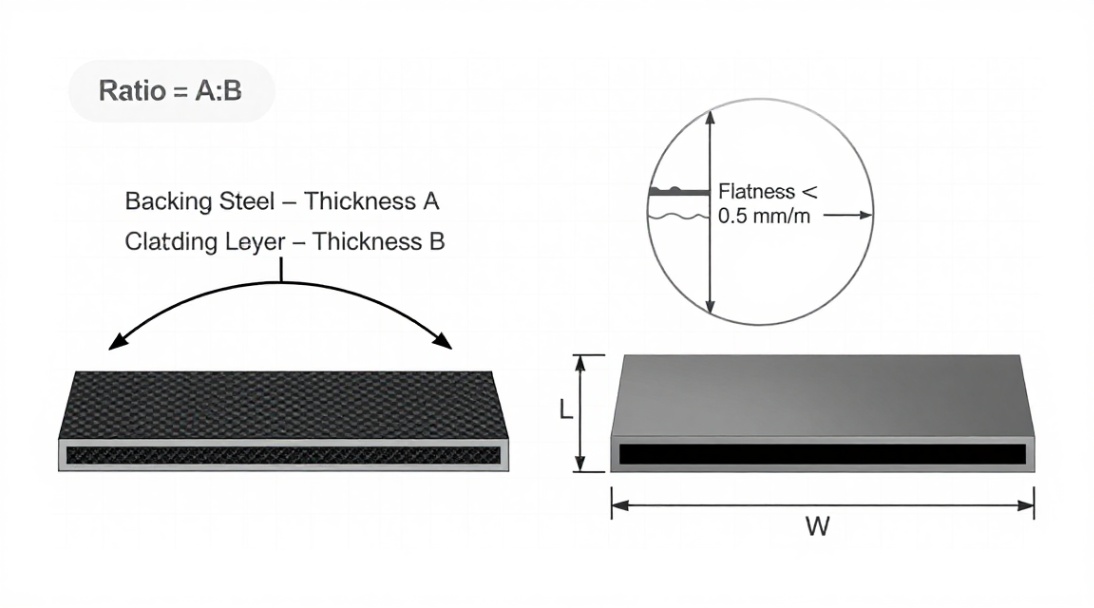
- קוילעלדיק דימענשאַנז (לענג רענטגענ ברייט): מינאַמייז וועלדז אויף די שיף שאָל. גרעסערע פּלאַטעס מיינען ווייניקערע סימז.
- גרעב פאַרהעלטעניש (קלאַדדינג / גאַנץ): טיפּיש קלאַדדינג גרעב איז 2-5 מם אויף אַ 10-50 מם באַזע טעלער. אָבער איר קענען גיין טיקער אויב דארף.
- פלאַטנאַס טאָלעראַנץ: דרוק שיף שאָל פאָרמינג ריקווייערז ענג פלאַטנאַס (ע.ג., ין 3 מם פּער מעטער). וואָרפּט פּלאַטעס גרונט פּאַסיק-אַרויף נייטמערז.
קורץ עצה: געבן די סאַפּלייער אַ סקיצע. אַרייַננעמען אַלע דימענשאַנז. דעמאָלט פרעגן פֿאַר אַפלאַטנעסס גאַראַנטירן אין שרייבן.
5. NDT טעסטינג: צוטרוי אָבער באַשטעטיקן
ניט-דעסטרוקטיווע טעסטינג (NDT) איז נישט אַפּשאַנאַל. עס איז דער דערווייַז אַז דיין מנהג גרייס ביימעטאַל קלאַד טעלער פֿאַר דרוק שיף ונטערשלאַק איז געזונט.
פארלאנגט טעסץ
- אַלטראַסאַניק טעסטינג (UT): סקאַנז די גאנצע בונד געגנט פֿאַר דיסבאָנדס. אינדוסטריע נאָרמאַל: ווייניקער ווי 2% ונבאָנדעד געגנט, קיין איין אַנבאָנדעד אָרט גרעסער ווי 25 mm.
- שערן פּרובירן: דעסטרוקטיווע פּרובירן אויף אַ מוסטער קופּאָן. מינימום שערן שטאַרקייַט פּער ASTM A264 איז 140 מפּאַ.
- בייגן פּרובירן: ינשורז די קלאַד שיכטע איז נישט באַזונדער בעשאַס די פאָרמינג פון די שיף.
רויט פאָן: אויב אַ סאַפּלייער זאגט מיר טאָן UT בלויז אויף בעטן,געפֿינען אן אנדער סאַפּלייער. דאָס איז נאָרמאַל פיר, נישט אַ ווערט-צוגעבן.
6. מאַטעריאַל סעלעקציע: א שנעל אָפּנאַרן בלאַט
טשאָאָסינג די פאַלש קלאַדדינג מאַטעריאַל איז טייַער. דאָ איז דיין אָפּנאַרן בלאַט פֿאַר פּראָסט סינעריאָוז.
- אַלגעמיינע כעמישער פּראַסעסינג: SS316L (גוט קעראָוזשאַן קעגנשטעל, מעסיק פּרייַז).
- הויך-טעמפּעראַטור קלאָרייד אָדער זויער גאַז: ינקאָנעל 625 (אַנטקעגנשטעלנ זיך פּיטינג, קראַקינג, און אַקסאַדיישאַן).
- שטאַרק מינעראַל אַסאַדז אָדער יושקע גאַז דעסולפוריזאַטיאָן: Hastelloy C276 (קימאַט וניווערסאַל קעראָוזשאַן קעגנשטעל).
- ים וואַסער אָדער ראָסל: טיטאַניום (ימיון קעגן קלאָריידז, נידעריק וישאַלט).
7. פאַבריקיישאַן טשאַלאַנדזשיז: קאַטינג, דרילינג, און וועלדינג
דיין מנהג גרייס ביימעטאַל קלאַד טעלער פֿאַר דרוק שיף ונטערשלאַק וועט זיין פאַבריקייטיד. דאָ איז וואָס טריפּס מענטשן אַרויף.
קאַטינג
- פּלאַזמע קאַטינג אַרבעט, אָבער דערוואַרטן אַ ברייטער היץ-אַפעקטאַד זאָנע אויף די קלאַד זייַט.
- אַברייסיוו וואָטערדזשעט איז קלינער - קיין היץ דיסטאָרשאַן. בילכער פֿאַר ענג טאָלעראַנץ.
- שירינג איז מעגלעך פֿאַר טינער פּלאַטעס אָבער קענען דעלאַמאַנייט די עדזשאַז.
דרילינג און מאַשינינג
- ניצן שאַרף קאַרבידע מכשירים. די קלאַד שיכטע איז שווער און אַרבעט-כאַרדאַנז געשווינד.
- רעדוצירן קאָרמען קורס ווען אַריבער די בונד צובינד צו ויסמיידן שטופּן.
וועלדינג
- וועלד פון די קלאַד זייַט איז בעסטער.
- ניצן אַ באַטערינג שיכטע ערשטער איידער פילונג מיט די קלאַדדינג פיללער מעטאַל.
- קיינמאָל וועלד גלייַך צו די טשאַד שטאָל זייַט אויב די קלאַד איז דין - איר וועט צעלאָזן.
דאַטע פונט: א הויפּט פאַבריקאַטאָר געמאלדן אַז נעבעך וועלד פּראָוסידזשערז געפֿירט 15% פון קלאַד טעלער רידזשעקשאַנז אין אַ איין פּרויעקט יאָר. דו זאלסט נישט זיין אַז סטאַטיסטיק.
8. סאָרסינג דיין סאַפּלייער: א טשעקליסט
געפֿינען די רעכט סאַפּלייער פֿאַר אַ ביימעטאַל קלאַד טעלער מיט מנהג גרייס פֿאַר דרוק שיף ונטערשלאַק איז קריטיש. ניצן דעם טשעקליסט.
- צי זיי האָבן ASTM סערטאַפאַקיישאַנז? בעט פֿאַר אַ קאָפּיע.
- קענען זיי דורכפירן פול UT אין-הויז? דריט-פּאַרטיי UT איז גוט, אָבער אין-הויז פיייקייט מיטל פאַסטער טערנעראַונד.
- וואָס זענען זייער פירן צייט פֿאַר מנהג סיזעס? אינדוסטריע דורכשניטלעך: 8-12 וואָכן פֿאַר יקספּלאָוזשאַן-באַנדיד פּלאַטעס.
- צי זיי האָבן פאַל שטודיום אין דיין אינדוסטריע? א סאַפּלייער מיט מאַכט דור דערפאַרונג ווייסט דיין וועלד פּרעפּ באדערפענישן.
- פרעגן פֿאַר אַ קוואַליטעט פּלאַן. א פאַקטיש פּלאַן מיט דורכקוק האַלטן פונקטן, נישט אַ דזשאַנעריק בראשור.
נאך א זאך: א ביליק ציטירן אָפט כיידז נידעריק בונד קוואַליטעט אָדער סקיפּט NDT. פּרייַז איז וויכטיק. אבער די פּרייַז פון אַ שיף דורכפאַל איז ווייַט, פיל העכער.
9. קעראָוזשאַן פּראַטעקשאַן און קאָס-עפפעקטיווענעסס: די פאַקטיש ROI
פארוואס נוצן אַ מנהג גרייס ביימעטאַל קלאַד טעלער פֿאַר דרוק שיף ונטערשלאַק בכלל? צוויי סיבות.
- עס סאַוועס געלט: איר נאָר נוצן אַ דין פּלאַסט פון טייַער צומיש. די טשאַד שטאָל באַקער איז ביליק און שטאַרק.
- עס לאַסץ מער: א מעטאַלערדזשיקאַל בונד טוט נישט לאָזן קעראָוסיוו מידיאַ קריכן הינטער די לייַנער (ניט ענלעך מעטשאַניקאַל ונטערשלאַק).
פּשוט מאַט פון אַן IPC באַריכט: א 5 מם SS316L קלאַד אויף 20 מם טשאַד שטאָל קאָס בעערעך 50% ווייניקער ווי אַ האַרט 25 mm SS316L שיף. און עס פּערפאָרמז די זעלבע. אַז איז פאַקטיש סייווינגז.
דיין ווייַטער שריט
איר איצט האָבן די מכשירים צו אָפּשאַצן אַ מנהג גרייס ביימעטאַל קלאַד טעלער פֿאַר דרוק שיף ונטערשלאַק מיט בטחון. איר פֿאַרשטיין די מאַטעריאַלס, די מעטהאָדס, די טעסץ, און די טראַפּס. איצט גיין רעדן צו דיין שאָרטליסט סאַפּלייערז. שיקן זיי דיין שיף סקיצע. בעטן אַ UT פּראָבע באַריכט פון אַ פריערדיקן פאַרגלייַכלעך אַרבעט. פאַרגלייַכן זייער קוואַליטעט פּלאַנז זייַט ביי זייַט.
דאַרפֿן אַ טראַסטיד שוטעף? מיר אַרבעטן מיט ASTM-געהאָרכיק קאָמפּאָסיטע טאַפליע יקספּאָרטערז וואָס האָבן פּראָווען NDT קייפּאַבילאַטיז און פירן צייט איר קענען פאַרלאָזנ זיך. קאָנטאַקט אונדז פֿאַר אַ רשימה פון פאַר-וואַטטיד סאַפּלייערז — נישטא קײן פלאץ, נאָר נעמען וואָס באַפרייַען.
סאַפּלייער
מעטאַל פּלאַטע 4U איז אַ טראַסטיד גלאבאלע סאַפּלייער פון מעטאַל קאָמפּאָסיטע טאַפליע & פאַבריקאַנט מיט ברייט דערפאַרונג אין פּראַוויידינג סופּער הויך-קוואַליטעט ומבאַפלעקט שטאָל, ניקאַל צומיש, קופּער שטאָל, און טיטאַניום שטאָל קאַמפּאַזאַט פּלאַטעס. די פירמע עקספּאָרץ צו פילע לענדער, אַזאַ ווי די USA, קאנאדע, אייראָפּע, ואַע, דרום אפריקע, אאז"ו ו. ווי אַ לידינג יקספּלאָוזשאַן באַנדיד קלאַד טעלער דעוועלאָפּער, מעטאַל פּלאַטע 4U דאַמאַנייץ די מאַרק. אונדזער פאַכמאַן אַרבעט מאַנשאַפֿט גיט שליימעסדיק סאַלושאַנז צו פֿאַרבעסערן די עפעקטיווקייַט פון פאַרשידן ינדאַסטריז, אַזאַ ווי דרוק כלים, היץ יקסטשיינדזשערז, שיפּבילדינג, און כעמישער פּראַסעסינג, שאַפֿן ווערט, און לייכט קאָפּע מיט פאַרשידן טשאַלאַנדזשיז. אויב איר זוכט פֿאַר מעטאַל קאָמפּאָסיטע פּאַנאַלז אָדער ביימעטאַל קלאַד פּלאַטעס, ביטע פילן פריי צו קאָנטאַקט אונדז!