
Key takeaways
- Hardened alloy steel resists drilling because of its heat-treated hardness, so tooling rated for hard material is needed.
- Clamping the plate and using a center punch or pilot hole improve control and reduce the risk of the workpiece moving.
- Coolant or cutting fluid applied throughout the cut helps control heat and protect the drill edge.
- Low speed with steady feed is generally safer than high speed with light pressure on hard plate.
- Large or very hard holes may be better handled with annular cutting or another alternative method.
How to Drill Through Hardened Alloy Steel Plates Safely
Drilling through hardened alloy steel plates safely means controlling three things at once: the hardness of the workpiece, the heat generated at the drill point, and the stability of the setup. Hardened alloy steel resists penetration because its structure has been heat-treated for wear resistance, so a standard high-speed steel bit used at ordinary speeds will usually dull, overheat, or wander instead of cutting. The practical approach is to use tooling rated for hard material, keep the cutting zone cool and lubricated, secure the plate so it cannot shift, and advance the drill at a controlled rate rather than forcing it. Safety here covers both the operator and the workpiece: flying chips, spinning hot debris, and cracked or work-hardened plate edges are the main risks when the method does not match the material.
The steps below describe a general workshop sequence for hardened alloy steel plate. Exact drill types, speeds, and feeds depend on the specific alloy, its hardness, and the thickness of the plate, so treat the guidance as a framework to adapt rather than a fixed recipe. Where a plate is very hard or the hole is large, an alternative method such as annular cutting or abrasive drilling may be more suitable than a conventional twist drill.
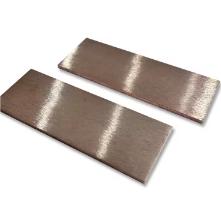
What Makes Hardened Alloy Steel Difficult to Drill
Hardened alloy steel is steel that has been alloyed with elements such as chromium, molybdenum, or nickel and then heat-treated to raise its hardness and strength. That treatment makes the material useful for wear parts, dies, and structural components, and it is also what makes drilling difficult. The hardness that resists abrasion also resists the shearing action of a drill edge, so cutting forces rise and the tool tip heats quickly.
Two mechanisms cause most problems. First, heat: friction at the drill point can soften or blunt an ordinary bit and can alter the hardened surface around the hole. Second, work hardening: some alloys become harder when they are rubbed or deformed without proper cutting, so a drill that spins without biting can make the surface even more resistant. Both effects are managed by using a sharp, hard tool, applying steady feed pressure, and cooling the cut. Recognizing that the difficulty comes from hardness and heat, rather than from the drill being too small, helps in choosing the right method.
Choosing Drill Tooling for Hardened Alloy Steel
Tool selection is the first decision that determines whether the operation is safe and effective. For hardened alloy steel, carbide-tipped or solid carbide drills are generally chosen because carbide retains hardness at the temperatures generated during cutting. Cobalt high-speed steel drills offer more heat resistance than standard high-speed steel and are sometimes used for moderately hard material, but they are not equivalent to carbide for very hard plate.
The drill geometry matters as much as the material. A point angle suited to hard material, a sharp cutting edge, and adequate flute clearance help the bit bite rather than rub. Coated drills can reduce friction and wear, but the coating does not replace the need for a hard substrate. For large-diameter holes in hard plate, an annular cutter removes a ring of material instead of the full core, which reduces cutting force and heat. Whichever tool is chosen, it should be sharp and appropriate to the plate hardness; a dull or mismatched bit is a common cause of overheating and breakage.
Preparing the Plate and Work Area Before Drilling
A hardened alloy steel plate should be positioned so that it cannot move during drilling. Clamping the plate to a stable bench or machine table, or fixing it in a drill press vise, prevents the plate from spinning or shifting when the bit contacts the surface. Hand-held drilling of a loose hard plate is a significant safety risk because the bit can catch and rotate the workpiece.
Mark the hole location clearly and use a center punch to create a small starting dimple. The dimple keeps the drill from wandering on the hard, smooth surface. If the plate has a scale or coating, clean the area around the mark so the drill starts on bare metal. Support the underside of the plate where the drill will exit, since breakout on hard material can produce sharp fragments. Wear personal protective equipment, including eye protection and gloves appropriate to the task, and keep the work area clear of loose material that could be caught by the drill.
Step-by-Step Drilling Procedure for Hardened Alloy Steel Plate
Begin with a pilot hole when the final diameter is large. A smaller pilot drill establishes the location and reduces the load on the final drill, which is helpful on hard plate. Use a drill rated for the material for the pilot as well, and keep the speed low and the feed steady.
Apply cutting fluid or coolant continuously during drilling. Lubrication reduces friction and carries heat away from the cutting edge; on hard alloy steel, letting the drill run dry is a common cause of rapid wear. Advance the drill with consistent pressure, letting the tool cut rather than forcing it. If the drill stops making progress, stop the machine, check the edge, and reassess rather than increasing force. Clear chips periodically, especially in deeper holes, so the flutes do not pack and overheat. When the drill is about to break through, reduce feed pressure to limit breakout and fragment ejection.
After drilling, deburr the hole edges. Hardened steel can leave sharp burrs that are a handling hazard. Inspect the hole and the surrounding surface for cracks, discoloration from excess heat, or other signs that the process affected the plate; if any are present, evaluate the area before the part is used.
Speed, Feed, and Cooling Practices That Reduce Risk
On hardened alloy steel, lower spindle speeds and moderate, consistent feed are generally safer than high speed with light pressure. High speed with insufficient feed causes rubbing, which generates heat and can work-harden the surface. The correct combination depends on the drill diameter, the alloy, and its hardness, so consult the tool manufacturer's recommendations for the specific drill and material rather than applying a single setting to every job.
Cooling deserves separate attention. Flood coolant or a directed stream of cutting fluid keeps the drill edge and the workpiece cooler, which protects both. Interrupted cooling, or applying fluid only after the drill has become hot, can cause thermal shock in some hard materials, so it is better to apply coolant from the start and keep it flowing. The color of the chips and the sound of the cut give useful feedback: excessive heat and a high-pitched squeal usually indicate that speed or feed needs adjustment.
Safety Controls and Common Mistakes to Avoid
The main safety controls are straightforward: secure the workpiece, wear eye protection, keep hands clear of the rotating tool, and manage hot chips and fluid. Hardened steel chips can be sharp and hot, so clear them with a brush or hook rather than by hand. Clean up coolant and fluid spills to prevent slips.
Common mistakes include using a standard high-speed steel bit on hard plate, drilling without clamping, running the drill too fast with too little feed, and continuing to push a dull bit. Each of these increases heat, the chance of breakage, and the risk of injury or damage to the plate. Another frequent error is skipping the pilot hole on larger diameters, which raises the load on the final drill and makes the hole harder to keep on location. If a drill breaks in the hole, stop and remove the fragment carefully rather than continuing to drill around it.
When to Use an Alternative Method
Conventional drilling is not always the best route for hardened alloy steel. If the plate is at the upper end of the hardness range, if the hole is large, or if the available drill cannot cut effectively, alternatives such as annular cutters, abrasive hole saws, or electrical discharge machining may be more appropriate. These methods change how material is removed and can reduce the load on the tool, but each has its own requirements for equipment and operator skill.
Base the decision on the plate's hardness and thickness, the hole size and tolerance needed, and the equipment available. When in doubt, testing on a scrap piece of the same material gives a clearer indication of whether the chosen drill and settings will work before committing the actual part. This is especially relevant for expensive or already-finished components where a failed hole would be costly.
Frequently Asked Questions
Can a regular drill bit go through hardened alloy steel? A standard high-speed steel bit is generally not suited to hardened alloy steel because it loses hardness at the temperatures generated. A carbide or cobalt drill rated for hard material is the more appropriate choice, and very hard plate may require an alternative method.
Do I need coolant when drilling hardened steel? Coolant or cutting fluid is strongly recommended because it reduces friction and removes heat from the cutting edge. Running dry increases wear and the risk of overheating the drill and the plate.
Why does my drill keep wandering on the plate? A hard, smooth surface gives the drill little to grip. A center punch mark, a pilot hole, and a securely clamped plate help keep the drill on location.
What should I do if the drill stops cutting? Stop the machine and check the cutting edge. Forcing a dull or rubbing drill increases heat and the chance of breakage; replacing or resharpening the tool is usually the safer step.
Frequently asked questions
Can a regular drill bit go through hardened alloy steel?
A standard high-speed steel bit is generally not suited to hardened alloy steel because it loses hardness at the temperatures generated during cutting. A carbide or cobalt drill rated for hard material is the more appropriate choice, and very hard plate may require an alternative method such as annular cutting.
Do I need coolant when drilling hardened steel?
Coolant or cutting fluid is strongly recommended because it reduces friction and removes heat from the cutting edge. Running dry increases wear and the risk of overheating the drill and the plate, so fluid should be applied from the start of the cut.
Why does my drill keep wandering on the plate?
A hard, smooth surface gives the drill little to grip. A center punch mark, a pilot hole, and a securely clamped plate help keep the drill on location and reduce the chance of the bit sliding across the surface.
What should I do if the drill stops cutting?
Stop the machine and check the cutting edge. Forcing a dull or rubbing drill increases heat and the chance of breakage; replacing or resharpening the tool is usually the safer step before continuing.
Metal Plates 4u is a large enterprise focusing on the research, development, production and sales of copper products. With multiple production bases and R&D centers, its copper products sell well in domestic and foreign markets and are well received by customers.
Complete variety, excellent quality, innovative research and development. Customized services and professional consultation are available. If you need metal clad products, please feel free to contact us.