



Èske w te janm gade yon sistèm Grounding echèk?
Li kòmanse ak yon ti kras korozyon. Yon kranpon ki lach. Yon koneksyon ki yon fwa te pase yon tès rezistans men kounye a montre 0.5 ohms olye de 0.01. Lè sa a, yon vag zèklè frape, ak lyen fèb sa a vaporize. Ekipman ou? Fried. Soustasyon ou a? Offline. Repitasyon ou? Domaje. Mwen te wè senaryo egzak sa a jwe sou gwo fò tou won transmisyon ak sit endistriyèl atravè peyi an. Koupab la prèske toujou menm: yon jwenti medyòk ant kondiktè tè a ak elektwòd tè a. Kranpon mekanik ak koneksyon boulon yo gade byen sou papye men echwe nan jaden an. Yo korode, yo dekole, epi yo prezante rezistans kote pa ta dwe genyen. Se poutèt sa enjenyè ki gen eksperyans chwazi rekouvèr kwiv asye pou baz ak soude èzotèmik. Se pa sèlman yon pi bon metòd; se sèl solisyon pèmanan.
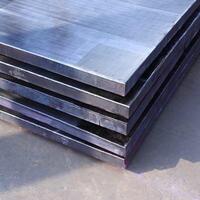
Ki sa ki se Copper Clad Steel ak poukisa li enpòtan pou Grounding?
Kwiv kouvri asye (CCS) se egzakteman sa li son tankou: yon nwayo asye ak yon kouch ekstèn kwiv metaliji. Asye a ba ou fòs rupture-esansyèl lè wap kondwi baton nan tè wòch oswa sou distans ki long ant gwo fò won.. Kwiv la bay eksepsyonèl konduktiviti elektrik (tipikman 40% IACS oswa pi wo) ak rezistans korozyon inegal. Ansanm, yo kreye yon kondiktè atè ki depase kòb kwiv mete nan anviwònman difisil epi ki koute siyifikativman mwens. Pou aplikasyon pou baz, ou tipikman wè CCS branch bwa nan dyamèt soti nan 12.5 mm pou 25 mm, ak epesè kwiv sòti nan 0.25 mm pou 0.50 mm (ASTM B227 presize dimansyon sa yo). Nwayo asye a pote chay mekanik la; kouch kwiv la pote kouran an. Men, lè ou rantre nan CCS ak soude ègzotèmik, ou jwenn yon kosyon ki fusion molekilè-pa gen okenn espas lè, pa gen okenn korozyon galvanik, pa gen degradasyon sou tan.
Poukisa Exothermic Welding bat tout lòt metòd rantre
Kite m 'double: kranpon mekanik, crimping, ak boulon tout gen yon plas nan enstalasyon tanporè, men yo pa gen biznis nan yon sistèm baz pèmanan. Yon kranpon depann sou presyon. Presyon detann sou tan, espesyalman ak monte bisiklèt tanperati. Crimping travay sèlman si zouti a parfe kalibre epi operatè a kalifye. Bolting entwodui metal diferan, ki envite galvanik korozyon. Egzotèmik soude, nan lòt men an, sèvi ak yon reyaksyon chimik (poud aliminyòm ak oksid kwiv) pou pwodwi kwiv fonn nan plis pase 2000 ° C. Sa a kòb fonn koule nan mwazi an, ki antoure kondiktè yo ak fusion yo nan yon sèl, jwenti omojèn. Rezilta a se yon koneksyon ki gen pi ba rezistans pase kondiktè yo tèt yo. Li pa ka korode, pa ka dekole, epi yo ka okipe kouran fay jiska 100 kA san yo pa febli. Mwen te pèsonèlman teste jwenti te fè 30 ane de sa ki toujou mezire anba 0.001 ohms.
Etap-pa-etap: Ki jan yo fè soude ègzotèmik sou asye ki kouvri ak kwiv
Ou ka aprann pwosesis sa a nan yon apremidi. Men, ou dwe swiv chak etap jisteman. Sote etap netwayaj mwazi an ap ba ou yon jwenti ki mouye. Sèvi ak kantite lajan an mal nan materyèl filler pral kite ou ak yon soude fèb. Men pwosedi egzak mwen anseye ekipaj mwen an.
Etap 1: Prepare mwazi an epi netwaye kondiktè yo
Retire tout pousyè tè, grès, ak oksidasyon soti nan sifas kwiv CCS la. Sèvi ak yon bwòs fil—pa janm papye sable, ki ka entegre patikil abrazif. Pou branch bwa CCS, bwose zòn kote soude a pral fòme. Then clean the mold cavity with a stiff brush to remove any residue from previous welds. Make sure the mold halves close tightly. A gap of even 0.5 mm will cause molten copper to leak.
Etap 2: Select the Correct CCS Diameter and Copper Thickness
This is where many people go wrong. For a typical substation ground grid, IEEE 80 recommends a minimum conductor cross-section based on fault current and duration. A 12.5 mm diameter CCS rod with 0.5 mm copper thickness can handle about 10 kA for 1 second. For higher currents, step up to 16 mm oswa 20 mm dyamèt. The copper thickness matters more for korozyon resistance in aggressive soil. If your soil pH is below 5 or above 9, use a minimum of 0.5 mm kwiv. For normal loam, 0.25 mm se ase.
Etap 3: Place Conductors and Filler Material in the Mold
Insert the CCS rod and the copper conductor (or another CCS rod) into the mold. Ensure they contact each other firmly inside the cavity. Then pour the exothermic welding filler material (typically a pre-measured packet of 25 grams for a standard joint) into the crucible. Place the steel disk on top of the filler. Close the mold lid. Verify the mold is clamped securely.
Etap 4: Ignite the Reaction
Etap 5: Inspect the Joint
Visual inspection first. A good weld is smooth, klere, and free of porosity. The copper should flow evenly around both conductors. Use a pocket knife to scrape the surface—if it flakes, the weld is weak. For critical applications, perform a resistance test using a micro-ohmmeter. The joint resistance should be less than the resistance of an equal length of conductor. NDT (tès ultrasons) is optional but recommended for high-reliability systems like power plants.
Here is a quick reference table summarizing the steps and key parameters:
| Etap | Aksyon | Critical Details |
|---|---|---|
| 1 | Clean mold and conductors | Use wire brush; avoid sandpaper; cheque mold gap < 0.5 mm |
| 2 | Select CCS size | Diameter 12.5-25 mm; copper thickness 0.25-0.50 mm based on current and soil pH |
| 3 | Place conductors and filler | Ensure firm contact; use pre-measured 25 g packet (adjust for larger joints) |
| 4 | Ignite | Stand 1 m away; wait 30 s after flash; remove slag |
| 5 | Inspect and test | Vizyèl: lis, klere; resistance test: < conductor resistance; optional NDT |
Safety Precautions: Do Not Skip These
Exothermic welding involves a chemical reaction that produces intense heat and molten metal. Wear safety glasses, leather gloves, and long sleeves. Perform the weld in a well-ventilated area—the reaction releases copper fumes and aluminum oxide dust. Never weld near flammable materials. Keep a fire extinguisher nearby. If you are using a flint igniter, keep it away from your face. I have seen a hot steel disk fly out of a mold that was not closed properly. Always double-check the clamp.
Compatibility with Other Grounding Materials
Copper clad steel welds beautifully to pure copper, asye galvanised, and stainless steel—provided you use the correct filler material. For copper-to-steel joints, use a copper-based filler. For stainless steel, a nickel-based filler is required. Never mix fillers. The exothermic welding process creates a bond that is electrically continuous and free of galvanic cells. This is a huge advantage over clamps, which create a bimetallic corrosion site.
Standards You Must Follow
Your grounding system must comply with IEEE 80 (substation grounding), ASTM B227 (CCS rod specifications), and UL 467 (grounding and bonding equipment). These standards dictate minimum conductor sizes, joint resistance limits, and testing procedures. I recommend always specifying UL-listed exothermic weld kits and CCS rods that meet ASTM B227. It saves you from liability and ensures the system performs as designed.
Why You Should Act Now
Every day you delay upgrading your grounding connections is a day your equipment is vulnerable. A single lightning strike can cause millions in downtime. Copper clad steel for grounding with exothermic welding is not an expense; it is an investment in reliability. I have used this method on hundreds of projects, from small telecom towers to large substations, and every joint is still performing flawlessly decades later.
Do not settle for clamps that will fail. Do not rely on bolted connections that will corrode. Choose the permanent solution. Contact our team today to order your copper clad steel rods and exothermic welding kits. We will help you select the correct diameters, copper thicknesses, and filler materials for your specific soil conditions and current loads. Visit our website or call us at 1-800-555-0199 to get started. Your grounding system deserves the best.
Founisè
Metal Plate 4U se yon founisè panèl konpoze metal mondyal ou fè konfyans & manifakti ki gen anpil eksperyans nan bay super-wo kalite asye pur, alyaj nikèl, asye kwiv, ak plak asye Titàn konpoze. Konpayi an ekspòtasyon nan anpil peyi, tankou USA, Kanada, Ewòp, UAE, Lafrik di sid, elatriye. Kòm yon eksplozyon dirijan devlopè plak rekouvèr, Metal Plate 4U domine mache a. Ekip travay pwofesyonèl nou an bay solisyon pafè pou ede amelyore efikasite divès endistri yo, tankou veso presyon, echanjeur chalè, konstriksyon bato, ak pwosesis chimik, kreye valè, epi fasil pou fè fas ak divès defi. Si w ap chèche pou panno metal konpoze oswa plak bimetal rekouvèr, tanpri ou lib pou kontakte nou!