



Njẹ O Ti Wo Ikuna Eto Ilẹ-ilẹ kan?
O bẹrẹ pẹlu ipata kekere kan. A loose dimole. Asopọ ti o kọja idanwo resistance ni ẹẹkan ṣugbọn ni bayi fihan 0.5 ohms dipo 0.01. Lẹ́yìn náà, iná mànàmáná kan kọlu, ati awọn ti o lagbara ọna asopọ vaporizes. Ohun elo rẹ? Sisun. Ibusọ rẹ? Aisinipo. Okiki rẹ? Ti bajẹ. Mo ti rii oju iṣẹlẹ gangan yii ṣe ere lori awọn ile-iṣọ gbigbe ati awọn aaye ile-iṣẹ kọja orilẹ-ede naa. Awọn ẹlẹṣẹ jẹ fere nigbagbogbo kanna: isẹpo substandard laarin adaorin ilẹ ati elekiturodu ilẹ. Awọn dimole ẹrọ ati awọn asopọ ti o dakẹ dara dara lori iwe ṣugbọn kuna ni aaye. Wọn baje, wọn tú, ati pe wọn ṣafihan resistance nibiti ko yẹ ki o jẹ. Ti o ni idi ti awọn onimọ-ẹrọ ti o ni iriri yan aṣọ idẹ irin fun grounding pẹlu exothermic alurinmorin. O ti wa ni ko o kan kan ti o dara ọna; o jẹ nikan ni ojutu yẹ.
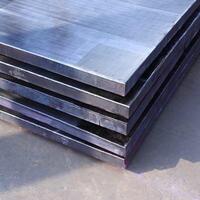
Kini Irin Ti Ola Ejò ati Kini idi ti O Ṣe pataki fun Ilẹ-ilẹ?
Aṣọ bàbà irin (CCS) jẹ gangan ohun ti o ba ndun bi: irin mojuto pẹlu kan metallurgically iwe adehun Ejò lode Layer. Irin naa fun ọ ni agbara fifẹ-pataki nigbati o ba n wa awọn ọpá sinu ile apata tabi ti o ni ijinna pipẹ laarin awọn ile-iṣọ. Ejò pese exceptional itanna elekitiriki (ojo melo 40% IACS tabi ga julọ) ati ki o ko baramu ipata resistance. Papo, nwọn ṣẹda a grounding adaorin ti o outlass funfun Ejò ni simi agbegbe ati owo significantly kere. Fun grounding ohun elo, o maa n ri awọn ọpa CCS ni awọn iwọn ila opin lati 12.5 mm si 25 mm, pẹlu Ejò sisanra orisirisi lati 0.25 mm si 0.50 mm (ASTM B227 pato awọn iwọn wọnyi). Awọn irin mojuto gbejade darí fifuye; Ejò Layer gbejade lọwọlọwọ. Ati nigbati o ba darapọ mọ CCS pẹlu alurinmorin exothermic, ti o gba a mnu ti o ti wa ni molikula dapọ-ko si air ela, ko si galvanic ipata, ko si ibaje lori akoko.
Kini idi ti alurinmorin Exothermic lu Gbogbo Ọna Isopọpọ miiran
Jẹ ki n sọ ṣoki: darí clamps, crimping, ati bolting gbogbo ni ibi kan ni ibùgbé awọn fifi sori ẹrọ, sugbon ti won ko ni owo ni kan yẹ grounding eto. A dimole gbekele lori titẹ. Titẹ simi lori akoko, paapa pẹlu iwọn otutu gigun kẹkẹ. Crimping ṣiṣẹ nikan ti ọpa ba jẹ iwọn pipe ati pe oniṣẹ jẹ oye. Bolting ṣafihan awọn irin ti o yatọ, eyi ti o nkepe galvanic ipata. Exothermic alurinmorin, ti a ba tun wo lo, nlo a kemikali lenu (aluminiomu lulú ati Ejò ohun elo afẹfẹ) lati gbe bàbà didà ni ju 2000 ° C. Bàbà dídà yẹn ń ṣàn wọ inú mànàmáná, agbegbe awọn oludari ati fifẹ wọn sinu ẹyọkan, isokan isẹpo. Abajade jẹ asopọ pẹlu kekere resistance ju awọn oludari ara wọn. Ko le baje, ko le tú, ati ki o le mu awọn ašiše ṣiṣan soke si 100 kA lai kuna. Mo ti ni idanwo tikalararẹ awọn isẹpo ti a ṣe 30 odun seyin ti o si tun iwọn labẹ 0.001 ohms.
Igbesẹ-nipasẹ-Igbese: Bii o ṣe le Ṣe Alurinmorin Exothermic lori Irin Ti Ola Ejò
O le kọ ẹkọ ilana yii ni ọsan kan. Ṣugbọn o gbọdọ tẹle igbesẹ kọọkan ni pipe. Sisẹ igbesẹ mimu mimu yoo fun ọ ni isẹpo la kọja. Lilo iye ti ko tọ ti ohun elo kikun yoo fi ọ silẹ pẹlu weld ti ko lagbara. Eyi ni ilana gangan ti Mo kọ si awọn atukọ mi.
Igbesẹ 1: Mura awọn Mold ati Nu awọn oludari
Yọ gbogbo idoti kuro, girisi, ati ifoyina lati dada Ejò ti CCS. Lo fẹlẹ waya kan-ma ṣe iyanrin rara, eyi ti o le fi sabe abrasive patikulu. Fun awọn ọpa CCS, fẹlẹ agbegbe ibi ti weld yoo dagba. Then clean the mold cavity with a stiff brush to remove any residue from previous welds. Make sure the mold halves close tightly. A gap of even 0.5 mm will cause molten copper to leak.
Igbesẹ 2: Select the Correct CCS Diameter and Copper Thickness
This is where many people go wrong. For a typical substation ground grid, IEEE 80 recommends a minimum conductor cross-section based on fault current and duration. A 12.5 mm diameter CCS rod with 0.5 mm copper thickness can handle about 10 kA for 1 second. For higher currents, step up to 16 mm tabi 20 mm opin. The copper thickness matters more for ipata resistance in aggressive soil. If your soil pH is below 5 or above 9, use a minimum of 0.5 mm Ejò. For normal loam, 0.25 mm ti to.
Igbesẹ 3: Place Conductors and Filler Material in the Mold
Insert the CCS rod and the copper conductor (or another CCS rod) into the mold. Ensure they contact each other firmly inside the cavity. Then pour the exothermic welding filler material (typically a pre-measured packet of 25 grams for a standard joint) into the crucible. Place the steel disk on top of the filler. Close the mold lid. Verify the mold is clamped securely.
Igbesẹ 4: Ignite the Reaction
Igbesẹ 5: Inspect the Joint
Visual inspection first. A good weld is smooth, didan, and free of porosity. The copper should flow evenly around both conductors. Use a pocket knife to scrape the surface—if it flakes, the weld is weak. For critical applications, perform a resistance test using a micro-ohmmeter. The joint resistance should be less than the resistance of an equal length of conductor. NDT (idanwo ultrasonic) is optional but recommended for high-reliability systems like power plants.
Here is a quick reference table summarizing the steps and key parameters:
| Igbesẹ | Iṣe | Critical Details |
|---|---|---|
| 1 | Clean mold and conductors | Use wire brush; avoid sandpaper; cheque mold gap < 0.5 mm |
| 2 | Select CCS size | Diameter 12.5-25 mm; copper thickness 0.25-0.50 mm based on current and soil pH |
| 3 | Place conductors and filler | Ensure firm contact; use pre-measured 25 g packet (adjust for larger joints) |
| 4 | Ignite | Stand 1 m away; wait 30 s after flash; remove slag |
| 5 | Inspect and test | Visual: dan, didan; resistance test: < conductor resistance; optional NDT |
Safety Precautions: Do Not Skip These
Exothermic welding involves a chemical reaction that produces intense heat and molten metal. Wear safety glasses, leather gloves, and long sleeves. Perform the weld in a well-ventilated area—the reaction releases copper fumes and aluminum oxide dust. Never weld near flammable materials. Keep a fire extinguisher nearby. If you are using a flint igniter, keep it away from your face. I have seen a hot steel disk fly out of a mold that was not closed properly. Always double-check the clamp.
Compatibility with Other Grounding Materials
Copper clad steel welds beautifully to pure copper, galvanized, irin, and stainless steel—provided you use the correct filler material. For copper-to-steel joints, use a copper-based filler. Fun irin alagbara, irin, a nickel-based filler is required. Never mix fillers. The exothermic welding process creates a bond that is electrically continuous and free of galvanic cells. This is a huge advantage over clamps, which create a bimetallic corrosion site.
Standards You Must Follow
Your grounding system must comply with IEEE 80 (substation grounding), ASTM B227 (CCS rod specifications), and UL 467 (grounding and bonding equipment). These standards dictate minimum conductor sizes, joint resistance limits, and testing procedures. I recommend always specifying UL-listed exothermic weld kits and CCS rods that meet ASTM B227. It saves you from liability and ensures the system performs as designed.
Why You Should Act Now
Every day you delay upgrading your grounding connections is a day your equipment is vulnerable. A single lightning strike can cause millions in downtime. Copper clad steel for grounding with exothermic welding is not an expense; it is an investment in reliability. I have used this method on hundreds of projects, from small telecom towers to large substations, and every joint is still performing flawlessly decades later.
Do not settle for clamps that will fail. Do not rely on bolted connections that will corrode. Choose the permanent solution. Contact our team today to order your copper clad steel rods and exothermic welding kits. We will help you select the correct diameters, copper thicknesses, and filler materials for your specific soil conditions and current loads. Visit our website or call us at 1-800-555-0199 to get started. Your grounding system deserves the best.
Olupese
Metal Plate 4U jẹ olutaja nronu apapo irin agbaye ti o ni igbẹkẹle & olupese pẹlu iriri nla ni ipese irin alagbara, irin alagbara to gaju, nickel alloy, Ejò irin, ati titanium irin apapo farahan. Ile-iṣẹ okeere si ọpọlọpọ awọn orilẹ-ede, bii USA, Canada, Yuroopu, UAE, gusu Afrika, ati be be lo. Bi awọn kan asiwaju bugbamu iwe adehun agbada awo Olùgbéejáde, Irin Awo 4U jẹ gaba lori ọja naa. Ẹgbẹ iṣẹ alamọdaju wa n pese awọn solusan pipe lati ṣe iranlọwọ mu ilọsiwaju ti awọn ile-iṣẹ lọpọlọpọ, gẹgẹbi awọn ohun elo titẹ, ooru exchangers, oko oju omi, ati kemikali processing, ṣẹda iye, ati irọrun koju pẹlu ọpọlọpọ awọn italaya. Ti o ba n wa awọn panẹli akojọpọ irin tabi awọn awo bimetal agbada, jọwọ lero free lati kan si wa!