



Overview of Nickel-based Alloy Composite Plate
Nickel-based alloy composite plates are advanced materials designed for applications requiring exceptional corrosion resistance, high-temperature stability, and superior mechanical properties. These plates consist of a nickel-based alloy bonded to a substrate material, typically for enhanced performance in harsh environments.
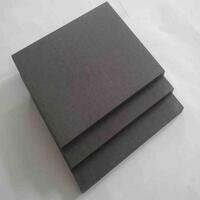
Features of Nickel-based Alloy Composite Plate
- Nickel Alloy Type: Nickel-based alloys can vary, with common types including Inconel, Monel, Hastelloy, and Incoloy, each tailored for specific properties such as high-temperature resistance, corrosion kuj, or strength.
- Substrate Material: The substrate provides the bulk of the composite’s structure, often aluminum, hlau, or composite materials like fiber-reinforced plastics, chosen for its mechanical properties or cost-effectiveness.
- Bonding Process: The method used to adhere the nickel alloy layer to the substrate can be explosion bonding, hot rolling, los yog cladding, affecting the bond strength and uniformity.
- v: The thickness of both the nickel alloy layer and the substrate are specified, with the alloy layer typically thinner to maximize cost-effectiveness while maintaining surface protection.
- v: Available in standard or custom sizes, dimensions refer to the plate’s length, dav, and overall thickness, tailored to application requirements.
- Surface Finish: The surface of the nickel alloy layer can be polished, txhuam, or left as-milled, depending on the need for aesthetics or specific functional requirements.
- Corrosion Resist: A critical parameter, often quantified by testing methods like salt spray tests, indicating the alloy’s ability to resist corrosion in various environments, suav nrog acidic, alkaline, los yog high-salinity tej yam kev mob.
- Kev Ua Tau Zoo Siab: Nickel-based alloys yog paub txog lawv lub peev xwm los tuav lub zog thiab tiv taus oxidation ntawm qhov kub siab, nrog rau kev ua tau zoo nrog rau creep tsis kam thiab thermal expansion coefficients.
- Mechanical Properties: Tensile zog, yield zog, elongation, thiab hardness yog cov cim tseem ceeb ntawm lub phaj composite lub peev xwm los tiv taus cov neeg kho tshuab kev ntxhov siab.
- Weldability thiab Formability: Qhov yooj yim uas cov phaj sib xyaw ua ke tuaj yeem welded lossis tsim rau hauv cov duab nyuaj yog qhov tseem ceeb rau fabrication thiab kev teeb tsa, cuam tshuam los ntawm kev xaiv ntawm substrate thiab cov txheej txheem sib txuas.
- Kev Kho Cua Sov: In some cases, heat treatment after bonding may be required to optimize the properties of the nickel alloy layer or improve the bond interface.

Parameters and specifications of nickel-based alloy composite plates
- v: The overall thickness is generally between 5mm and 100mm, depending on the needs of the application scenario.
- Width and length: It can be customized according to customer requirements. The common width range is 1000mm to 3000mm, and the length is more flexible.
- Alloy composition: The nickel-based alloy part mainly contains elements such as nickel (Ni), chromium (Cr), and molybdenum (Mo). The proportion of these elements will affect the corrosion resistance, strength and other properties of the plate.
- Bond strength: Lub zog sib txuas ntawm cov npib tsib xee raws li alloy thiab substrate yog qhov qhia tseem ceeb. Zoo npib tsib xee raws li alloy composite phaj tuaj yeem muab lub zog sib txuas ntawm ntau dua 200MPa.
Daim ntawv thov ntawm nickel-based alloy composite phaj
- Kev lag luam tshuaj lom neeg: siv los tsim cov khoom siv xws li reactors thiab cia tank, tshwj xeeb tshaj yog thaum cuam tshuam nrog kev sib raug zoo heev corrosive media.
- Roj thiab roj kev lag luam: Haum rau cov khoom tseem ceeb uas cuam tshuam nrog kev kub xeb ib puag ncig hauv offshore platforms thiab refineries.
- Fais fab kev lag luam: siv rau boiler kav dej, Tshav kub exchangers, etc. txhawm rau txhim kho corrosion tsis kam ntawm cov khoom siv.
- Desalination thiab marine engineering: Vim nws zoo heev seawater corrosion kuj, Nws haum rau cov khoom siv desalination thiab marine engineering qauv.
 Lub Tuam Txhab Profile
Hlau phaj 4u yog ib tug ntseeg thoob ntiaj teb no cov khoom siv hlau & chaw tsim tshuaj paus nrog ntau tshaj 12 xyoo ntawm kev nyob rau hauv muab super zoo hlau clad thiab lwm yam khoom.
Lub tuam txhab muaj ib tug kws technical department thiab zoo saib xyuas department, ib tug zoo nruab rau lub laboratory, thiab yog nruab nrog advanced kuaj cov khoom thiab ib tug tom qab muag cov neeg siv khoom pab center.
Yog hais tias koj tab tom nrhiav rau zoo zoo hlau alloy clad thiab muaj feem xyuam cov khoom lag luam, Thov koj xav tiv tauj peb lossis nyem rau ntawm cov khoom xav tau kom xa ib qho kev nug.
Txoj Kev Them Nyiaj
L / C, T / T, Western Union, PayPal, Credit Card, thiab lwm yam.
Kev xa khoom
Nws tuaj yeem xa los ntawm hiav txwv, los ntawm huab cua, lossis los ntawm kev xa ASAP sai li sai tau thaum daim ntawv txais nyiaj them poob haujlwm tau lees paub.

5 FAQs ntawm nickel-based alloy clad phaj
Q1: Dab tsi yog qhov zoo tseem ceeb ntawm nickel-based alloy clad phaj?
A: Lub ntsiab kom zoo dua yog tias nws sib xyaw ua ke zoo heev corrosion tsis kam ntawm nickel-based alloys nrog tus nqi-ua tau zoo ntawm cov ntaub ntawv hauv paus, ua tiav qhov zoo tshaj plaws sib npaug ntawm kev ua tau zoo thiab tus nqi.
Q2: Yuav ua li cas xaiv ib qho tsim nyog nickel-based alloy clad phaj?
A: Qhov yuav tsum tau ua alloy muaj pes tsawg leeg thiab phaj specifications yog txiav txim siab raws li qhov kev siv tshwj xeeb ib puag ncig, xws li kub, siab, Corrosive Media thiab lwm yam.
Q3: Yuav npib tsib xee-raws li alloy clad phaj yuav welded?
A: Yes, tab sis tshwj xeeb vuam txheej txheem specifications yuav tsum tau ua raws li kom paub tseeb tias lawv corrosion tsis kam thiab bonding zog yog tsis cuam tshuam.
Q4: Yog nws pheej yig dua los siv nickel-based alloy clad phaj dua li ntshiab nickel-based alloys?
A: Nyob rau hauv feem ntau, cov lus teb yog yog, because the amount of expensive nickel-based alloys is reduced while maintaining the necessary performance.
Q5: What is the service life of nickel-based alloy clad plates?
A: This depends on the specific conditions of use, but with proper maintenance, its service life can be very long, especially in corrosive environments.
-
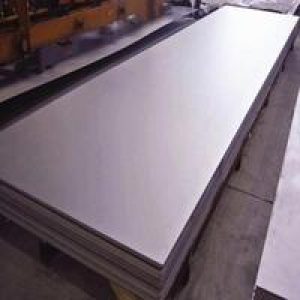 Nickel-based Alloy Composite Plate
Custom connector Copper Nickel Sheet Lithium Battery Busbar Copper For 21700 18650 Battery nickel sheet
-
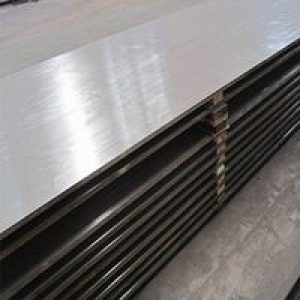 Nickel-based Alloy Composite Plate
OEM custom Power Battery Pack Busbar Copper 2*3p Busbar Copper 18650 Battery Connector Copper Nickel Sheet
-
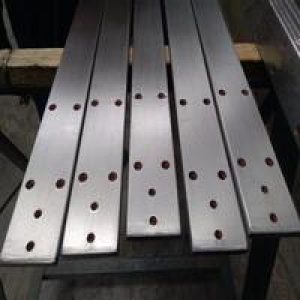 Nickel-based Alloy Composite Plate
Custom 21700 Made Copper-nickel Composition Sheet Battery Connector Copper Nickel Busbar OEM
-
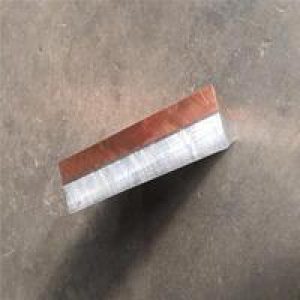 Nickel-based Alloy Composite Plate
Custom Copper Nickel Sheet Busbar Copper Flat Bar 32650 Thickness 1mm Nickel Plated Copper 34.5mm Battery Busbar
-
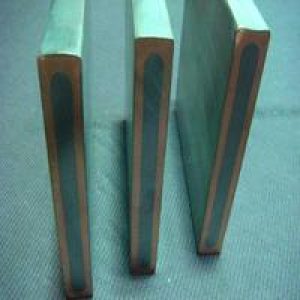 Nickel-based Alloy Composite Plate
32650 battery stampable composite Copper nickel sheet for battery electrical Solid busbar connectors copper nickel busbar
-
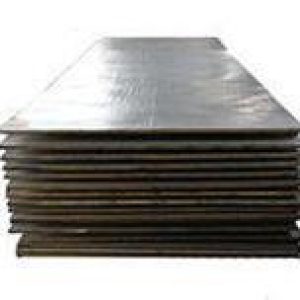 Nickel-based Alloy Composite Plate
Customized 18650 Roj teeb pob connectors Ntshiab npib tsib xee ntawv Fais Fab Npog 18650 Tooj liab nickel Busbar Sheet
-
-
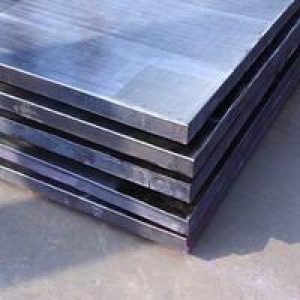
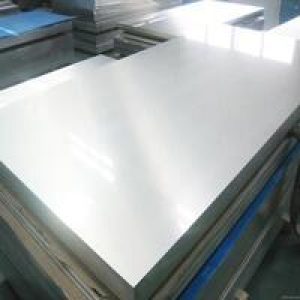 Nickel-based Alloy Composite Plate
Kev cai Lithium Roj teeb Pob Vuam Tooj liab Busbar Roj teeb Tsis Zoo Txuas Tooj Liab Nickel Busbar Sheet
-
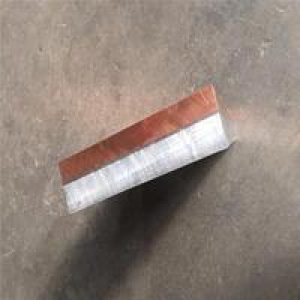 Nickel-based Alloy Composite Plate
Custom 18650 21700 26650 32650 Lithium Battery Pack Battery Connector Copper Nickel Busbar sheet OEM
-
 Nickel-based Alloy Composite Plate
Oem Kev Cai 18650 Nickel Copper Busbar Copper Busbar 18650 21700 Battery Connector Copper Nickel Busbar nickel sheet
-
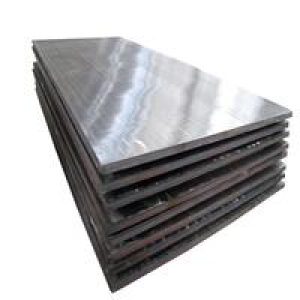 Nickel-based Alloy Composite Plate
Custom 18650 21700 32650 Power Lithium Battery Connector Busbar Copper Nickel Copper Nickel Sheet Busbar OEM
-
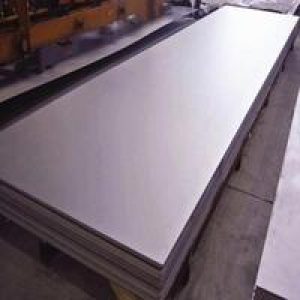 Nickel-based Alloy Composite Plate
Custom 18650/21700/26650/32650 roj teeb nickel ntawv yeem loj tam sim no tooj liab nickel ntawv Busbar rau roj teeb pob