



Overview of Composite Panel Processing
Composite panel processing encompasses a series of manufacturing steps to create high-performance, layered materials combining different substrates for enhanced properties. These panels are widely used in construction, tsheb thauj mus los, and industrial applications.
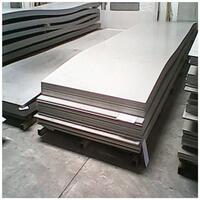
Processing parameters of Composite Panel
- a: Choice of facing materials (xws li txhuas, Stainless hlau, tooj liab, or fiberglass) and core materials (a, polyethylene, honeycomb, or foam) based on the required properties (a, strength, hnyav, corrosion kuj, thermal conductivity).
- Npaj: Surface cleaning and priming of the facing materials to ensure proper bonding. This may involve degreasing, abrasive blasting, or chemical treatments.
- Adhesive Application: Selection and application of the appropriate adhesive or bonding agent, considering factors like curing time, kub, and viscosity. The adhesive layer thickness is also controlled for consistent bond strength.
- Lamination: The process of bonding the facing materials to the core material. This can be done through various methods, such as:
- Continuous Lamination: Suitable for large-scale production, involves continuous feeding of materials through rollers and adhesive application.
- Vacuum Bagging: Used for more intricate panels, where a vacuum is applied to remove air and ensure intimate contact between layers during curing.
- Autoclave Processing: For high-performance composites, uses high pressure and temperature to ensure optimal bonding and material consolidation.
- Pressing: Applying pressure during lamination to ensure good adhesion and eliminate any air pockets. Pressure levels and duration are critical to achieving uniform density and avoiding deformation.
- Curing: Allowing the adhesive to set and reach its final properties. This can be done at room temperature or accelerated with heat, depending on the adhesive used.
- Trimming and Cutting: After curing, panels are trimmed to their final dimensions using saws, routers, or CNC machines. Precision cutting is crucial for fitting and assembly.
- Surface Finishing: Depending on the application, panels may undergo processes like polishing, painting, hmoov txheej, or anodizing to enhance aesthetics or protect the surface.
- Kev Tswj Zoo: Throughout the process, inspections are conducted to check for defects like bubbles, delamination, or inconsistencies in thickness. Non-destructive testing methods like ultrasonic inspection or X-ray imaging may be used.
- Handling and Packaging: Careful handling is necessary to avoid damaging the panels during transportation. Panels are typically packaged to protect against scratches, l, and physical impact.
Composite plate processing
- Raw material preparation: Select suitable substrate and cladding materials, such as stainless steel, txhuas, copper and other metal or non-metal materials, and ensure that their dimensions meet the requirements.
- Kev kho saum npoo: Perform necessary surface treatment on the substrate and cladding materials, including cleaning, sib tsoo, phosphating, Etc., to improve the bonding strength.
- Composite process:
- Hot rolling composite: Two or more materials are tightly bonded by high temperature and high pressure. This method is suitable for the production of large-area plates.
- Explosive welding: Use the energy generated by the explosion of explosives to quickly press different materials together, which is particularly suitable for the composite of dissimilar metals.
- Cold rolling composite: Cov khoom sib xyaw ua ke yog ua tiav los ntawm cov txheej txheem dov ntawm chav tsev kub, thiab feem ntau siv los tsim cov phaj nyias.
- Ua tiav kev ua tiav: Hlais, ncaj, trim thiab lwm yam kev ua haujlwm tau ua rau ntawm lub phaj sib xyaw ua ke raws li qhov xav tau kom ua tiav qhov kawg loj thiab cov duab xav tau.
- Kev soj ntsuam zoo: Xyuas cov cim qhia txog kev ua haujlwm ntawm lub phaj sib xyaw xws li qhov tseeb ntawm qhov ntev, saum npoo zoo thiab kev sib txuas lub zog kom ntseeg tau tias cov khoom lag luam ua tau raws li cov qauv.

Lub Tuam Txhab Profile
Hlau phaj 4u yog ib tug ntseeg thoob ntiaj teb no cov khoom siv hlau & chaw tsim tshuaj paus nrog ntau tshaj 12 xyoo ntawm kev nyob rau hauv muab super zoo hlau clad thiab lwm yam khoom.
Lub tuam txhab muaj ib tug kws technical department thiab zoo saib xyuas department, ib tug zoo nruab rau lub laboratory, thiab yog nruab nrog advanced kuaj cov khoom thiab ib tug tom qab muag cov neeg siv khoom pab center.
Yog hais tias koj tab tom nrhiav rau zoo zoo hlau alloy clad thiab muaj feem xyuam cov khoom lag luam, Thov koj xav tiv tauj peb lossis nyem rau ntawm cov khoom xav tau kom xa ib qho kev nug.
Txoj Kev Them Nyiaj
L / C, T / T, Western Union, PayPal, Credit Card, thiab lwm yam.
Kev xa khoom
Nws tuaj yeem xa los ntawm hiav txwv, los ntawm huab cua, lossis los ntawm kev xa ASAP sai li sai tau thaum daim ntawv txais nyiaj them poob haujlwm tau lees paub.

5 FAQs rau kev ua phaj sib xyaw
Q1: Dab tsi yog hom tseem ceeb ntawm cov phaj sib xyaw?
A: Muaj feem ntau yog cov hlau-hlau sib xyaw vaj huam sib luag (xws li hlau-aluminium composite panels), hlau-tsis yog hlau composite panels (xws li txhuas-yas vaj huam sib luag), etc. Txhua hom muaj nws daim ntawv thov tshwj xeeb.
Q2: Yuav ua li cas xaiv cov txheej txheem sib xyaw tsim nyog?
A: When choosing a composite process, factors such as material type, thickness, production cost, and expected product performance need to be considered. Piv txwv li, for the composite of dissimilar metals, explosive welding may be a better choice.
Q3: What are the advantages of composite panels?
A: Composite panels can combine the advantages of different materials, such as good corrosion resistance of one material and high strength of another material, while reducing costs.
Q4: What issues should be paid attention to during the processing of composite panels?
A: Attention should be paid to material matching, interface quality control, selection of processing parameters, and prevention of deformation during processing.
Q5: What are the application ranges of composite panels?
A: Composite panels are widely used in architectural decoration, tsheb thauj mus los, chemical equipment, electronic products and other fields, because their unique performance combination can meet various special needs.
-
 Composite Panel Processing
Composite Panel Rolling Processing
-
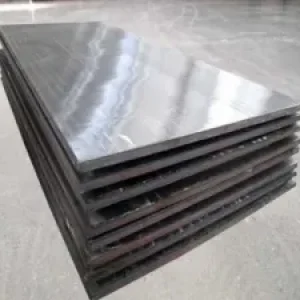 Composite Panel Processing
Composite Panel Milling and Edge Processing
-
Composite Panel Processing
Titanium Steel Composite Plate Channel Steel
-
Composite Panel Processing
Titanium Steel Composite Plate Bevel Processing
-
Composite Panel Processing
Composite Panel Clad Plate Head Processing