



Overview of Titanium steel composite plates
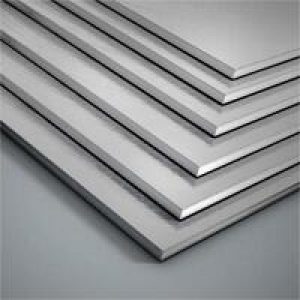
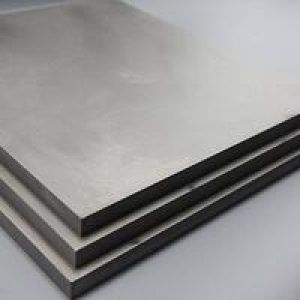
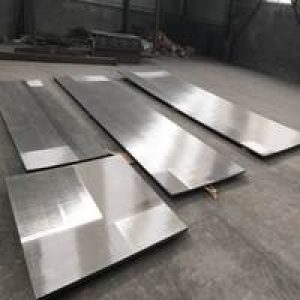
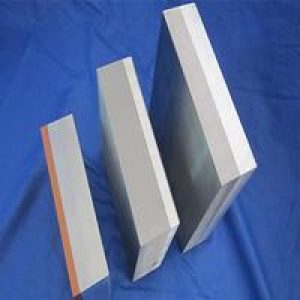
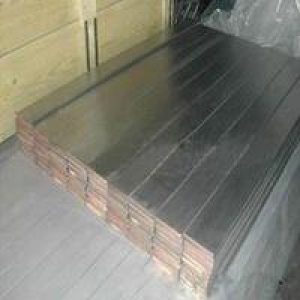
Titanium steel composite plates represent a high-performance material combination, leveraging titanium’s exceptional corrosion resistance and steel’s strength and cost-effectiveness. These plates are engineered for demanding applications in industries like aerospace, marine, kev ua tshuaj lom neeg, and biomedical.
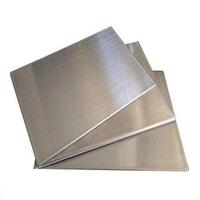
Feature of Titanium steel composite plates
Titanium Layer Thickness: The thickness of the titanium layer, typically ranging from 0.1mm to a few millimeters, is selected based on the required corrosion protection and surface properties.
Steel Substrate: The steel substrate can be mild steel, Stainless hlau, or high-strength steel, chosen for its mechanical strength, nqi, or specific application requirements. The thickness of the steel layer is determined by structural needs.
Bonding Technology: The bonding method between titanium and steel layers is crucial, often involving explosive bonding, yob daim ntawv khi, or diffusion bonding, each offering distinct advantages in terms of bond strength, uniformity, and process efficiency.
Surface Finish: The titanium surface can be finished in various ways, including polished, blasted, or coated, to enhance aesthetics or specific functional properties such as reducing friction or increasing biocompatibility.
Dimensional Stability: Composite plates must exhibit minimal distortion during processing and in service, which is influenced by material selection, bonding method, and thermal treatments.
Corrosion Resist: The titanium layer provides exceptional resistance to corrosion, protecting the underlying steel in harsh environments. Specific testing (a, salt spray test) is often conducted to quantify this property.
Mechanical Properties: The composite’s tensile strength, yield zog, thiab toughness yog txiav txim siab los ntawm cov khoom ntawm ob qho tib si titanium thiab steel txheej thiab lawv cov kev sib cuam tshuam. Cov no yog qhov tseem ceeb rau kev siv load-bearing daim ntawv thov.
Formability thiab Machinability: Lub composite lub peev xwm los ua los yog machined rau hauv cov duab nyuaj yog cuam tshuam los ntawm cov composite lub thickness, txheej qauv, thiab kev xaiv ntawm steel substrate.
Kev Kho Cua Sov: Post-bond tshav kub kho tej zaum yuav tsim nyog los daws cov kev ntxhov siab seem, txhim kho daim ntawv cog lus lub zog, lossis kho lub microstructure rau kev ua tau zoo tshaj plaws.
Qhov hnyav-rau-lub zog sib piv: Kev sib xyaw ua ke ntawm titanium thiab hlau lub hom phiaj kom ua tiav qhov sib npaug zoo ntawm qhov hnyav thiab lub zog, ua rau cov phaj no haum rau cov ntawv thov uas qhov hnyav txo yog qhov tseem ceeb.
Kev Ntsuam Xyuas Tsis Puas Tsuaj (NDT): Cov tswv yim zoo li kev kuaj ultrasonic, hluav taws xob, or eddy current testing are employed to inspect the bond quality and detect any defects without damaging the composite.
Specifications Table of Titanium Steel Composite Plate
- Material Composition Titanium Grade 1/2, Q235/Q345 Steel
- Thickness Range Titanium Layer: 0.5hli – 3hli, Steel Layer: 5hli – 100hli
- Dav Up to 3000mm
- Ntev Up to 12000mm
- Bonding Strength ≥200 MPa (Roll Bonding Method)
- Surface Treatment Pickled, Polished, or as Required

Applications of Titanium Steel Composite Plate
Titanium steel composite plates find extensive use across multiple industries:
- Tshuaj ua hauj lwm: For equipment exposed to aggressive chemicals.
- Oil & Gas: In offshore platforms and pipelines where corrosion resistance is critical.
- Marine Engineering: Shipbuilding and structures subjected to saltwater environments.
- Fais fab Tsim: In heat exchangers and condensers at power plants.
- Environmental Protection: Wastewater treatment facilities require materials resistant to corrosive elements.

Lub Tuam Txhab Profile
Hlau phaj 4u yog ib tug ntseeg thoob ntiaj teb no cov khoom siv hlau & chaw tsim tshuaj paus nrog ntau tshaj 12 xyoo ntawm kev nyob rau hauv muab super zoo hlau clad thiab lwm yam khoom.
Lub tuam txhab muaj ib tug kws technical department thiab zoo saib xyuas department, ib tug zoo nruab rau lub laboratory, thiab yog nruab nrog advanced kuaj cov khoom thiab ib tug tom qab muag cov neeg siv khoom pab center.
Yog hais tias koj tab tom nrhiav rau zoo zoo hlau alloy clad thiab muaj feem xyuam cov khoom lag luam, Thov koj xav tiv tauj peb lossis nyem rau ntawm cov khoom xav tau kom xa ib qho kev nug.
Txoj Kev Them Nyiaj
L / C, T / T, Western Union, PayPal, Credit Card, thiab lwm yam.
Kev xa khoom
Nws tuaj yeem xa los ntawm hiav txwv, los ntawm huab cua, lossis los ntawm kev xa ASAP sai li sai tau thaum daim ntawv txais nyiaj them poob haujlwm tau lees paub.

5 FAQs of Titanium Steel Composite Plate
Q1: What are the primary benefits of using titanium steel composite plates?
A: They offer an optimal blend of titanium’s corrosion resistance and steel’s strength at a lower cost compared to solid titanium plates.
Q2: Can titanium steel composite plates be used in high-temperature environments?
A: Yes, depending on the steel grade used, they can withstand high temperatures, although specific limits depend on the application.
Q3: How does the roll bonding process affect the quality of titanium steel composite plates?
A: Roll bonding creates a metallurgical bond between layers, ensuring high bonding strength and uniformity across the plate.
Q4: Are there any limitations to the size of titanium steel composite plates available?
A: While large sizes are possible, the maximum dimensions depend on manufacturing capabilities and specific requirements.
Q5: What maintenance do titanium steel composite plates require?
A: Due to their corrosion-resistant nature, they require minimal maintenance; regular inspections for damage and cleaning as necessary are recommended.
-
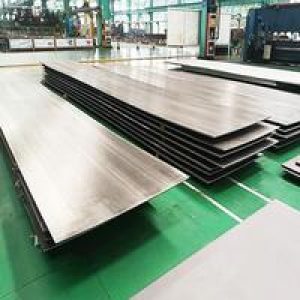 Titanium Steel Composite Plate
Electroplated Diamond Needle File/titanium-plated Grinding File/diamond Saw
-
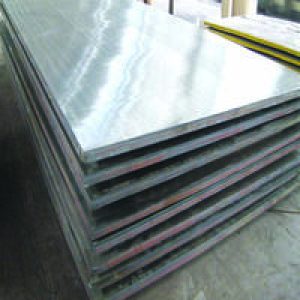 Titanium Steel Composite Plate
Outdoor custom logo Titanium steel plate 550 paracord survival bracelet for men ID bracelet with blank buckle
-
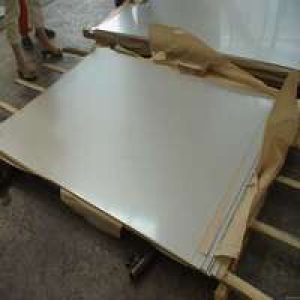 Titanium Steel Composite Plate
high quality titanium sheet customized titanium plate for titanium plates
-
 Titanium Steel Composite Plate
custom stamping service parts brass titanium aluminum blank wall switches stainless steel cover plate SS wall plate
-
 Titanium Steel Composite Plate
18K Kub Plated Catholic 316L Stainless Hlau Hlau Hlua Tes Yexus Steel Bracelet Titanium Steel Bangle
-
 Titanium Steel Composite Plate
Titanium Inconel Monel Stainless Hlau Tshuaj Diam duab Etching Micro Qhov Phaj Rau Lim Disc / Sieve / Screen
-
-
 Titanium Steel Composite Plate
Stainless Hlau Titanium Gray Phaj Folding Mus Ncig Teb Chaws Txiv Hmab Txiv Ntoo Riam Sab Nraum Zoov Nrog Backside Clip
-
 Titanium Steel Composite Plate
Custom 1 5 10 20 50 100 Microns Porous Hmoov Sintered Stainless Hlau, Titanium,Bronze Hlau Lim, Lim Disc
-
 Titanium Steel Composite Plate
Eco Zoo Polished Bulk Khoom kim heev Kub Stainless Hlau Heavy Duty Titanium Cutlery Set Custom Logo Rau Phaj Rau Kab tshoob
-
 Titanium Steel Composite Plate
Custom High Quality CNC machining Metal Plates Titanium Stainless Steel Crypto Seed Phrase Storage
-
 Titanium Steel Composite Plate
Kev Cai Titanium Aluminium Stainless Hlau Hlau Stamping Qhov Chaw OEM Laser Tej Kev Pabcuam