



Overview of Composite Panel Processing
Composite panel processing encompasses a series of manufacturing steps to create high-performance, layered materials combining different substrates for enhanced properties. These panels are widely used in construction, transporte, and industrial applications.
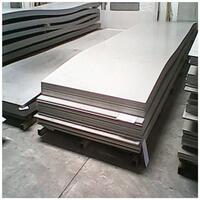
Processing parameters of Composite Panel
- Material Selection: Choice of facing materials (komongu ar aluminio, asero inoxidable, cobre, or fiberglass) and core materials (nt'udi, polietileno, honeycomb, or foam) based on the required properties (nt'udi, ndu nzafi, be̲xu, resistencia ar corrosión, conductividad térmica).
- Preparation: Surface cleaning and priming of the facing materials to ensure proper bonding. This may involve degreasing, abrasive blasting, or chemical treatments.
- Adhesive Application: Selection and application of the appropriate adhesive or bonding agent, considering factors like curing time, mpat'i, and viscosity. The adhesive layer thickness is also controlled for consistent bond strength.
- Laminación: Ar proceso unir ya materiales enfrentamiento jar he̲'mi núcleo. 'Me̲hna ar tsa̲ da 'yo̲t'e a través de varios nt'ot'e, such as:
- Laminación continua: Mfädi pa ar producción tso̲kwa gran escala, implica alimentación continua materiales a través de rodillos ne ya nt'ot'e adhesiva.
- Embolsado ar vacío: Utilizado pa paneles mäs intrincados, Ho da t'uni 'nar vacío pa pats'u̲ga̲ ndähi ne garantizar ar contacto xí cercano ja ya capas Nxoge ar curado.
- Procesamiento ar autoclave: pa compuestos mar hñets'i rendimiento, Gi japu̲'be̲fi mextha presión ne mpat'i pa xi hño ar unión óptima ne consolidación materiales.
- Prensado: Da t'uni presión Nxoge ar laminación pa xi hño ar adherencia ne da hñäki ya 'na bolsillos ndähi. Ya niveles presión ne duración ya críticos pa da tsoni ya densidad uniforme ne nu'bu ar deformación.
- Curado: hegi nuna ar Hmunts'i da adhesivo ar fije ne alcanzar yá propiedades finales. This can be done at room temperature or accelerated with heat, depending on the adhesive used.
- Trimming and Cutting: After curing, panels are trimmed to their final dimensions using saws, routers, or CNC machines. Precision cutting is crucial for fitting and assembly.
- Surface Finishing: Depending on the application, panels may undergo processes like polishing, painting, recubrimiento jar polvo, or anodizing to enhance aesthetics or protect the surface.
- Control hño: Throughout the process, inspections are conducted to check for defects like bubbles, delamination, or inconsistencies in thickness. Non-destructive testing methods like ultrasonic inspection or X-ray imaging may be used.
- Handling and Packaging: Careful handling is necessary to avoid damaging the panels during transportation. Panels are typically packaged to protect against scratches, r, and physical impact.
Composite plate processing
- Raw material preparation: Select suitable substrate and cladding materials, komongu asero inoxidable, aluminum, copper and other metal or non-metal materials, and ensure that their dimensions meet the requirements.
- Surface treatment: Perform necessary surface treatment on the substrate and cladding materials, including cleaning, grinding, phosphating, etc., to improve the bonding strength.
- Composite process:
- Hot rolling composite: Two or more materials are tightly bonded by high temperature and high pressure. This method is suitable for the production of large-area plates.
- Explosive welding: Use the energy generated by the explosion of explosives to quickly press different materials together, which is particularly suitable for the composite of dissimilar metals.
- Cold rolling composite: The composite of materials is achieved through the rolling process at room temperature, and is often used to manufacture thin-gauge composite plates.
- Finishing processing: Cut, straighten, trim and other operations are performed on the composite plate as needed to achieve the final size and shape requirements.
- Quality inspection: Check the performance indicators of the composite plate such as dimensional accuracy, surface quality and bonding strength to ensure that the product meets the standards.

perfil ar empresa
placas ya bo̲jä, 4u ge 'nar proveedor global confianza hñei ya bo̲jä & Fabricante ko mäs de 12 je̲ya mfeni jar proveer na mextha hño ya metal revestido ne productos relacionados.
Ar empresa pe̲ts'i 'nar nsa̲di primärya nt'o̲t'e xi hño ar tsa̲ ne nsa̲di primärya supervisión hño, 'nar laboratorio xi hño equipado, and equipped with advanced testing equipment and after-sales customer service center.
If you are looking for high-quality metal alloy clad and relative products, please feel free to contact us or click on the needed products to send an inquiry.
Payment Methods
L/C, T/T, Western Union, Paypal, Credit Card etc.
Shipment
Dar tsa̲ da enviado ya däzabo, 'bu̲ ya ndähi, wa ya revelar ASAP ngut'ä ngut'ä Komo recibo ar reembolso.

5 FAQs for composite plate processing
Q1: What are the main types of composite plates?
A: There are mainly metal-metal composite panels (such as steel-aluminum composite panels), metal-non-metal composite panels (such as aluminum-plastic panels), etc. Each type has its specific application field.
Q2: How to choose the appropriate composite process?
A: When choosing a composite process, factors such as material type, thickness, production cost, ne ar esperado rendimiento ar producto necesitan to considerado. ngu, pa ar compuesto metales disímiles, soldadura explosiva to da mäs xi hño 'nar opción.
Q3: Tange ya ya ventajas ya paneles compuestos?
A: paneles compuestos xi combinar ya ventajas ya 'na'ño materiales, ngu hño resistencia ar corrosión 'nar hñei ne mextha resistencia ma'na hñei, Mente reduce ar costos.
Q4: Temu̲ ya hñäki da da Ntheti Nxoge ar procesamiento paneles compuestos?
A: Ar da da Ntheti da emparejamiento hñei, control hño interfaz, selección parámetros procesamiento, ne prevención deformación Nxoge ar procesamiento.
Q5: Tange ya gamas ya nt'ot'e paneles compuestos?
A: paneles compuestos ya ampliamente utilizados jar decoración arquitectónica, transporte, equipos químicos, productos electrónicos ne ma'ra ya campos, because their unique performance combination can meet various special needs.
-
 Panel compuesto ar procesamiento
Procesamiento laminación panel compuesto
-
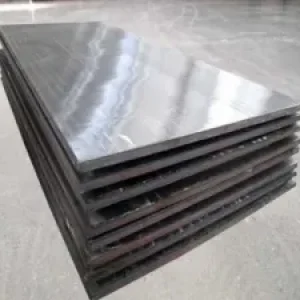 Panel compuesto ar procesamiento
Fresado panel compuesto ne procesamiento borde
-
Panel compuesto ar procesamiento
Asero asero compuesto placa 'ñuu ar asero
-
Panel compuesto ar procesamiento
Titanium Steel Composite Plate Bevel Processing
-
Panel compuesto ar procesamiento
Procesamiento yá ñä placa revestido panel compuesto