



বাজ সুরক্ষার জন্য একটি তামা পরিহিত ইস্পাত প্লেট কি??
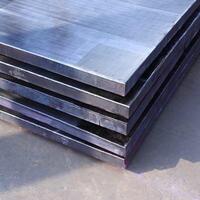
বাজ সুরক্ষার জন্য একটি তামা পরিহিত ইস্পাত প্লেট হল একটি দ্বিধাতু সংমিশ্রণ যা একটি পুরু তামার স্তরকে একটি ইস্পাত কোরের সাথে বিয়ে করে। বিস্ফোরক ঢালাই বা রোল বন্ধন. এটি আপনাকে স্টিলের যান্ত্রিক শক্তি এবং খরচ-দক্ষতার সাথে তামার পরিবাহিতা এবং জারা প্রতিরোধের দেয়. এটি একটি প্রলেপযুক্ত আবরণ নয়. এটি একটি ধাতব বন্ধন যা বজ্রপাতের চরম তাপীয় এবং যান্ত্রিক চাপের অধীনে খোসা ছাড়বে না বা ডিলামিনেট করবে না. প্রকৌশলীরা এটিকে গ্রাউন্ডিং ইলেক্ট্রোড হিসাবে ব্যবহার করেন, কাউন্টারপাইজ গ্রিড, অথবা সাবস্টেশনে সংযোগ প্যাড, টাওয়ার, এবং শিল্প সুবিধা.
কেন শুধু সলিড কপার বা সলিড স্টিল ব্যবহার করবেন না?
কঠিন তামা নরম, ব্যয়বহুল, এবং একটি রড হিসাবে মাটির গভীরে চালিত করা বা ভারী বাসবার সংযোগ সমর্থন করার শক্তির অভাব রয়েছে. সলিড ইস্পাত মাটিতে দ্রুত ক্ষয় হয়, মাসের মধ্যে তার কম-প্রতিরোধের পথ হারাচ্ছে. তামা পরিহিত ইস্পাত উভয় সমস্যা সমাধান করে. Reddit-এ অনেক ব্যবহারকারী রিপোর্ট করেছেন যে কঠিন তামা থেকে তামা পরিহিত ইস্পাত প্লেটে স্যুইচ করার পরে, তারা গ্রাউন্ড রেজিস্ট্যান্স টেস্টে কোন পারফরম্যান্স কম দেখেনি-কিন্তু তারা উপাদান খরচ কমিয়েছে 40% এবং কাজের সাইট থেকে মূল্যবান তামার স্ক্র্যাপ চুরি সম্পর্কে উদ্বেগ বন্ধ. তাই আসল প্রশ্ন হল: কেন আপনি এখনও খাঁটি তামা উল্লেখ করছেন??
কিভাবে বন্ড তৈরি হয়? বিস্ফোরণ বন্ধন বনাম. রোল বন্ধন
বিস্ফোরণ বন্ধন ইস্পাতে তামাকে ঢালাই করতে একটি সুনির্দিষ্টভাবে নিয়ন্ত্রিত বিস্ফোরক চার্জ ব্যবহার করে. ফলাফলটি পারমাণবিক স্তরে একটি সত্যিকারের ধাতব বন্ধন - কোন ফিলার নেই, কোন প্রবাহ, ইস্পাত নরম করে এমন কোন তাপ-আক্রান্ত অঞ্চল নেই. রোল বন্ধন উচ্চ চাপ এবং তাপমাত্রায় ভারী রোলারের মাধ্যমে স্ট্যাক করা ধাতুগুলিকে পাস করে. বাজ সুরক্ষা প্লেট জন্য, বিস্ফোরণ বন্ধন পছন্দের পদ্ধতি. এটি সম্পূর্ণ তামার পরিবাহিতা সংরক্ষণ করে এবং একটি বন্ধন তৈরি করে যা শিয়ারে পরীক্ষিত হয় 20,000 psi (140 এমপিএ). একটি জন্য একটি প্রকল্প ব্যবস্থাপক 500 কেভি সাবস্টেশন আমাকে বলেছিল যে সরাসরি বজ্রপাত পরীক্ষা করার পরে, তার বিস্ফোরণ-বন্ধনযুক্ত প্লেটগুলি প্রান্তে শূন্য বিচ্ছিন্নতা দেখায় - প্রলিপ্ত কিছু বা পরিহিত পণ্য দাবি করতে পারে না.
সঠিক তামা থেকে ইস্পাত বেধ অনুপাত কি?
শিল্প মান নির্দিষ্ট করে 10% থেকে 20% ক্রস-বিভাগীয় এলাকা দ্বারা তামা. 1/4-ইঞ্চির জন্য (6.35 মিমি) পুরু প্লেট, তার মানে 0.025 থেকে 0.050 তামা বন্ধন ইঞ্চি ইস্পাত মূল. কেন যে পরিসীমা? নিচে 10%, তামার স্তর অতিমাত্রায় উত্তপ্ত এবং বন্ধনকে অবনমিত না করে ঢেউ কারেন্ট ছড়িয়ে পড়াকে পরিচালনা করার জন্য খুব পাতলা. উপরে 20%, আপনি তামা নষ্ট করছেন এবং খরচ যোগ করছেন কারণ ইস্পাত কোর ইতিমধ্যে যান্ত্রিক লোড বহন করে. ট্রান্সমিশন টাওয়ার গ্রাউন্ডিংয়ের মতো উচ্চ-ফল্ট-কারেন্ট অ্যাপ্লিকেশনের জন্য, লেগে থাকা 15% তামা. সাধারণ বিল্ডিং গ্রাউন্ডিংয়ের জন্য, 10% ভাল কাজ করে. অর্থ সঞ্চয় করার জন্য কোনও সরবরাহকারীকে আপনাকে একটি পাতলা তামার স্তরে কথা বলতে দেবেন না; প্রথম বজ্রপাতের সময় আপনি এটি অনুশোচনা করবেন.
কোন স্ট্যান্ডার্ড গ্রাউন্ডিংয়ের জন্য কপার ক্ল্যাড স্টিল প্লেট পরিচালনা করে?
দুটি নথি অ-আলোচনাযোগ্য. প্রথম, ASTM B101 তামার জন্য স্পেসিফিকেশন কভার-পরিহিত ইস্পাত গ্রাউন্ডিং প্লেট-বন্ড অখণ্ডতা, তামার বেধ, এবং মাত্রিক সহনশীলতা. দ্বিতীয়, IEEE Std 80 গ্রাউন্ডিং ডিজাইনের গণনা প্রদান করে যা আপনাকে বলে যে প্রদত্ত ফল্ট কারেন্ট এবং মাটির প্রতিরোধ ক্ষমতার জন্য আপনার কত প্লেট এলাকা প্রয়োজন. যদি আপনার সরবরাহকারী ASTM B101-এ সম্মতির একটি শংসাপত্র প্রদান করতে না পারে, তাদের কাছ থেকে কিনবেন না. এছাড়াও অতিস্বনক পরীক্ষার জন্য জিজ্ঞাসা করুন (UT) রিপোর্ট যে voids বা disbonds জন্য সমগ্র বন্ড ইন্টারফেস স্ক্যান. ক 1% বন্ধনবিহীন এলাকা একটি সময় একটি ফাটল সূচনা পয়েন্ট হয়ে উঠতে পারে 100 kA বাজ ঢেউ.
আপনি কিভাবে বন্ডের গুণমান যাচাই করবেন? ইউটি এবং শিয়ার টেস্ট
অতিস্বনক পরীক্ষা (UT) তামা-ইস্পাত ইন্টারফেস ম্যাপ করতে উচ্চ-ফ্রিকোয়েন্সি শব্দ তরঙ্গ ব্যবহার করে. বন্ড অনুপস্থিত যে কোনো এলাকা একটি প্রতিফলন অসঙ্গতি হিসাবে দেখায়. শিয়ার টেস্টিং শারীরিকভাবে প্লেটটি কেটে ফেলে এবং ইস্পাত থেকে তামাকে স্লাইড করার চেষ্টা করে. বাজ সুরক্ষা প্লেট জন্য প্রয়োজনীয় শিয়ার শক্তি সাধারণত হয় 20,000 psi (140 এমপিএ) সর্বনিম্ন. পাস হয়নি এমন প্লেট গ্রহণ করবেন না 100% ইউটি স্ক্যানিং. একটি পেশাদার ফোরামে একজন ব্যবহারকারী একটি ভয়ঙ্কর গল্প শেয়ার করেছেন: তারা ইনস্টল করেছে 30 প্লেট, এবং ছয় মাস পরে, সরবরাহকারী UT এড়িয়ে যাওয়ার কারণে তিনটির তামার স্তরটি ফ্লেকিং বন্ধ ছিল. প্রতিস্থাপন খরচ মূল প্লেট মূল্য 10x ছিল. দাফন করার আগে যাচাই করে নিন.
কপার ক্ল্যাড স্টিল প্লেট কীভাবে সার্জ কারেন্ট পরিচালনা করে?
বজ্রপাতের সময়, ক্রমানুসারে ঢেউ বর্তমান 100,000 অ্যাম্পিয়ার প্লেটের মধ্য দিয়ে মাইক্রোসেকেন্ডে প্রবাহিত হয়. তামা স্তর একটি কম প্রতিবন্ধকতা পথ প্রদান করে. ইস্পাত কোর তাপ সিঙ্ক হিসাবে কাজ করে, তাপ শক্তি নষ্ট করে এবং তামাকে গলে যাওয়া বা বাষ্পীভূত হতে বাধা দেয়. যদি বন্ধন শব্দ হয়, প্লেট একটি একক কন্ডাক্টর হিসাবে আচরণ করে. বন্ধন দুর্বল হলে, ইন্টারফেস গরম হয়, তামা ইস্পাতের চেয়ে ভিন্ন হারে প্রসারিত হয়, এবং delamination শুরু হয়. এই কারণেই বিস্ফোরণের বন্ধন - এটির অবিচ্ছিন্ন পারমাণবিক বন্ধনের সাথে - যান্ত্রিক ক্ল্যাম্প বা সোল্ডারযুক্ত জয়েন্টগুলির চেয়ে উচ্চতর. আপনি মূলত একটি ইউনিটে দুটি ধাতু ঢালাই করছেন.
আপনি এই প্লেটগুলি কোথায় ইনস্টল করবেন?
সাধারণ অ্যাপ্লিকেশন অন্তর্ভুক্ত: 1) গ্রাউন্ডিং ইলেক্ট্রোড পৃথিবীতে উল্লম্বভাবে বা অনুভূমিকভাবে সমাহিত. 2) কাউন্টারপাইজ গ্রিড সাবস্টেশন পরিধির চারপাশে স্থাপন করা হয়েছে. 3) সংযোগ প্যাড যেখানে বিদ্যুতের রড বা ওভারহেড শিল্ড তারের কন্ডাক্টরগুলি গ্রাউন্ড গ্রিডের সাথে সংযুক্ত হয়. 4) সরঞ্জাম গ্রাউন্ডিং প্যাড ট্রান্সফরমার এবং সুইচগিয়ারের জন্য. প্লেটগুলি প্রায়শই বোল্টযুক্ত সংযোগের জন্য প্রি-ড্রিল করা গর্ত বা থ্রেডেড স্টাড দিয়ে সরবরাহ করা হয়. কপার প্লেট এবং স্টিলের বোল্টের মধ্যে গ্যালভানিক ক্ষয় এড়াতে এই সংযোগগুলির জন্য সর্বদা স্টেইনলেস স্টিল হার্ডওয়্যার ব্যবহার করুন.
কিভাবে তামা পরিহিত ইস্পাত মাটি ক্ষয় প্রতিরোধ করে?
তামা প্রাকৃতিকভাবে বেশিরভাগ মাটির রাসায়নিকের প্রতিরোধী - ক্লোরাইড, সালফেট, অ্যাসিড. তামার স্তর ইস্পাত কোরকে মাটির সাথে সরাসরি যোগাযোগ থেকে রক্ষা করে. তবে, কাটা প্রান্ত বা ছিদ্র করা গর্ত যেখানে ইস্পাত উন্মুক্ত হয়, আপনি ঐ এলাকা সীল করা আবশ্যক. একটি ক্ষয়-প্রতিরোধকারী যৌগ বা ইপোক্সি ম্যাস্টিকের একটি আবরণ ব্যবহার করুন. And never weld directly to the copper layer. Welding destroys the bond and exposes the steel. পরিবর্তে, use exothermic welding (cadweld) or bolted connections with stainless steel lugs. One corrosion engineer told me he saw a 30-year-old copper clad steel plate dug up from a coastal substation that looked almost new, while nearby solid steel rods were rusted through to the core.
Is Copper Clad Steel Cheaper Than Solid Copper?
হ্যাঁ, উল্লেখযোগ্যভাবে. Solid copper plate costs roughly four to five times more per square foot than copper clad steel of the same overall thickness. Because the steel core carries the mechanical load, you can also use a thinner overall plate—say 1/8 ইঞ্চি (3 মিমি) of copper clad steel instead of 1/4 ইঞ্চি (6 মিমি) of pure copper—and get the same structural rigidity. That means you save on material cost and on handling weight. For a large substation grounding grid, that cost difference can be tens of thousands of dollars. And you lose the incentive for thieves: copper clad steel plates are not worth stealing because the copper can’t be easily stripped from the steel core.
What About Galvanic Corrosion at Joints?
Galvanic corrosion occurs when two dissimilar metals are in electrical contact in the presence of an electrolyte (wet soil). Copper is noble; steel is active. If you connect a copper clad steel plate to a galvanized steel ground rod, the steel rod will corrode preferentially at the connection point. The fix is straightforward: use copper alloy or stainless steel connectors at all joints, and coat the connection interface with a dielectric anti-corrosion grease. আরো ভালো, use all copper clad steel throughout the grounding system—rods, প্লেট, and cables—so you have a single metal pair (copper to copper) at every junction. Some engineers argue that a small amount of galvanic corrosion is acceptable if the grounding system has excess metal cross-section. I disagree. A lightning protection system is only as good as its weakest link. Prevent corrosion at the joints and you prevent system failure.
How Does the Mechanical Strength of Copper Clad Steel Help?
The steel core gives the plate the stiffness to be driven into the ground without bending. It also supports heavy equipment bolted onto the plate without deforming. বজ্রপাতের সময়, the steel core absorbs the mechanical shockwave that would shear a pure copper plate. And if you install plates in areas with freeze-thaw cycles, the steel core prevents cracking under ground movement. One contractor I worked with drove a 0.25-inch (6.35 মিমি) thick copper clad steel plate three feet into rocky soil using a hydraulic hammer—something you could never do with pure copper. That same strength allows you to use longer, thinner plates for deeper ground contact without the risk of breakage.
Why Do Some Engineers Still Specify Solid Copper?
They haven’t updated their specifications in 20 বছর. They assume copper is the gold standard and don’t question it. Some also worry that a copper clad plate is a composite, and composites might have hidden flaws. But the truth is, copper clad steel has been used in military and industrial grounding for decades, and it works. The IEEE and ASTM both recognize it. The only reason not to use it is if your soil is extremely acidic (পিএইচ < 4.0) and the copper itself will corrode, in which case you should use stainless steel anyway, not pure copper. So if your engineer or specifier insists on solid copper, ask them to show you a cost-benefit analysis. Chances are, they can't.
What Edge-Sealing Techniques Prevent Bond Attack?
At the factory, the edges of a copper clad steel plate are often sealed by welding a copper edge strip around the perimeter. This prevents soil moisture from creeping between the copper and steel layers. If you cut a plate to size in the field, you must seal the cut edge. Use a two-part epoxy coating or a hot-applied bituminous sealant. Do not leave any exposed steel. এছাড়াও, if you drill holes, apply the same sealant to the hole walls. Many users on Reddit have pointed out that edge corrosion is the most common failure mode for copper clad steel plates—not the bond itself, but the unprotected edges. Seal every exposed steel surface.
Can Copper Clad Steel Plates Be Used in Marine Environments?
হ্যাঁ, with caution. In saltwater splash zones, the galvanic corrosion risk is higher. Use thicker copper layers (অন্তত 20% cross-section) and apply a heavy marine-grade epoxy coating to all exposed steel edges. If the plate will be fully immersed in seawater, consider using a copper-nickel clad plate instead. But for offshore wind turbine grounding or coastal substations, copper clad steel is used successfully when properly sealed. One offshore platform installer told me they use copper clad steel grounding plates because they need the mechanical strength to withstand wave impact, and pure copper would deform under the load.
What Sizes and Shapes Are Available?
Standard plates come in sizes from 12 ইঞ্চি দ্বারা 12 ইঞ্চি (300 x 300 মিমি) পর্যন্ত 48 ইঞ্চি দ্বারা 96 ইঞ্চি (1200 x 2400 মিমি). থেকে বেধ পরিসীমা 1/8 ইঞ্চি (3 মিমি) থেকে 1 ইঞ্চি (25 মিমি). Custom shapes can be made: আয়তক্ষেত্রাকার, বৃত্তাকার, or L-shaped for corner applications. Some manufacturers offer plates with integral grounding studs or mounting lugs. If you need a non-standard shape, order early; custom dies may require a longer lead time. For most substation applications, ক 24 x 24 inch plate with 0.25 inch overall thickness and 15% copper is the workhorse size.
How Do You Test the Installed Ground Resistance of a Copper Clad Steel Plate?
Use the fall-of-potential method per IEEE Std 81. Drive two test rods away from the plate, measure the voltage drop across them while injecting a test current, and calculate the resistance. For a single copper clad steel plate in moderate soil (100 ohm-meters), you should see a ground resistance of 5 থেকে 15 ohms, depending on plate size and burial depth. If the resistance is higher than expected, check for a broken connection or a poorly bonded plate edge. Many users on technical forums recommend testing immediately after installation and then annually after that. A rising resistance trend usually signals corrosion at a joint or bond degradation.
There is no shortcut in grounding. You either do it right with certified, tested materials, or you accept periodic failures. Copper clad steel plate for lightning protection is not a compromise—it is an engineered solution that outperforms solid copper in every practical metric except raw electrical conductivity per unit volume. And that small conductivity difference is irrelevant when the plate is sized correctly. Specify ASTM B101, demand UT and shear test reports, seal every edge, and your lightning protection system will last the life of the structure.
সরবরাহকারী
মেটাল প্লেট 4U একটি বিশ্বস্ত গ্লোবাল মেটাল কম্পোজিট প্যানেল সরবরাহকারী & সুপার উচ্চ মানের স্টেইনলেস স্টীল প্রদান ব্যাপক অভিজ্ঞতা সঙ্গে প্রস্তুতকারকের, নিকেল খাদ, তামা ইস্পাত, এবং টাইটানিয়াম ইস্পাত যৌগিক প্লেট. কোম্পানিটি অনেক দেশে রপ্তানি করে, যেমন মার্কিন যুক্তরাষ্ট্র, কানাডা, ইউরোপ, সংযুক্ত আরব আমিরাত, দক্ষিণ আফ্রিকা, ইত্যাদি. একটি নেতৃস্থানীয় বিস্ফোরণ বন্ধন পরিহিত প্লেট বিকাশকারী হিসাবে, মেটাল প্লেট 4U বাজারে আধিপত্য বিস্তার করে. আমাদের পেশাদার কাজের দল বিভিন্ন শিল্পের দক্ষতা উন্নত করতে সাহায্য করার জন্য নিখুঁত সমাধান প্রদান করে, যেমন চাপ জাহাজ, তাপ এক্সচেঞ্জার, জাহাজ নির্মাণ, এবং রাসায়নিক প্রক্রিয়াকরণ, মান তৈরি করুন, এবং সহজেই বিভিন্ন চ্যালেঞ্জ মোকাবেলা করতে পারে. আপনি যদি ধাতব যৌগিক প্যানেল বা বাইমেটাল পরিহিত প্লেট খুঁজছেন, আমাদের সাথে যোগাযোগ বিনা দ্বিধায় দয়া করে!