



Kedu ihe bụ efere ọla kọpa maka nchekwa ọkụ?
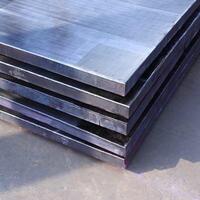
Efere ọla kọpa maka nchebe àmụmà bụ ihe mejupụtara bimetal nke na-alụ akwa ọla kọpa buru ibu ruo nchara nchara. mgbawa ịgbado ọkụ ma ọ bụ mpịakọta bonding. Ọ na-enye gị conductivity na corrosion iguzogide ọla kọpa na n'ibu ike na-eri-arụmọrụ nke ígwè. Nke a abụghị ihe mkpuchi plated. Ọ bụ njikọ nke metallurgical nke na-agaghị ehichapụ ma ọ bụ delaminate n'okpuru oke okpomọkụ na nrụgide ọrụ nke ọkụ ọkụ.. Ndị injinia na-eji ya dị ka electrode na-akụ ala, grid counterpoise, ma ọ bụ eriri njikọ na substations, ụlọ elu, na ụlọ ọrụ mmepụta ihe.
Kedu ihe kpatara na ejighi naanị ọla kọpa siri ike ma ọ bụ igwe siri ike?
Ọla kọpa siri ike dị nro, ọnụ, ma enweghi ike ibuba n'ime ala dị ka mkpanaka ma ọ bụ ịkwado njikọ ụgbọ ala dị arọ. Nchara siri ike na-emebi ngwa ngwa n'ime ala, na-efunahụ ụzọ mgbochi ya dị ala na ọnwa. Ọla kọpa uwe ígwè na-edozi okwu abụọ ahụ. Ọtụtụ ndị ọrụ na Reddit na-akọ na mgbe ha si na ọla kọpa siri ike gbanwee gaa na efere ọla kọpa, ha ahụghị na ọ dịghị arụmọrụ dara ada na ule nguzogide ala-mana ha belatara ọnụ ahịa ihe onwunwe site na 40% ma kwụsị ichegbu onwe ya banyere izu ohi nke ọla kọpa bara uru na saịtị ọrụ. Ya mere ajuju bu: gini mere i ka ji na-akọwa ọla kọpa dị ọcha?
Kedu ka esi eme nkekọ ahụ? Mgbawa njide vs. Ntinye akwụkwọ mpịakọta
Njikọ mgbawa na-eji ụgwọ mgbawa a na-achịkwa nke ọma iji wekọta ọla kọpa na nchara. Ihe si na ya pụta bụ ezigbo njikọ ọla na ọkwa atọm - enweghị ihe ndochi, enweghị mgbanwe, ọ dịghị mpaghara okpomọkụ emetụtara nke na-eme ka ígwè dị nro. Mpịakọta bonding na-agafe ọla ndị ekpokọtara ọnụ site na nnukwu rollers n'okpuru nnukwu nrụgide na okpomọkụ. Maka efere nchebe ọkụ, njikọ mgbawa bụ usoro kachasị amasị. Ọ na-echekwa conductivity ọla kọpa zuru oke ma na-emepụta njikọ nke nwalere na shiee ka ọ gafere 20,000 psi (140 MPa). Otu onye njikwa oru ngo maka a 500 kV substation gwara m na mgbe a kpọmkwem àmụmà iku ule, efere ya gbawara agbawa gosiri zero delamination na nsọtụ-ihe mkpuchi ma ọ bụ uwe ngwaahịa enweghị ike ịzọrọ.
Kedu ihe bụ oke nha ọla kọpa gaa nchara nchara?
Ụkpụrụ ụlọ ọrụ na-akọwapụta 10% ka 20% ọla kọpa site na mpaghara obe. Maka 1/4-inch (6.35 mm) nnukwu efere, nke ahụ pụtara 0.025 ka 0.050 sentimita asatọ nke ọla kọpa jikọtara na ígwè isi. Gịnị kpatara oke ahụ? N'okpuru 10%, oyi akwa ọla kọpa dị gịrịgịrị ka ọ ghara ijikwa mmụba nke ugbu a na-agbasa na-enweghị ikpo oke ọkụ ma mebie njikọ ahụ. N'elu 20%, ị na-emefu ọla kọpa ma na-agbakwụnye ọnụ ahịa n'ihi na isi ígwè na-ebularị ibu ọrụ. Maka nnukwu mmejọ-ngwa dị ugbu a dị ka ịgbado ụlọ elu nnyefe, jidesie ike 15% ọla kọpa. N'ihi na general ụlọ grounding, 10% na-arụ ọrụ nke ọma. Ekwela ka onye na-ebubata ngwaahịa gwa gị okwu n'ime akwa ọla kọpa dị gịrịgịrị iji chekwaa ego; ị ga-akwa ụta ya n'oge oge ọkụ nke mbụ.
Kedu ụkpụrụ na-achị efere ọla kọpa kpuchiri igwe maka ala?
Akwụkwọ abụọ enweghị nkwekọrịta. Mbụ, ASTM B101 na-ekpuchi nkọwapụta maka ọla kọpa-uwe ígwè grounding efere-njikọ iguzosi ike n'ezi ihe, ọla kọpa ọkpụrụkpụ, na oke ndidi. Nke abụọ, IEEE Std 80 na-enye grounding imewe mgbako na-agwa gị ole efere ebe ị chọrọ maka a nyere mmejọ ugbu a na ala resistivity. Ọ bụrụ na ndị na-ebubata gị enweghị ike ịnye asambodo nnabata na ASTM B101, adịghị azụta n'aka ha. Rịọkwa maka nnwale ultrasonic (UT) na-akọ na-enyocha ihe niile njikọ interface maka ihe efu ma ọ bụ disbonds. A 1% mpaghara enweghị njikọ nwere ike ịghọ ebe mmalite mgbawa n'oge a 100 kA àmụmà amụba.
Kedu ka esi enyocha ogo nkekọ? Ule UT na Shear
Nnwale Ultrasonic (UT) na-eji ebili mmiri ụda dị elu na-esepụta eserese ọla kọpa-steel. Mpaghara ọ bụla ebe njikọ ahụ na-efu na-egosi dị ka anomaly ntụgharị. Nnwale shear na-egbutu efere ahụ n'ụzọ anụ ahụ wee nwaa ịkwanye ọla kọpa na nchara ahụ. Ike shiee achọrọ maka epekele nchebe ọkụ na-abụkarị 20,000 psi (140 MPa) kacha nta. Anabatala efere na-agafebeghị 100% Nyocha UT. Otu onye ọrụ na ọgbakọ ọkachamara kesara akụkọ egwu: ha arụnyere 30 efere, na mgbe ọnwa isii gachara, atọ nwere oyi akwa ọla kọpa na-apụ apụ n'ihi na onye na-ebubata ya mafere UT. Ọnụ ego nnọchi anya bụ 10x ọnụahịa efere mbụ. Nyochaa tupu ị lie.
Kedu ka efere igwe mkpuchi ọla kọpa si ejikwa oge ịwa ahụ?
N'oge ọkụ ọkụ, anya ugbu a n'usoro nke 100,000 amperes na-asọfe n'efere ahụ na nkeji nkeji. Ngwunye ọla kọpa na-enye ụzọ nkwụsịtụ dị ala. Isi nchara na-arụ ọrụ dị ka ikpo ọkụ, na-ekpochapụ ike ọkụ na igbochi ọla kọpa na-agbaze ma ọ bụ vaporizing. Ọ bụrụ na njikọ ahụ dị mma, efere ahụ na-akpa àgwà ka otu onye nduzi. Ọ bụrụ na njikọ adịghị ike, interface na-ekpo ọkụ, ọla kọpa na-agbasa n'ụdị dị iche karịa ígwè, na delamination amalite. Nke a bụ ya mere njikọ mgbawa — ya na njikọ atọm ya na-aga n'ihu - ji dị elu karịa njigide igwe ma ọ bụ nkwonkwo ndị a na-ere ere. Ị na-agbado ọla abụọ n'otu nkeji.
Ebee ka ị na-etinye efere ndị a?
Ngwa nkịtị gụnyere: 1) Igwe ọkụ eletrik e liri ya kwụ ọtọ ma ọ bụ kwụ n'ahịrị n'ala. 2) Counterpoise grids laid out around substation perimeters. 3) Connection pads where down conductors from lightning rods or overhead shield wires connect to the ground grid. 4) Equipment grounding pads for transformers and switchgear. The plates are often supplied with pre-drilled holes or threaded studs for bolted connections. Always use stainless steel hardware for these connections to avoid galvanic corrosion between the copper plate and the steel bolts.
How Does Copper Clad Steel Resist Soil Corrosion?
Copper is naturally resistant to most soil chemicals—chlorides, sulfates, acids. The copper layer shields the steel core from direct contact with the ground. Agbanyeghị, at cut edges or drilled holes where the steel is exposed, you must seal those areas. Use a corrosion-inhibiting compound or a coat of epoxy mastic. And never weld directly to the copper layer. Welding destroys the bond and exposes the steel. Kama, use exothermic welding (cadweld) or bolted connections with stainless steel lugs. One corrosion engineer told me he saw a 30-year-old copper clad steel plate dug up from a coastal substation that looked almost new, while nearby solid steel rods were rusted through to the core.
Is Copper Clad Steel Cheaper Than Solid Copper?
Ee, budata. Solid copper plate costs roughly four to five times more per square foot than copper clad steel of the same overall thickness. Because the steel core carries the mechanical load, you can also use a thinner overall plate—say 1/8 inch (3 mm) of copper clad steel instead of 1/4 inch (6 mm) of pure copper—and get the same structural rigidity. That means you save on material cost and on handling weight. For a large substation grounding grid, that cost difference can be tens of thousands of dollars. And you lose the incentive for thieves: copper clad steel plates are not worth stealing because the copper can’t be easily stripped from the steel core.
What About Galvanic Corrosion at Joints?
Galvanic corrosion occurs when two dissimilar metals are in electrical contact in the presence of an electrolyte (wet soil). Copper is noble; steel is active. If you connect a copper clad steel plate to a galvanized steel ground rod, the steel rod will corrode preferentially at the connection point. The fix is straightforward: use copper alloy or stainless steel connectors at all joints, and coat the connection interface with a dielectric anti-corrosion grease. Ọ ka mma, use all copper clad steel throughout the grounding system—rods, efere, and cables—so you have a single metal pair (copper to copper) at every junction. Some engineers argue that a small amount of galvanic corrosion is acceptable if the grounding system has excess metal cross-section. I disagree. A lightning protection system is only as good as its weakest link. Prevent corrosion at the joints and you prevent system failure.
How Does the Mechanical Strength of Copper Clad Steel Help?
The steel core gives the plate the stiffness to be driven into the ground without bending. It also supports heavy equipment bolted onto the plate without deforming. N'oge ọkụ ọkụ, the steel core absorbs the mechanical shockwave that would shear a pure copper plate. And if you install plates in areas with freeze-thaw cycles, the steel core prevents cracking under ground movement. One contractor I worked with drove a 0.25-inch (6.35 mm) thick copper clad steel plate three feet into rocky soil using a hydraulic hammer—something you could never do with pure copper. That same strength allows you to use longer, thinner plates for deeper ground contact without the risk of breakage.
Why Do Some Engineers Still Specify Solid Copper?
They haven’t updated their specifications in 20 afọ. They assume copper is the gold standard and don’t question it. Some also worry that a copper clad plate is a composite, and composites might have hidden flaws. But the truth is, copper clad steel has been used in military and industrial grounding for decades, and it works. The IEEE and ASTM both recognize it. The only reason not to use it is if your soil is extremely acidic (pH < 4.0) and the copper itself will corrode, in which case you should use stainless steel anyway, not pure copper. So if your engineer or specifier insists on solid copper, ask them to show you a cost-benefit analysis. Chances are, they can't.
What Edge-Sealing Techniques Prevent Bond Attack?
At the factory, the edges of a copper clad steel plate are often sealed by welding a copper edge strip around the perimeter. This prevents soil moisture from creeping between the copper and steel layers. If you cut a plate to size in the field, you must seal the cut edge. Use a two-part epoxy coating or a hot-applied bituminous sealant. Do not leave any exposed steel. Ọzọkwa, if you drill holes, apply the same sealant to the hole walls. Many users on Reddit have pointed out that edge corrosion is the most common failure mode for copper clad steel plates—not the bond itself, but the unprotected edges. Seal every exposed steel surface.
Can Copper Clad Steel Plates Be Used in Marine Environments?
Ee, with caution. In saltwater splash zones, the galvanic corrosion risk is higher. Use thicker copper layers (opekempe 20% cross-section) and apply a heavy marine-grade epoxy coating to all exposed steel edges. If the plate will be fully immersed in seawater, consider using a copper-nickel clad plate instead. But for offshore wind turbine grounding or coastal substations, copper clad steel is used successfully when properly sealed. One offshore platform installer told me they use copper clad steel grounding plates because they need the mechanical strength to withstand wave impact, and pure copper would deform under the load.
What Sizes and Shapes Are Available?
Standard plates come in sizes from 12 sentimita asatọ 12 sentimita asatọ (300 x 300 mm) ruo 48 sentimita asatọ 96 sentimita asatọ (1200 x 2400 mm). Ọkpụrụkpụ sitere na 1/8 inch (3 mm) ka 1 inch (25 mm). Custom shapes can be made: akụkụ anọ, okirikiri, or L-shaped for corner applications. Some manufacturers offer plates with integral grounding studs or mounting lugs. If you need a non-standard shape, order early; custom dies may require a longer lead time. For most substation applications, a 24 x 24 inch plate with 0.25 inch overall thickness and 15% copper is the workhorse size.
How Do You Test the Installed Ground Resistance of a Copper Clad Steel Plate?
Use the fall-of-potential method per IEEE Std 81. Drive two test rods away from the plate, measure the voltage drop across them while injecting a test current, and calculate the resistance. For a single copper clad steel plate in moderate soil (100 ohm-meters), you should see a ground resistance of 5 ka 15 ohms, depending on plate size and burial depth. If the resistance is higher than expected, check for a broken connection or a poorly bonded plate edge. Many users on technical forums recommend testing immediately after installation and then annually after that. A rising resistance trend usually signals corrosion at a joint or bond degradation.
There is no shortcut in grounding. You either do it right with certified, tested materials, or you accept periodic failures. Copper clad steel plate for lightning protection is not a compromise—it is an engineered solution that outperforms solid copper in every practical metric except raw electrical conductivity per unit volume. And that small conductivity difference is irrelevant when the plate is sized correctly. Specify ASTM B101, demand UT and shear test reports, seal every edge, and your lightning protection system will last the life of the structure.
Onye na-ebu ihe
Metal Plate 4U bụ onye na-eweta panel metal composite panel zuru ụwa ọnụ ntụkwasị obi & emeputa nwere ahụmahụ dị ukwuu n'inye igwe anaghị agba nchara dị oke elu, nickel alloy, ọla kọpa ígwè, na titanium ígwè mejupụtara efere. Ụlọ ọrụ ahụ na-ebupụ n'ọtụtụ mba, dị ka USA, Canada, Europe, UAE, South Africa, wdg. Dị ka onye na-eduga mgbawa bonded kpuchiri efere onye mmepụta, Metal Plate 4U na-achị ahịa. Ndị otu ọrụ ọkachamara anyị na-enye ngwọta zuru oke iji nyere aka melite arụmọrụ nke ụlọ ọrụ dị iche iche, dị ka arịa nrụgide, ndị na-ekpo ọkụ, ụgbọ mmiri, na nhazi kemịkal, mepụta uru, na mfe ịnagide nsogbu dị iche iche. Ọ bụrụ na ị na-achọ ogwe ihe mejupụtara igwe ma ọ bụ efere bimetal, biko nweere onwe gị ịkpọtụrụ anyị!