



Ano ang Copper Clad Steel Plate para sa Proteksyon ng Kidlat?
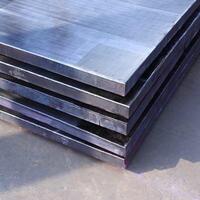
A copper clad steel plate for lightning protection is a bimetal composite that marries a thick copper layer to a steel core using explosive welding or roll bonding. It gives you the conductivity and corrosion resistance of copper with the mechanical strength and cost-efficiency of steel. This is not a plated coating. It is a metallurgical bond that won’t peel or delaminate under the extreme thermal and mechanical stress of a lightning strike. Engineers use it as a grounding electrode, counterpoise grid, or connection pad in substations, towers, and industrial facilities.
Why Not Just Use Solid Copper or Solid Steel?
Solid copper is soft, mahal, and lacks the strength to be driven deep into the ground as a rod or to support heavy busbar connections. Solid steel corrodes rapidly in soil, losing its low-resistance path in months. tanso nakadamit steel solves both issues. Many users on Reddit report that after switching from solid copper to copper clad steel plates, they saw no performance drop in ground resistance tests—but they cut material costs by 40% and stopped worrying about theft of valuable copper scrap from job sites. So the real question is: why are you still specifying pure copper?
How Is the Bond Made? Explosion Bonding vs. Roll Bonding
Explosion bonding uses a precisely controlled explosive charge to weld the copper to the steel. The result is a true metallurgical bond at the atomic level—no filler, no flux, no heat-affected zone that softens the steel. Ang roll bonding ay dumadaan sa mga nakasalansan na metal sa pamamagitan ng mabibigat na roller sa ilalim ng mataas na presyon at temperatura. Para sa mga plato ng proteksyon ng kidlat, Ang pagbubuklod ng pagsabog ay ang ginustong pamamaraan. Pinapanatili nito ang buong kondaktibiti ng tanso at gumagawa ng isang bono na nasubok sa paggugupit upang lumampas 20,000 psi (140 MPa). Isang project manager para sa a 500 Sinabi sa akin ng kV substation na pagkatapos ng direktang pagsubok sa pagtama ng kidlat, ang kanyang explosion-bonded plates ay nagpakita ng zero delamination sa mga gilid-may pinahiran o nakadamit hindi maaaring i-claim ang mga produkto.
Ano ang Tamang Copper-to-Steel Thickness Ratio?
Tinutukoy ng pamantayan ng industriya 10% sa 20% tanso ayon sa cross-sectional area. Para sa isang 1/4-inch (6.35 mm) makapal na plato, ibig sabihin 0.025 sa 0.050 pulgada ng tanso bonded sa bakal core. Bakit ang hanay na iyon? sa ibaba 10%, ang tansong layer ay masyadong manipis upang mahawakan ang surge current na kumakalat nang hindi nag-overheat at nagpapasama sa bond. sa itaas 20%, nag-aaksaya ka ng tanso at nagdaragdag ng gastos dahil dinadala na ng steel core ang mekanikal na karga. Para sa mga high-fault-current na application tulad ng transmission tower grounding, dumikit sa 15% tanso. Para sa pangkalahatang saligan ng gusali, 10% gumagana nang maayos. Huwag hayaan ang isang supplier na makipag-usap sa iyo sa isang mas manipis na layer ng tanso upang makatipid ng pera; pagsisisihan mo ito sa unang panahon ng kidlat.
Aling Mga Pamantayan ang Namamahala sa mga Copper Clad Steel Plate para sa Grounding?
Dalawang dokumento ang hindi mapag-usapan. Una, ASTM B101 sumasaklaw sa pagtutukoy para sa tanso-nakadamit steel grounding plates—integridad ng bono, kapal ng tanso, at dimensional tolerances. Pangalawa, IEEE Std 80 nagbibigay ng mga kalkulasyon sa disenyo ng saligan na nagsasabi sa iyo kung gaano karaming lugar ng plato ang kailangan mo para sa isang naibigay na kasalukuyang fault at resistivity ng lupa. Kung hindi makapagbigay ang iyong supplier ng sertipiko ng pagsunod sa ASTM B101, huwag bumili sa kanila. Humingi din ng ultrasonic testing (UT) mga ulat na nag-scan sa buong interface ng bono para sa mga void o disbond. A 1% ang unbonded area ay maaaring maging crack initiation point habang a 100 kA paggulong ng kidlat.
Paano Mo Ibe-verify ang Kalidad ng Bond? UT at Shear Test
Pagsubok sa ultrasoniko (UT) gumagamit ng mga high-frequency na sound wave para imapa ang tansong-bakal na interface. Ang anumang lugar kung saan nawawala ang bono ay lumalabas bilang isang anomalya sa pagmuni-muni. Pisikal na pinuputol ng shear testing ang plato at sinusubukang i-slide ang tanso sa bakal. Ang kinakailangang lakas ng paggugupit para sa mga plate na proteksyon ng kidlat ay karaniwang 20,000 psi (140 MPa) pinakamababa. Huwag tanggapin ang mga plato na hindi naipasa 100% Pag-scan ng UT. Isang user sa isang propesyonal na forum ang nagbahagi ng isang nakakatakot na kwento: na-install nila 30 mga plato, at makalipas ang anim na buwan, tatlo ang na-flake ng copper layer dahil nilaktawan ng supplier ang UT. Ang halaga ng kapalit ay 10x sa orihinal na presyo ng plato. I-verify bago mo ilibing.
Paano Hinahawakan ng mga Copper Clad Steel Plate ang Surge Current?
Sa panahon ng isang kidlat, surge current sa pagkakasunud-sunod ng 100,000 ang mga amperes ay dumadaloy sa plato sa loob ng microseconds. Ang tansong layer ay nagbibigay ng isang mababang-impedance na landas. Ang steel core ay nagsisilbing heat sink, pagwawaldas ng thermal energy at pagpigil sa tanso mula sa pagkatunaw o pagsingaw. Kung maayos ang bond, ang plato ay kumikilos bilang isang solong konduktor. Kung mahina ang ugnayan, umiinit ang interface, ang tanso ay lumalawak sa ibang bilis kaysa sa bakal, at magsisimula ang delamination. Ito ang dahilan kung bakit ang pagbubuklod ng pagsabog—na may tuluy-tuloy na atomic bond nito—ay mas mataas kaysa sa mga mechanical clamp o soldered joints. Ikaw ay mahalagang hinang ang dalawang metal sa isang yunit.
Saan Mo Inilalagay ang Mga Plate na Ito?
Kasama sa mga karaniwang application: 1) Grounding electrodes inilibing patayo o pahalang sa lupa. 2) Counterpoise grids inilatag sa paligid ng mga perimeter ng substation. 3) Mga pad ng koneksyon kung saan ang mga down conductor mula sa lightning rods o overhead shield wire ay kumokonekta sa ground grid. 4) Mga grounding pad ng kagamitan para sa mga transformer at switchgear. Ang mga plato ay kadalasang binibigyan ng pre-drilled hole o sinulid na mga stud para sa mga bolted na koneksyon. Palaging gumamit ng hindi kinakalawang na asero na hardware para sa mga koneksyon na ito upang maiwasan ang galvanic corrosion sa pagitan ng copper plate at mga steel bolts.
Paano Lumalaban ang Copper Clad Steel sa Kaagnasan ng Lupa?
Ang tanso ay likas na lumalaban sa karamihan ng mga kemikal sa lupa—mga klorido, mga sulpate, mga acid. Pinoprotektahan ng tansong layer ang core ng bakal mula sa direktang kontak sa lupa. Gayunpaman, sa mga ginupit na gilid o mga butas kung saan nakalantad ang bakal, dapat mong selyuhan ang mga lugar na iyon. Gumamit ng corrosion-inhibiting compound o coat ng epoxy mastic. At hindi kailanman magwelding nang direkta sa layer ng tanso. Sinisira ng welding ang bono at inilalantad ang bakal. sa halip, gumamit ng exothermic welding (cadweld) o mga bolted na koneksyon na may mga hindi kinakalawang na asero na lug. Sinabi sa akin ng isang inhinyero ng kaagnasan na nakakita siya ng isang 30 taong gulang na tansong nakasuot ng bakal na plato na hinukay mula sa isang substation sa baybayin na mukhang bago., habang ang mga kalapit na solid steel rod ay kinakalawang hanggang sa kaibuturan.
Mas mura ba ang Copper Clad Steel kaysa Solid Copper?
Oo, makabuluhang. Ang solid copper plate ay nagkakahalaga ng humigit-kumulang apat hanggang limang beses na mas mataas bawat square foot kaysa sa tansong clad steel na may parehong kabuuang kapal. Dahil ang core ng bakal ay nagdadala ng mekanikal na pagkarga, maaari ka ring gumamit ng mas manipis na pangkalahatang plato—sabihin 1/8 pulgada (3 mm) ng tansong clad steel sa halip na 1/4 pulgada (6 mm) ng purong tanso-at makakuha ng parehong structural rigidity. Ibig sabihin, nakakatipid ka sa materyal na gastos at sa paghawak ng timbang. For a large substation grounding grid, that cost difference can be tens of thousands of dollars. And you lose the incentive for thieves: copper clad steel plates are not worth stealing because the copper can’t be easily stripped from the steel core.
What About Galvanic Corrosion at Joints?
Galvanic corrosion occurs when two dissimilar metals are in electrical contact in the presence of an electrolyte (wet soil). Copper is noble; steel is active. If you connect a copper clad steel plate to a galvanized steel ground rod, the steel rod will corrode preferentially at the connection point. The fix is straightforward: use copper alloy or stainless steel connectors at all joints, at balutin ang interface ng koneksyon ng isang dielectric na anti-corrosion grease. Mas mabuti pa, gamitin ang lahat ng copper clad steel sa buong grounding system—mga rod, mga plato, at mga cable—kaya mayroon kang isang pares ng metal (tanso sa tanso) sa bawat junction. Ang ilang mga inhinyero ay tumututol na ang isang maliit na halaga ng galvanic corrosion ay katanggap-tanggap kung ang grounding system ay may labis na metal cross-section. hindi ako sumasang-ayon. Ang isang sistema ng proteksyon ng kidlat ay kasinghusay lamang ng pinakamahina nitong link. Pigilan ang kaagnasan sa mga kasukasuan at pinipigilan mo ang pagkabigo ng system.
Paano Nakakatulong ang Mechanical Strength ng Copper Clad Steel?
Ang bakal na core ay nagbibigay sa plato ng katigasan upang itaboy sa lupa nang walang baluktot. Sinusuportahan din nito ang mabibigat na kagamitan na naka-bold sa plato nang hindi nabubulok. Sa panahon ng isang kidlat, the steel core absorbs the mechanical shockwave that would shear a pure copper plate. And if you install plates in areas with freeze-thaw cycles, the steel core prevents cracking under ground movement. One contractor I worked with drove a 0.25-inch (6.35 mm) thick copper clad steel plate three feet into rocky soil using a hydraulic hammer—something you could never do with pure copper. That same strength allows you to use longer, thinner plates for deeper ground contact without the risk of breakage.
Why Do Some Engineers Still Specify Solid Copper?
They haven’t updated their specifications in 20 taon. They assume copper is the gold standard and don’t question it. Some also worry that a copper clad plate is a composite, and composites might have hidden flaws. But the truth is, Ang copper clad steel ay ginamit sa militar at industriyal na saligan sa loob ng mga dekada, at ito ay gumagana. Ang IEEE at ASTM ay parehong kinikilala ito. Ang tanging dahilan upang hindi gamitin ito ay kung ang iyong lupa ay sobrang acidic (pH < 4.0) and the copper itself will corrode, in which case you should use stainless steel anyway, not pure copper. So if your engineer or specifier insists on solid copper, ask them to show you a cost-benefit analysis. Chances are, they can't.
Anong Mga Pamamaraan ng Edge-Sealing ang Pinipigilan ang Pag-atake ng Bond?
Sa pabrika, ang mga gilid ng isang plate na bakal na tanso na nakasuot ng tanso ay madalas na tinatakan sa pamamagitan ng pag-welding ng isang piraso ng tansong gilid sa paligid ng perimeter. Pinipigilan nito ang paggapang ng kahalumigmigan ng lupa sa pagitan ng mga layer ng tanso at bakal. Kung gupitin mo ang isang plato sa laki sa bukid, dapat mong i-seal ang hiwa na gilid. Gumamit ng dalawang bahagi na epoxy coating o isang hot-applied bituminous sealant. Huwag mag-iwan ng anumang nakalantad na bakal. Gayundin, kung magbubutas ka, ilapat ang parehong sealant sa mga dingding ng butas. Itinuro ng maraming user sa Reddit na ang edge corrosion ay ang pinakakaraniwang failure mode para sa mga copper clad steel plates—hindi ang bond mismo, ngunit ang hindi protektadong mga gilid. I-seal ang bawat nakalantad na ibabaw ng bakal.
Magagamit ba ang mga Copper Clad Steel Plate sa Marine Environment?
Oo, nang may pag-iingat. Sa mga saltwater splash zone, mas mataas ang panganib ng galvanic corrosion. Gumamit ng mas makapal na mga layer ng tanso (kahit man lang 20% cross-section) at maglagay ng mabigat na marine-grade epoxy coating sa lahat ng nakalantad na mga gilid ng bakal. Kung ang plato ay ganap na ilulubog sa tubig-dagat, isaalang-alang ang paggamit ng isang copper-nickel clad plate sa halip. Ngunit para sa offshore wind turbine grounding o coastal substations, Matagumpay na nagagamit ang copper clad steel kapag na-seal nang maayos. One offshore platform installer told me they use copper clad steel grounding plates because they need the mechanical strength to withstand wave impact, and pure copper would deform under the load.
What Sizes and Shapes Are Available?
Standard plates come in sizes from 12 inches by 12 pulgada (300 x 300 mm) hanggang sa 48 inches by 96 pulgada (1200 x 2400 mm). Ang mga kapal ay mula sa 1/8 pulgada (3 mm) sa 1 pulgada (25 mm). Custom shapes can be made: hugis-parihaba, pabilog, or L-shaped for corner applications. Some manufacturers offer plates with integral grounding studs or mounting lugs. If you need a non-standard shape, order early; custom dies may require a longer lead time. For most substation applications, a 24 x 24 inch plate with 0.25 inch overall thickness and 15% copper is the workhorse size.
How Do You Test the Installed Ground Resistance of a Copper Clad Steel Plate?
Use the fall-of-potential method per IEEE Std 81. Drive two test rods away from the plate, sukatin ang pagbaba ng boltahe sa mga ito habang nag-iiniksyon ng kasalukuyang pagsubok, at kalkulahin ang paglaban. Para sa isang solong copper clad steel plate sa katamtamang lupa (100 ohm-metro), dapat mong makita ang isang ground resistance ng 5 sa 15 ohms, depende sa laki ng plato at lalim ng libing. Kung ang paglaban ay mas mataas kaysa sa inaasahan, tingnan kung may sirang koneksyon o hindi maganda ang pagkakatali sa gilid ng plato. Maraming mga gumagamit sa mga teknikal na forum ang nagrerekomenda ng pagsubok kaagad pagkatapos ng pag-install at pagkatapos ay taun-taon pagkatapos nito. Ang tumataas na takbo ng paglaban ay karaniwang nagpapahiwatig ng kaagnasan sa isang joint o pagkasira ng bono.
Walang shortcut sa grounding. Maaari mong gawin ito ng tama nang may certified, nasubok na mga materyales, o tinatanggap mo ang mga pana-panahong pagkabigo. Copper clad steel plate for lightning protection is not a compromise—it is an engineered solution that outperforms solid copper in every practical metric except raw electrical conductivity per unit volume. And that small conductivity difference is irrelevant when the plate is sized correctly. Specify ASTM B101, demand UT and shear test reports, seal every edge, and your lightning protection system will last the life of the structure.
Supplier
Ang Metal Plate 4U ay isang pinagkakatiwalaang pandaigdigang supplier ng metal composite panel & tagagawa na may malawak na karanasan sa pagbibigay ng napakataas na kalidad na hindi kinakalawang na asero, nickel alloy, tansong bakal, at titanium steel composite plates. Nag-export ang kumpanya sa maraming bansa, tulad ng USA, Canada, Europa, UAE, South Africa, atbp. Bilang isang nangungunang explosion bonded clad plate developer, Ang Metal Plate 4U ay nangingibabaw sa merkado. Ang aming propesyonal na pangkat ng trabaho ay nagbibigay ng perpektong solusyon upang makatulong na mapabuti ang kahusayan ng iba't ibang industriya, tulad ng mga pressure vessel, mga nagpapalit ng init, paggawa ng barko, at pagproseso ng kemikal, lumikha ng halaga, at madaling makayanan ang iba't ibang hamon. Kung naghahanap ka ng mga metal composite panel o bimetal clad plate, mangyaring huwag mag-atubiling makipag-ugnay sa amin!