



Txoj kev luv tshaj plaws rau kev txhim khu kev qha hluav taws xob: Custom Roll Bonding
If you need thin, kev ua haujlwm siab hluav taws xob tiv tauj strips, custom roll bonding for electrical contact bimetal strips is your best manufacturing route. It beats explosive welding for thin gauges and delivers stronger bonds than riveting or welding individual contacts. This guide walks you through the exact steps to design, produce, and verify a bimetal strip tailored to your application.
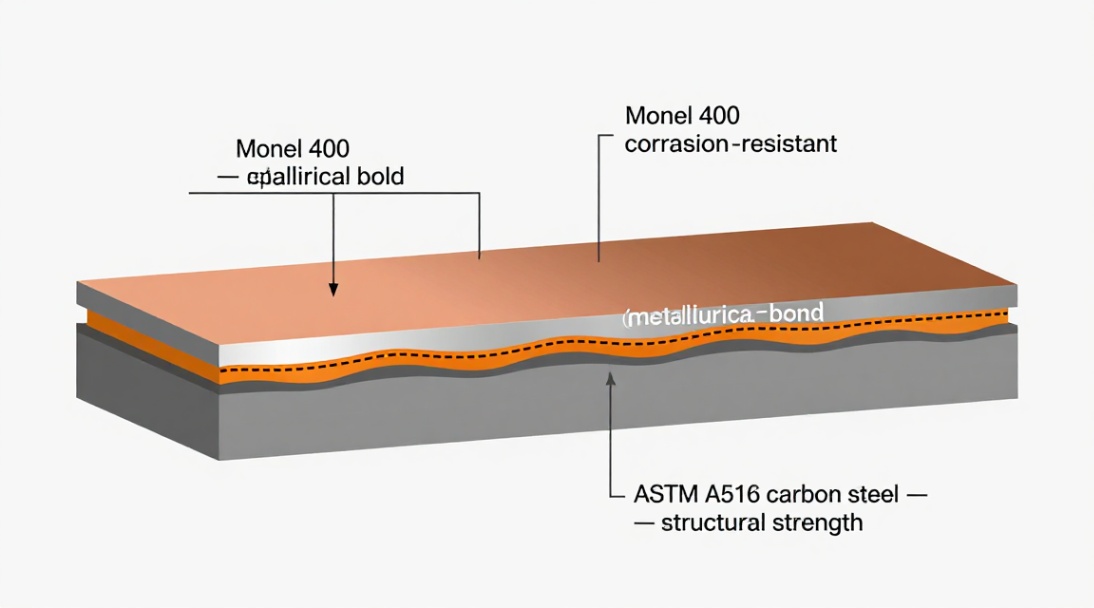
1. Understanding the Custom Roll Bonding Process
Roll bonding uses siab and heat to join two or more metal layers into a single solid strip. Tsis muaj tub lim hlau. No flux. Just clean metal surfaces pressed together under controlled conditions. For electrical contacts, this method creates a continuous metallurgical bond across the entire interface.
1.1 Why Roll Bonding Trumps Explosive Welding for Thin Strips
Many users on Reddit ask: “Why not just use explosive welding?” Here’s the truth. Explosive welding excels for thick plates (dhau 1 hli). But for thin strips—think 0.1 hli rau 0.8 mm total thickness—roll bonding wins. It gives you precise thickness control, consistent bond interface, and no risk of deformation from shock waves. For high-volume production of relay contacts or circuit breaker strips, roll bonding is the go-to method.
2. First Step: Material Selection and Surface Preparation
Your bond starts with surface preparation. This is not optional. It is the single most important step.
Step 1A: Choose your metal pair. Common combinations for custom yob daim ntawv khi for electrical contact bimetal strips include:
- Copper-steel: High conductivity (tooj liab) with spring strength and lower cost (hlau). Ideal for switchgear and automotive connectors.
- Copper-aluminum: Lightweight and cost-effective bus bars and terminals.
- Silver-copper or silver-alloy overlay: For low-resistance, high-cycling contacts in relays and contactors.
- Gold or palladium overlay: For corrosion-proof, low-voltage signal contacts in sensitive electronics.
Step 1B: Clean both surfaces thoroughly. Degrease with solvent. Then brush or grind to remove oxide layers. A freshly abraded surface achieves higher peel strength than an aged one. Work fast—oxidation begins within minutes.
3. Second Step: Stack Assembly and Pre-Heating
Now you assemble your bimetal stack. Place the contact layer (a, copper or silver alloy) on top of the base layer (x). Use a precisely cut sheet. Edge alignment matters.
Kauj ruam 2: Heat the stack. Roll bonding requires elevated temperature—typically between 300°C and 500°C for copper-steel, lower for aluminum-based stacks. Lub hom phiaj: soften both metals without melting. This allows plastic deformation during rolling, which breaks surface oxides and exposes virgin metal for bonding.
Control the atmosphere. Use a protective gas (nitrogen or argon) or a vacuum furnace to prevent re-oxidation during heating.
4. Third Step: Rolling to Achieve Bond and Final Thickness
This is the heart of the process. You run the heated stack through a rolling mill. The reduction ratio (how much you squeeze it) directly determines bond quality.
Kauj ruam 3: Roll with a reduction ratio of 40% to 60%. Lower ratios may not create enough interfacial shear to bond. Higher ratios risk excessive thinning or edge cracking. For thin strips (under 0.5 hli tag nrho thickness), a typical initial pass uses 50% txo.
Keep the roll speed moderate—too fast causes surface smearing. Too slow can let the metal cool and reduce bond strength. Monitor the exit temperature. It should stay above 200°C for copper-steel bonds.
5. Fourth Step: Post-Roll Annealing and Stress Relief
The strip is now bonded, but it’s work-hardened and possibly brittle. A controlled anneal restores ductility and stabilizes the bond.
Kauj ruam 4: Anneal at 300-450°C for 1-2 hours. This allows atomic diffusion across the bond interface, increasing interfacial shear strength and electrical continuity. For silver-copper stacks, lower temperature (250°C) prevents unwanted intermetallic formation.
Cool slowly or quench? Depends on the metals. For copper-steel, slow cooling in air works best. For aluminum-based strips, quench in water to avoid age-hardening.

6. Fifth Step: Quality Assurance Testing
You cannot ship a bimetal strip without verifying the bond. Nov yog yam uas txhua zaus tsim khoom yuav tsum muaj.
6.1 Kev kuaj tawv tawv
Txiav ib qho qauv 10 mm dav. Tshem cov txheej tawm hauv lub tshuab ntsuas tensile. Tsawg kawg txais tau lub zog tawv: 8 N/mm dav rau tooj liab-hlau txuas. Cov neeg siv Reddit ib txwm qhia tias kev kuaj tawv tsis ua tiav rov qab mus rau kev npaj nto tsis zoo lossis kev txo qis tsis txaus. Kho cov ntawd, thiab koj cov tawv nqaij yuav ua tau ruaj khov.
6.2 Shear Test
Push shear ib qho qauv (ASTM D1002 lossis sib npaug). Ib qho bond shear zoo ntawm > 80 MPa rau tooj liab-steel. Cov nqi qis dua qhia tau tias muaj partial delamination lossis oxide entrapment.
6.3 Ultrasonic Inspection
Scan tag nrho qhov dav ntawm strip nrog C-scan. Nrhiav cov cheeb tsam tsis sib txuas (cov ntsiab dawb ntawm daim duab). Tej unbonded cheeb tsam loj tshaj 2 mm diameter yog qhov tsis raug. Qhov kauj ruam no tsis tuaj yeem sib tham rau cov contact tseem ceeb hauv circuit breakers.
6.4 Kev ntsuas hluav taws xob resistivity
Ntsuas resistivity loj thoob plaws strip. Compare to calculated values from the rule of mixtures. A deviation of more than 5% indicates a poor bond interface or excessive intermetallic layer. For high-current contacts, keep resistivity below 2.0 µΩ·cm for copper-steel.
7. Customising Dimensions: Thickness ratio, Dav, and Coil Length
One size does not fit all. Custom roll bonding lets you define:
- Thickness ratio: Typical contact layer is 10-30% of total thickness. For precious metal overlays, keep it 5-15% to save cost.
- Dav: Standard mills handle strips from 10 hli rau 300 hli. Wider requires slitting after bonding.
- Coil length: Up to 500 meters for thin strips (0.1 hli). Perfect for automated stamping and assembly lines.
Pro ntsis: Order strip with a width that matches your stamping die to minimize waste. Many users on engineering forums mention that doing this cut raw material costs by 20%.
8. Cov Ntawv Thov: Where These Strips Shine
You will find custom-rolled bimetal strips in:
- Switchgear and circuit breakers: Silver-alloy on copper for arc-resistant contacts.
- Automotive relays and connectors: Copper on steel for corrosion resistance and spring force.
- Industrial contactors: Silver-cadmium oxide on copper for high-current switching.
- Consumer electronics: Gold-flashed copper for low-voltage signal integrity.
Why not use solid silver or gold? l. Cladding only the contact area reduces precious metal usage by 70-90% compared to solid contacts. A bimetal strip can save thousands of dollars per production run while meeting or exceeding electrical performance.
9. Why Bimetal Beats Riveted or Welded Contacts
Some engineers still specify riveted contact buttons. Here is why you should switch:
- Bond strength: Roll bonding produces a continuous metallic bond over the entire interface. A rivet only joins at the edges.
- Thickness uniformity: Rolled strip muaj ±0.005 mm tolerance. Rivets txawv ±0.05 mm.
- Corrosion kuj: Tsis muaj qhov tawg rau dej noo nkag. Roll bonding tshem tawm qhov sib txawv ntawm kev sib cuag thiab hlau hauv qab.
- Kev tswj cua sov: Kev sib txuas txuas txuas ntxiv coj cua sov tawm ntawm qhov chaw sib cuag tau zoo dua li kev sib txuas tshuab.
Ib tug neeg pab Reddit tau hais: “Peb hloov los ntawm riveted nyiaj sib txuas mus rau roll-bonded bimetal strips thiab txo qhov tsis lees txais los ntawm 60%.” Qhov ntawd yog hom txiaj ntsig tiag tiag uas koj tuaj yeem ua tau.
10. Koj Kauj Ruam Tom Ntej: Tsim Qauv Koj Daim Strip
Npaj sim custom roll bonding for electrical contact bimetal strips? Pib nrog kev khiav prototype. Muab koj cov khoom siv kom raug, Qhov tuab, thiab dav. Tham txog annealing cycles nrog koj tus neeg muab khoom. Yog koj xav xyuas qhov ruaj khov ntawm kev txuas, thov kev tshuaj xyuas ultrasonic thiab shear test ntaub ntawv nrog txhua coil.
If your current strip supplier cannot meet these quality steps, it may be time to evaluate alternatives. A reliable partner will walk you through each parameter above and provide test documentation. That is how you ensure your contacts perform reliably—year after year.
Tus neeg muag khoom
Metal Plate 4U is a trusted global metal composite panel supplier & manufacturer with extensive experience in providing super high-quality stainless steel, nickel alloy, tooj liab hlau, and titanium steel composite plates. The company exports to many countries, such as the USA, Canada, Europe, UAE, South Africa, etc. As a leading explosion bonded clad plate developer, Metal Plate 4U dominates the market. Our professional work team provides perfect solutions to help improve the efficiency of various industries, such as pressure vessels, Tshav kub exchangers, shipbuilding, thiab tshuaj lom neeg, tsim kom muaj nuj nqis, thiab yooj yim tiv nrog ntau yam kev sib tw. If you are looking for metal composite panels or bimetal clad plates, please feel free to contact us!